



 |
Glaucoma involves a group of eye diseases that damage the optic nerve. In many cases, glaucoma develops due to elevated intraocular pressure. However, glaucoma can also develop with normal eye pressure.
Glaucoma has been called the silent thief of sight. That’s because it typically does not cause symptoms until the disease has progressed. It first affects peripheral vision, which many people may not notice at first. But glaucoma can eventually progress and cause permanent vision loss. |
January is National Glaucoma Awareness Month. It is a time to raise awareness about glaucoma, including answering the most common glaucoma questions.
Who is most at risk for glaucoma?
Anyone can develop glaucoma. However, doctors have identified certain factors that increase your risk, such as:
- Being over age 60
- Having a family history of glaucoma
- Having diabetes, high blood pressure, or heart disease
- Using steroid medications long-term
Are there early symptoms of glaucoma?
In most cases, there are no early symptoms of glaucoma. When you think of a disease, you may assume you would have pain or obvious vision symptoms. But glaucoma does not cause eye pain or sudden vision changes. A symptom that often appears is peripheral vision loss. However, in the early stages, the brain compensates for this vision loss, so an individual may not even notice it.
How is glaucoma diagnosed?
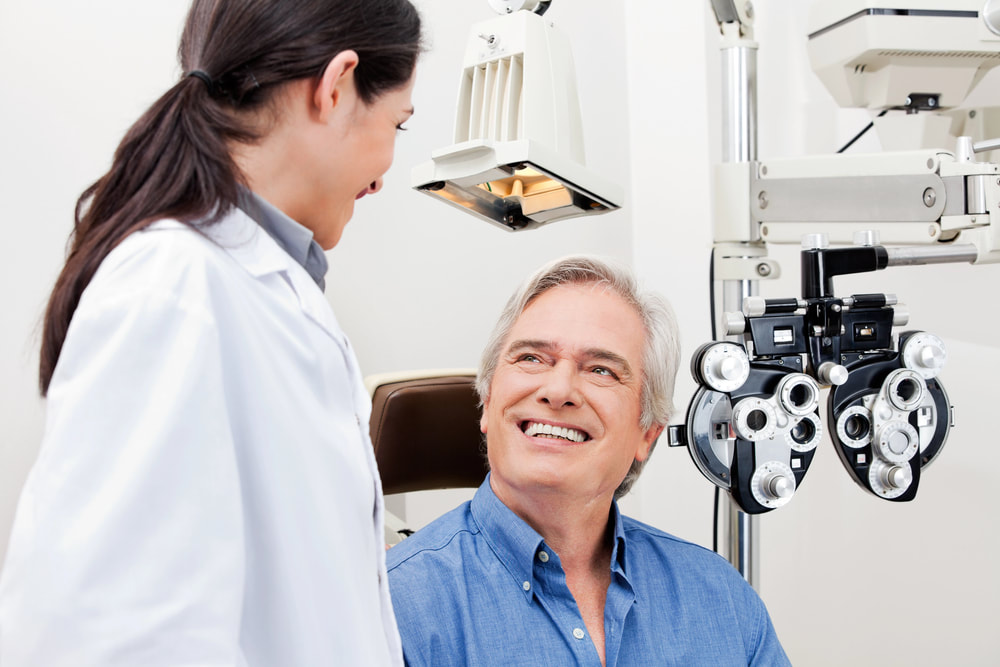
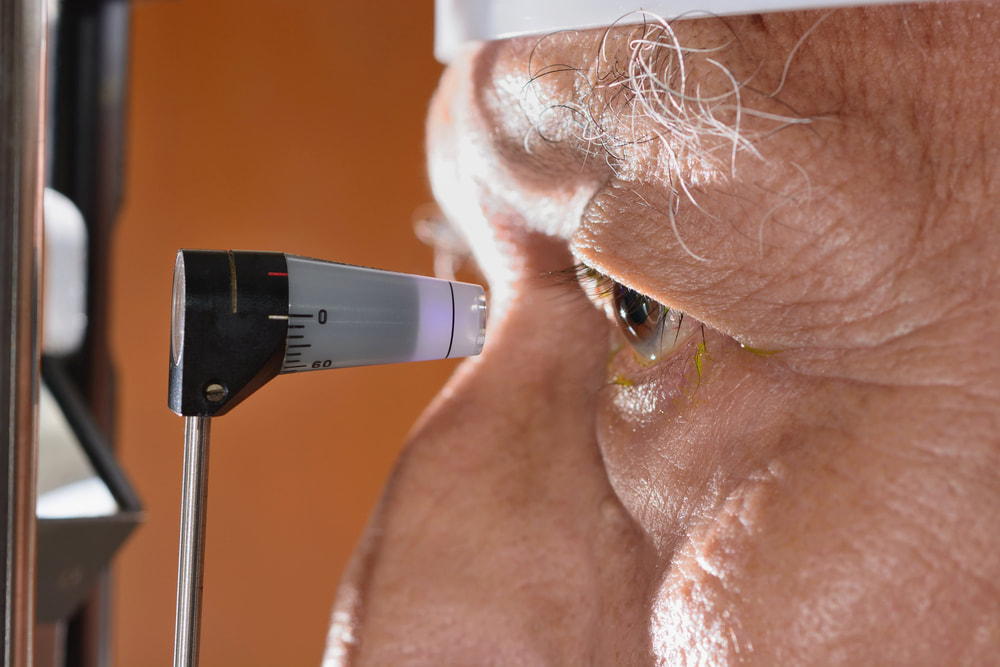
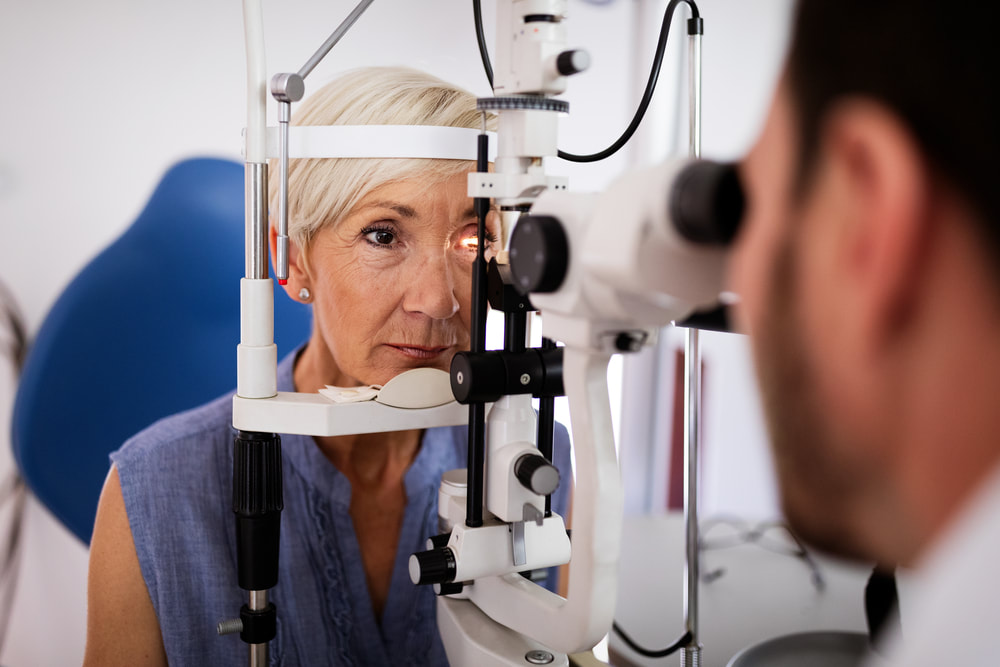
Doctors diagnose glaucoma by performing a comprehensive eye exam. During the exam, the doctor measures eye pressure and evaluates the optic nerve. These tests allow your eye doctor to detect subtle changes even before vision loss becomes noticeable.
Is glaucoma curable?
Currently, researchers have not found a cure for glaucoma. However, some treatments can effectively manage the condition and preserve the vision you still have. The key to maintaining vision is early diagnosis and proper treatment.
What happens if you do not get early treatment?
If you do not receive treatment for glaucoma, it can lead to progressive peripheral vision loss and eventually loss of central vision and blindness.
How does glaucoma impact daily life?
Glaucoma can have a significant impact on daily life, especially as the condition progresses. It can affect a person’s ability to navigate the world around them. It can negatively affect balance and increase the risk of a fall. Glaucoma can have adverse effects on independence, confidence, and overall mental well-being.
What are the treatments for glaucoma?
Treatment options may vary individually, but can include the following:
- Eye drops: Eye drops are used to lower eye pressure by improving drainage or reducing fluid production.
- Laser treatments: Laser procedures can also help reduce fluid production and improve fluid drainage and may be an option in some cases.
- Surgery: In instances where laser treatments are contraindicated and eye drops have not helped; surgical options may help control eye pressure.
Will glaucoma always cause blindness?
Glaucoma will not always lead to blindness. When the condition is detected early and properly managed, many people can maintain some vision for the rest of their lives. The degree of vision loss often depends on how long an individual went without treatment.
Can you prevent glaucoma?
You may not be able to prevent glaucoma. However, there are lifestyle habits that may reduce your risk, such as:
- Protect your eyes from eye injury by wearing appropriate eye protection for the activity you are doing.
- Avoid smoking.
- Manage chronic health conditions such as high blood pressure.
If you have any questions about glaucoma, we are happy to help. Also, if you would like to schedule an eye appointment with one of our eye doctors, please call our office at 508-746-8600.