



 |
When you think about vision and eye health, you may think about being able to read the eye chart or see 20/20. However, what may not be discussed very often is how vision problems can affect your everyday life or make you feel.
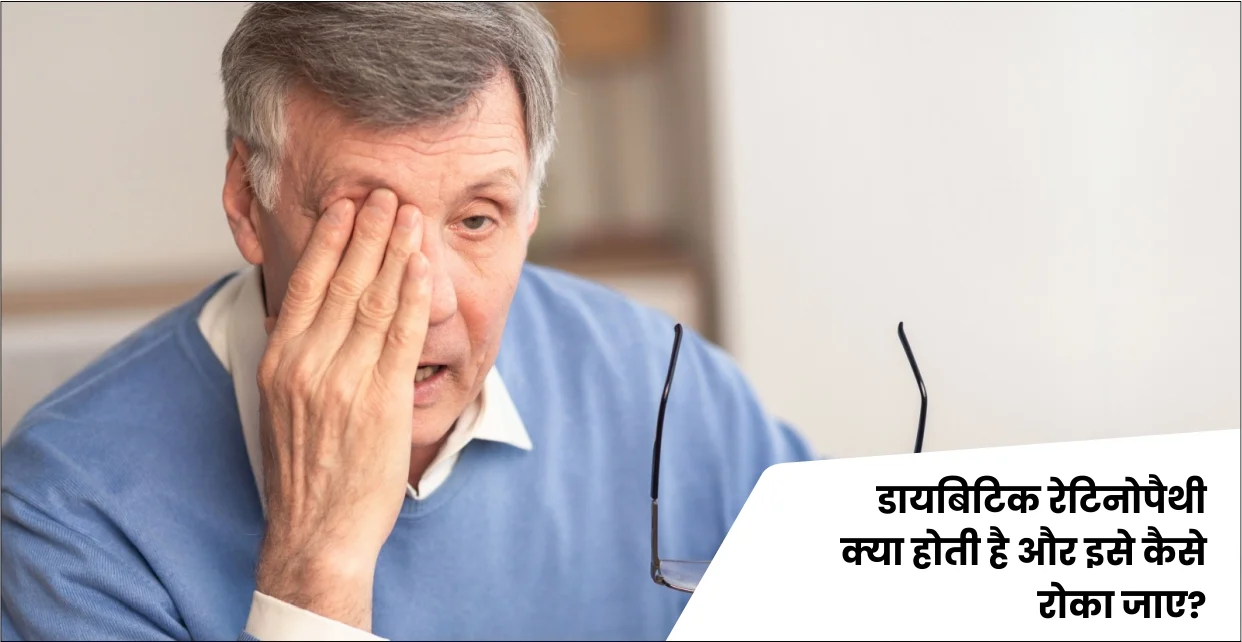
Vision changes, low vision, or vision loss do not just affect eyesight. Instead, vision changes can impact your independence, confidence, and emotional well-being. |
Changes in vision and your sense of control
If you develop vision issues, you may make changes without even realizing it at first. For example, you may stop reading, limit driving at night, or even skip activities you once enjoyed. Although these changes may seem small at first, over time they can shrink the world around you and negatively affect your overall quality of life.
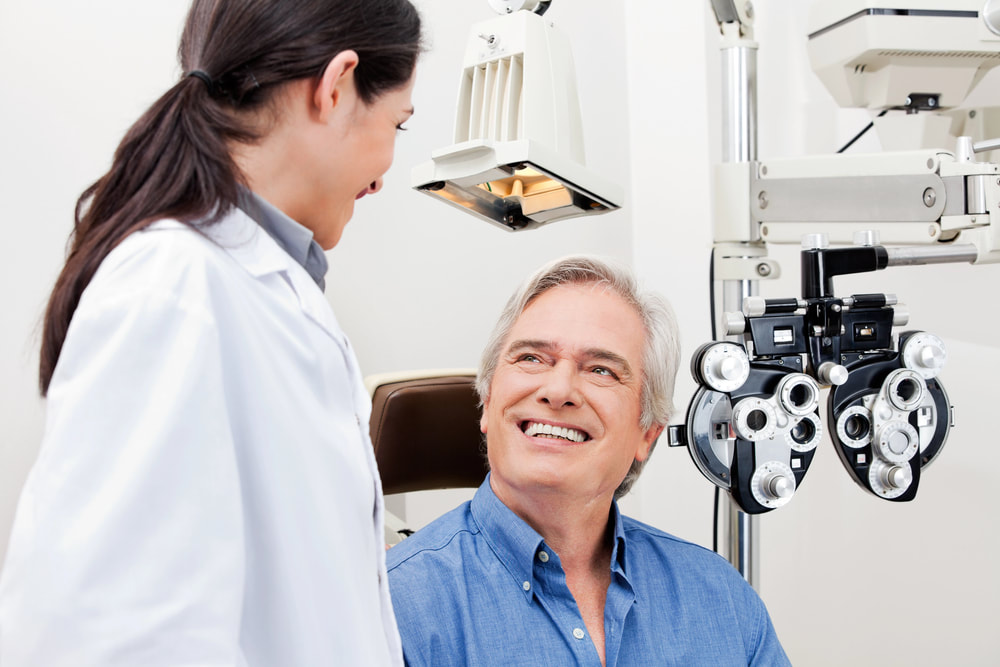
Getting regular eye care helps you feel a sense of control. Determining the cause of eye changes and learning ways to preserve vision in turn enable you to maintain autonomy.
The anxiety of not knowing
Even minor vision changes can lead to anxiety because of the unknown. You may wonder whether the condition will get worse or affect your ability to work or do everyday activities. It’s also common for patients to wonder whether vision changes are related to aging or something more serious.
Getting early comprehensive eye exams replaces the unknown with information. Understanding what vision changes are happening and why can be helpful. Gaining information does not change the condition, but once an eye disease is identified, you can develop a plan to reduce fear and help you regain a sense of stability.
Vision loss and emotional well-being
Problems with vision can make it more difficult to participate in hobbies and make social interactions more challenging. Over time, it’s common to isolate one’s self rather than to increase dependence on others.
Getting early eye care can help prevent social isolation and the downward spiral that can develop with vision problems. Seeking treatment and developing ways to cope with vision problems early increases the likelihood that an individual will remain engaged, active, and socially involved.
Vision problems are not just about your eyes. They affect how you live, how you connect with others, and how you feel about yourself. Getting regular comprehensive eye exams and preventative care not only protects your eyesight, but it may also help reduce anxiety, preserve independence, and support overall emotional and social well-being.
If you would like to schedule an eye appointment with one of our eye doctor, please call our office at 508-746-8600.