


When you reach for that familiar package of soft bathroom tissue in your local store, you might wonder about the origins of one of America’s most beloved household brands. Charmin toilet paper has been a staple in American homes since 1928, and understanding where this essential product comes from reveals a fascinating story of domestic manufacturing and quality control
The primary manufacturing locations of Charmin products
Charmin toilet paperdomestic manufacturing, which allows for better quality oversight and faster distribution to retailers nationwide. This approach also supports American jobs and reduces the environmental impact associated with international shipping.
The main production facilities include plants in Mehoopany, Pennsylvania, and Cape Girardeau, Missouri. These state-of-the-art manufacturing centers employ thousands of workers and utilize advanced technology to produce the various Charmin products that consumers know and trust. The Mehoopany facility, located in northeastern Pennsylvania, represents one of the largest tissue manufacturing operations in North America. This plant has been producing bathroom tissue for decades and continues to expand its capabilities to meet growing consumer demand.
Charmin’s production capacity. These facilities work in coordination to ensure consistent product quality across all distribution channels. The strategic placement of these plants across different regions allows the company to optimize shipping routes and reduce delivery times to various markets. Each facility adheres to strict quality standards and environmental regulations, utilizing sustainable practices wherever possible in the manufacturing process.
The manufacturing process behind your favorite bathroom tissue
The production of Charmin toilet paper involves a sophisticated multi-stage process that transforms raw materials into the soft, absorbent product consumers expect. The journey begins with virgin wood pulp
Once the wood pulp arrives at the manufacturing facility, it undergoes several processing stages :
- The pulp is mixed with water to create a slurry consistency
- This mixture is spread onto large wire screens where water drains away
- The resulting paper sheet passes through heated rollers that dry and compress the material
- Multiple layers are combined to create the desired thickness and softness
- The paper is embossed with Charmin’s distinctive pattern
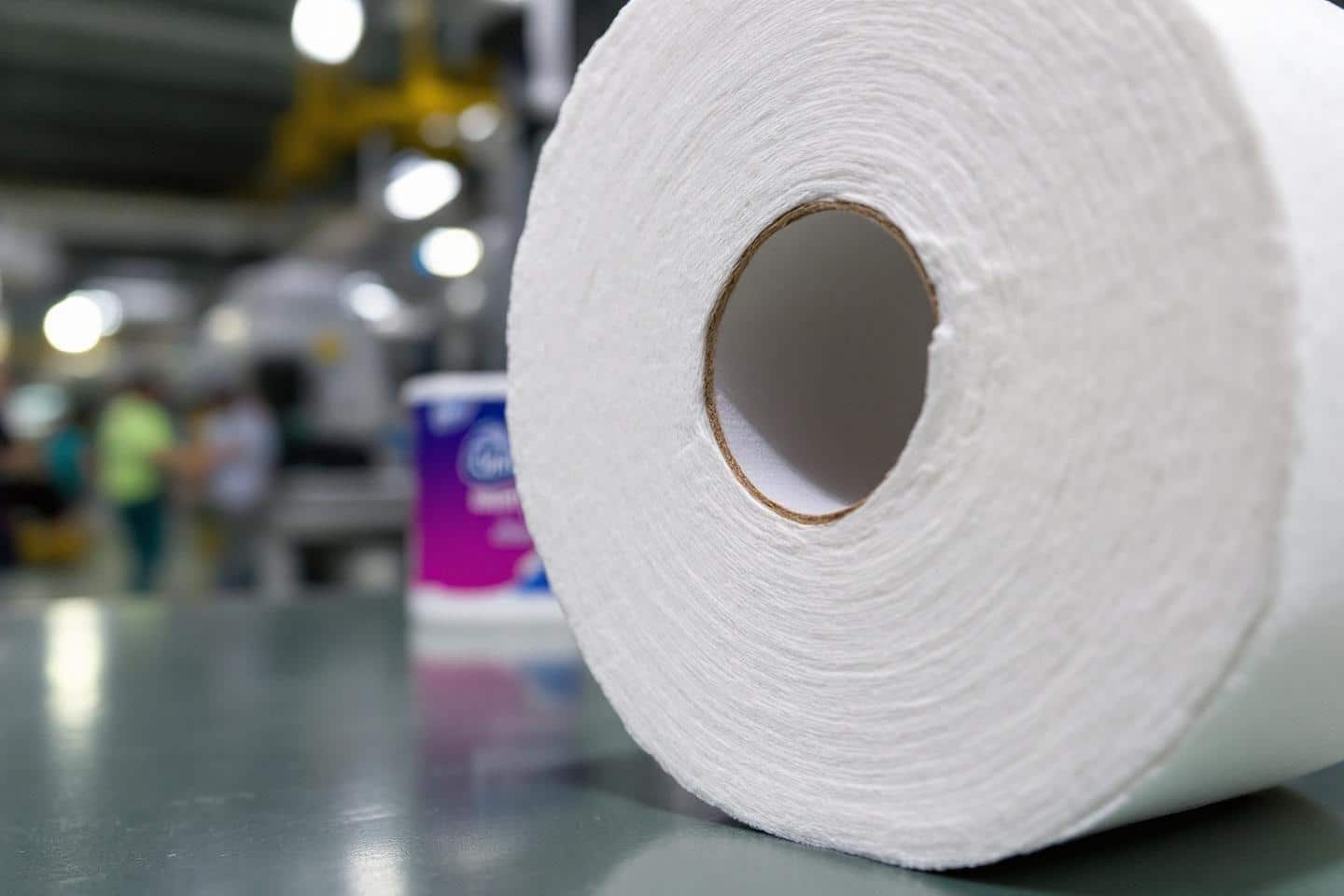
- Finally, the continuous sheet is cut and rolled onto cardboard tubes
The embossing process is particularly important for Charmin’s signature texture, as it creates the cushiony feel that distinguishes the brand from competitors. Advanced machinery applies precise pressure patterns that enhance both softness and strength. Quality control specialists monitor every stage of production, testing samples regularly to ensure consistency in thickness, absorbency, and tear resistance. This rigorous attention to detail explains why Charmin maintains its reputation for reliability and comfort across all product variations, including Ultra Soft, Ultra Strong, and Essentials lines.
Supply chain and distribution across North America
After production, Charmin toilet paperlogistics system tracks product movement from factory floors to consumer homes, optimizing routes to minimize transportation costs and environmental impact.
The distribution process involves partnerships with major retailers, including supermarket chains, mass merchandisers, warehouse clubs, and online platforms. Regional distribution hubs receive large shipments directly from manufacturing plants, then break down these bulk orders into smaller quantities for individual stores. This hub-and-spoke model allows for flexibility in meeting varying demand levels across different markets. During peak shopping periods or unexpected demand surges, the system can quickly redirect inventory to areas experiencing shortages.
Charmin products to international markets, though the brand primarily focuses on North American consumers. The company’s manufacturing strategy prioritizes domestic production to maintain quality control and support the American economy. This commitment to local manufacturing has become increasingly important to consumers who value products made in the USA, and it serves as a key differentiator in the competitive bathroom tissue market. The proximity of production facilities to end consumers also reduces the carbon footprint associated with long-distance transportation, aligning with growing environmental consciousness among shoppers.