



[ad_1]
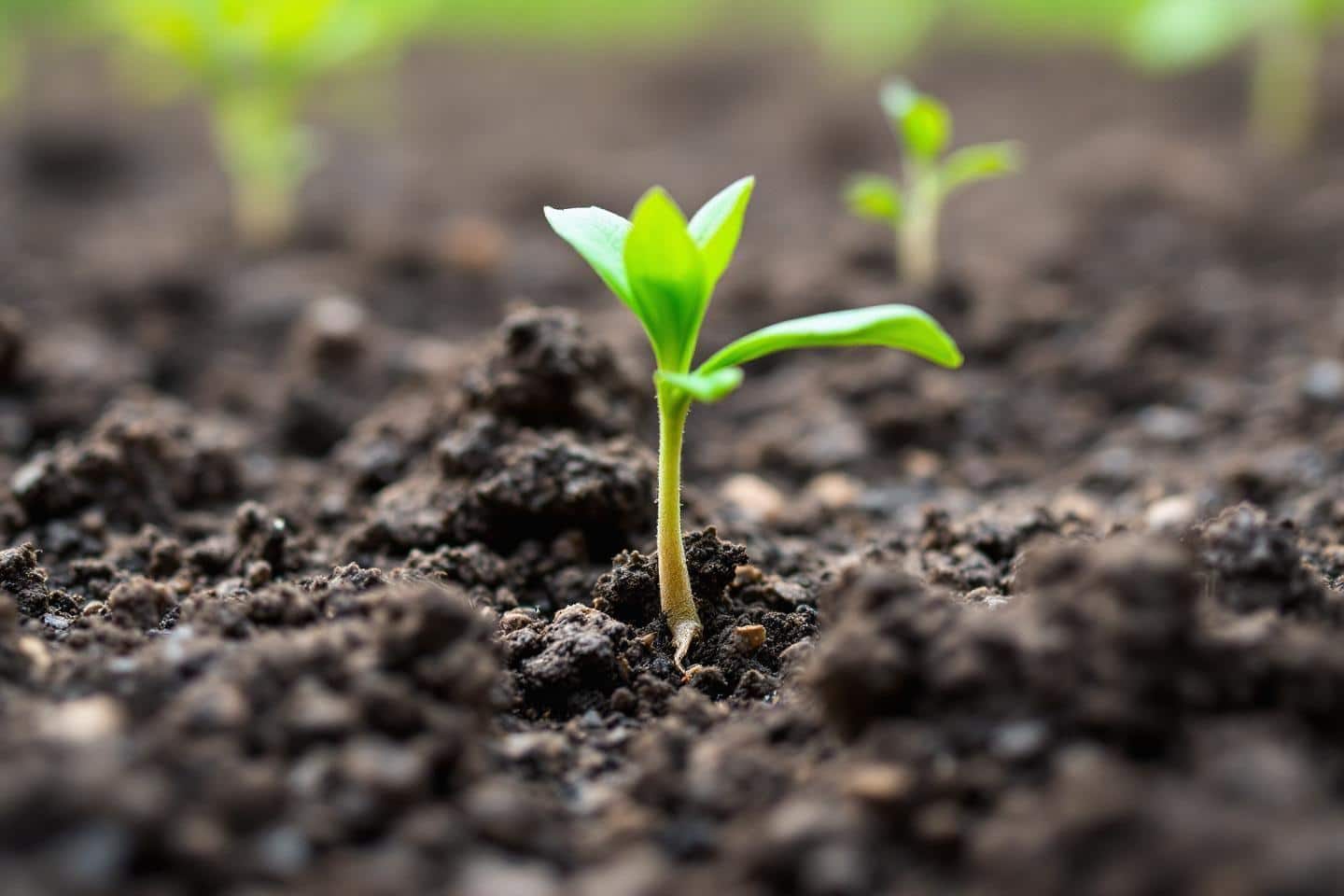
Seed germination represents the fundamental awakening of plant life, marking the transformation from dormant seed to vigorous seedling. This biological phenomenon initiates when environmental conditions align perfectly, triggering metabolic processes that have remained suspended within the seed coat. Understanding this remarkable process empowers gardeners and farmers to optimize their planting strategies and maximize crop success rates throughout the growing season.
The biological mechanisms behind seed sprouting
The germination process begins when a viable seed encounters adequate moisture, appropriate temperature ranges, and sufficient oxygen availability. Water absorption through the seed coat activates enzymes that break down stored nutrients, primarily starches and proteins, converting them into simpler compounds that fuel embryonic growth. This phase, called imbibition, causes the seed to swell significantly as cellular activity resumes after dormancy periods that may span months or years.
Within the seed structure, the embryo contains all genetic instructions necessary for developing a complete plant. The radicle, or embryonic root, emerges first through the softened seed coat, establishing downward growth to anchor the seedling and access water sources. Shortly afterward, the hypocotyl pushes upward, carrying either the cotyledons or the shoot apex toward light sources. Different plant species exhibit distinct germination patterns : epigeal germination lifts cotyledons above soil level, while hypogeal germination keeps them underground as food reserves.
Temperature profoundly influences germination rates and success percentages across species. Cool-season vegetables like lettuce and spinach prefer soil temperatures between 40-70°F, whereas warm-season crops such as tomatoes require 60-85°F for optimal sprouting. Light requirements vary significantly among different plant families, with some seeds demanding complete darkness while others need light exposure to initiate germination processes.
Environmental factors controlling seed awakening
Moisture availability serves as the primary trigger for breaking seed dormancy, but excessive water creates anaerobic conditions that suffocate developing embryos. The ideal moisture level maintains consistent dampness without waterlogging, allowing oxygen molecules to reach the seed interior where cellular respiration occurs. Professional growers often use moisture meters to maintain optimal hydration levels throughout germination periods, particularly for valuable or temperamental species.
Oxygen requirements increase dramatically as metabolic activity intensifies during germination. Seeds planted too deeply struggle to access sufficient oxygen, resulting in weak emergence or complete germination failure. Soil structure and composition directly impact oxygen availability, with loose, well-aerated growing mediums supporting healthier germination rates than compacted substrates. Adding organic amendments like coffee grounds can improve soil structure; gardeners often wonder how these amendments benefit specific crops and whether fruit trees respond positively to such soil modifications.
Light sensitivity varies dramatically across plant families and species. Some seeds contain photoreceptor proteins called phytochromes that detect red and far-red light wavelengths, using this information to determine whether conditions favor successful establishment. Lettuce seeds require light exposure for germination, while tomato and pepper seeds remain indifferent to illumination levels. Understanding these requirements prevents common planting mistakes that compromise germination success rates in both commercial and home garden settings.
Critical stages from dormancy to seedling establishment
The germination timeline unfolds through three distinct phases, each characterized by specific physiological changes and resource demands. Phase one involves rapid water uptake, rehydrating cellular structures and activating enzyme systems. Phase two represents a metabolic plateau where respiration rates stabilize and reserve mobilization proceeds steadily. Phase three witnesses explosive growth as the radicle breaks through surrounding tissues, officially completing the germination process.
Successful emergence depends on several interconnected factors beyond initial sprouting :
- Adequate nutrient reserves within the seed structure to fuel initial growth
- Appropriate planting depth allowing seedlings to reach surface light
- Protection from soil crusting that physically blocks seedling emergence
- Freedom from pathogenic organisms that attack vulnerable young tissues
- Consistent environmental conditions preventing premature dormancy reentry
Seedling vigor reflects the combined outcome of genetic potential and environmental optimization. Strong seedlings establish rapidly, developing extensive root systems and photosynthetic capacity that ensures competitive advantage over slower-emerging neighbors. Planning crop rotations and selecting appropriate companion plants contributes significantly to overall garden productivity and plant health throughout the growing season.
Practical applications for successful plant propagation
Understanding germination biology enables gardeners to troubleshoot common problems and implement solutions that dramatically improve success rates. Pre-soaking hard-coated seeds accelerates water absorption, reducing germination time from weeks to days for species like morning glories and sweet peas. Scarification techniques, including mechanical abrasion or chemical treatment, weaken impermeable seed coats that otherwise prevent water penetration and oxygen exchange.
Stratification mimics natural winter conditions, satisfying dormancy requirements for seeds adapted to temperate climates. Cold stratification involves exposing seeds to moist, refrigerated conditions for specified durations, typically ranging from two to twelve weeks depending on species. Warm stratification serves similar purposes for seeds requiring summer heat cycles before autumn germination. Timing these treatments correctly becomes particularly important for spring-flowering bulbs; knowing when to plant tulip bulbs ensures spectacular displays when warmer weather arrives.
Germination testing allows gardeners to assess seed viability before committing resources to full-scale planting operations. Simple paper towel tests provide reliable germination percentage data within days, informing planting density decisions and preventing disappointment from poor stands. Fresh seeds typically germinate at rates exceeding eighty percent, while older seeds show declining viability that necessitates higher seeding rates or complete replacement of degraded stock materials.
[ad_2]
Source link