



Good morning, everyone, and welcome to the middle of the week. Congratulations on making it this far and remember there are only a few more days until the weekend arrives. So keep plugging away. After all, what are the alternatives? While you ponder the possibilities, we invite you to join us for a delightful cup of stimulation. Our choice today is honey almond crunch. Please feel free to join us or, if you prefer, grab a bottle of water. Meanwhile, here is the latest menu of tidbits to help you on your way. Have a wonderful day, and please do stay in touch. …
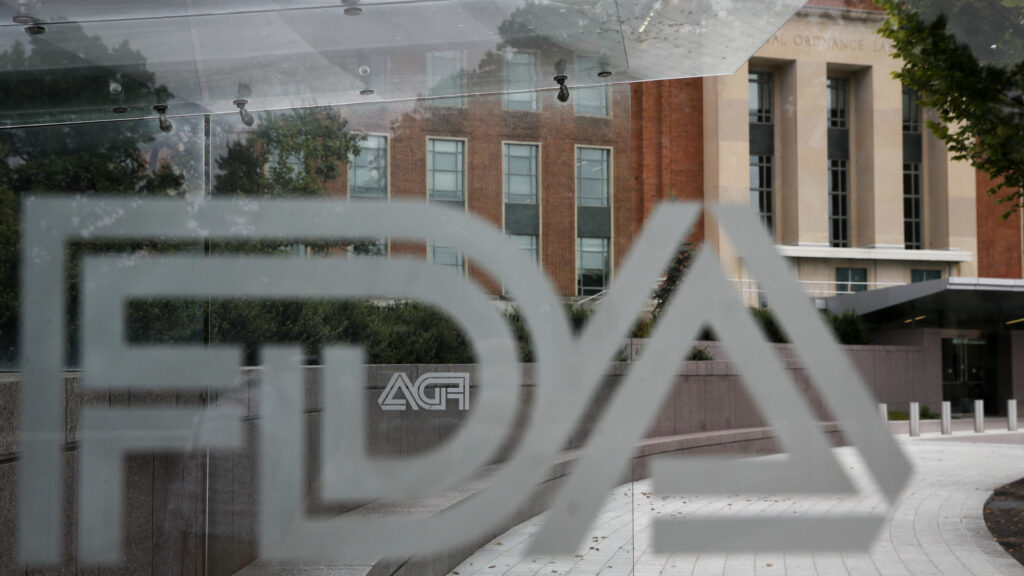
Richard Pazdur, the top drug official at the U.S. Food and Drug Administration, has filed papers to retire at the end of this month, adding to the turmoil atop the agency, STAT reports. Pazdur informed leaders at the FDA Center for Drug Evaluation and Research of his intention to leave the agency at a meeting on Tuesday. The move comes less than a month after he assumed the role of top drug regulator at the urging of FDA Commissioner Marty Makary. Pazdur is the fourth person to lead CDER this year. The previous director, George Tidmarsh, left the agency in November amid allegations that he used his position to advance a personal vendetta against a business associate, and amid conflict with Center for Biologics Evaluation and Research Director Vinay Prasad.
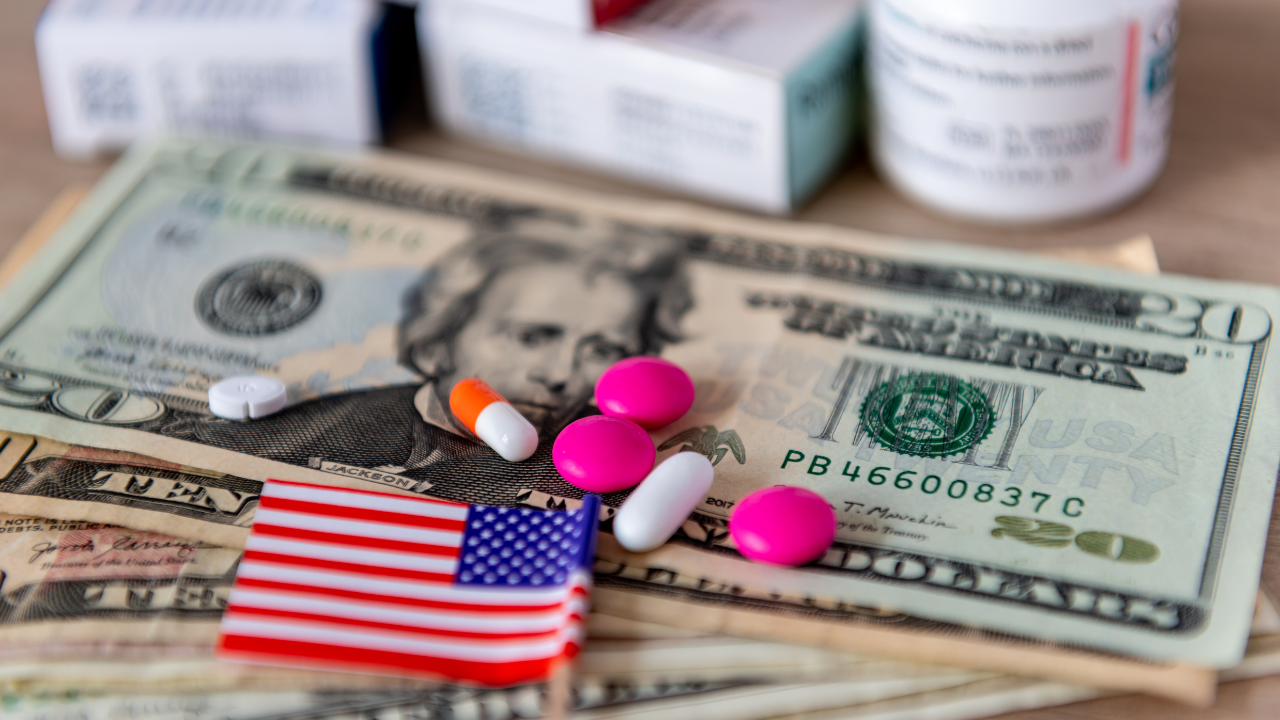
Lobbyists for some of the world’s largest drug companies are parading a new pricing deal in the U.K. as a model the rest of Europe should emulate if it wants to keep drugmakers from bailing for the U.S., Politico reports. Lobbyists for drug companies are pounding the point home. Dorothee Brakmann, general manager of Pharma Deutschland, Germany’s industry lobby, warned that if Germany did not pursue a similar path to the U.K., Trump’s tariffs presented a “real geopolitical risk.” The U.S. and the U.K. announced a deal this week to secure zero tariffs on U.K. pharmaceutical products and medical technology in return for increased U.K. spending on medicines and overhauling how it values drugs. U.S. President Donald Trump has pressed Britain and the rest of Europe to pay more for American medicines, part of his push for U.S. medicine costs to be brought more in line with those paid in other wealthy nations.


This article is exclusive to STAT+ subscribers
Unlock this article — plus in-depth analysis, newsletters, premium events, and news alerts.
Already have an account? Log in