


Bad cholesterol (LDL) and good cholesterol (HDL) play many roles in the
body (even influencing each other), and to perform these roles, they
rely on special receptors that transport them from the bloodstream into
cells, which is necessary for them to do their job. Estrogen is a
hormone that helps LDL receptors function efficiently, and when estrogen
levels drop due to menopause, these receptors work much less
effectively, allowing high LDL levels to remain in the bloodstream.
At the same time, HDL levels decrease as
estrogen levels decline. HDL’s role is to transport excess cholesterol
from the blood and body back to the liver. A decrease in HDL levels,
which sometimes occurs during menopause due to the drop in estrogen,
makes it harder for the body to get rid of excess cholesterol – and
therefore, LDL levels may remain higher for longer.
During menopause, a phenomenon called “muscle wasting” also occurs, and
this is another issue that affects cholesterol levels. Muscles help the
body use glucose (blood sugar) and fats, and as muscle mass decreases,
the body becomes less able to manage blood sugar and fat levels, leading
to impaired HDL function and higher LDL levels.
Additionally, many women struggle to maintain a healthy weight during
menopause, and excess weight can affect cholesterol levels because it
leads to insulin resistance. When the body develops insulin resistance,
it requires more insulin to regulate blood sugar levels, which results
in an increase in LDL and fat levels.
What Changes Should Be Made to Prevent
Cholesterol Increase?
There are things you cannot change on your own right now, such as the
decline in estrogen levels, but there are some things you can control,
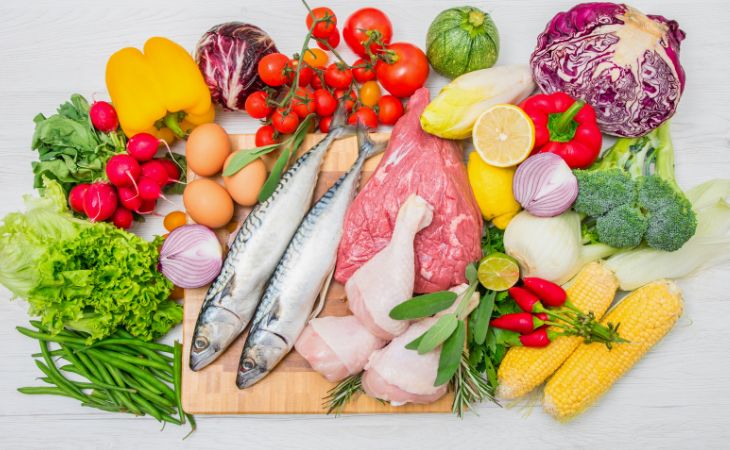
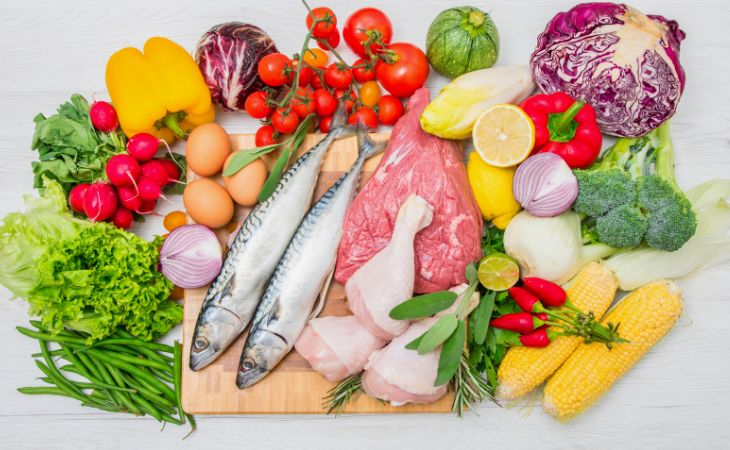
like your diet. In general, a Mediterranean diet is recommended, as well
as avoiding processed foods and those high in sugar. You should consume
more fiber, omega-3 fatty acids, antioxidants, and plant sterols, and
here are some sources for these that are recommended to include in your
diet:
Beans and legumes
Green leafy vegetables
Fruits
Nuts and seeds
Whole grains
Fatty fish like salmon and tuna
In particular, it appears that consuming
more mangoes is recommended, as a new study published in 2025 found that
two servings of mangoes a day help maintain heart health during
menopause. At the same time, you should ensure you engage in at least
150 minutes of aerobic activity per week and strength training 2-3 times
a week, as well as learn how to manage stress levels, quit smoking, and
reduce alcohol consumption.
Are There Treatments That Help Reduce
Cholesterol During Menopause?
In addition to the changes we recommended, you should consult a doctor
to understand whether any medical treatment is needed to manage
cholesterol levels. They may recommend statins, which are the most
common medication for treating cholesterol and help slow its production
in the body and remove it through the liver. Additionally, there are
other medications your doctor might suggest, such as cholesterol
absorption inhibitors, PCSK9 inhibitors, fibrates, and more.
There are also hormonal treatments that help alleviate other menopausal
symptoms, and they have some effect on cholesterol levels, though
minimal. Furthermore, it may be recommended to start taking certain
dietary supplements, such as:
Plant sterols: These are natural compounds
found in plants that reduce cholesterol levels, but they may cause
diarrhea, so it’s important to be aware of this.
Berberine: This is a natural compound found in plants that reduces LDL
and triglyceride levels, but it may also cause diarrhea and even
vomiting.
Ground flaxseed: May reduce LDL levels and provide the body with fiber
and omega-3.
In Summary
Menopause brings with it unpleasant symptoms and dangers to heart and
blood vessel health. One of the critical factors is cholesterol, whose
levels rise due to various phenomena associated with menopause, making
it important to know how to reduce them. The key lies in proper
nutrition, with an emphasis on a Mediterranean diet, and physical
activity, but lifestyle changes alone are not enough to fully address
the issue.
You should consult your doctor for appropriate treatment to manage the
rising cholesterol levels in your body, and the fact that you’ve become
aware of this is already the first and most important step. So, share
this article with your friends who are going through menopause so they
too can learn about the danger and what they need to do now to avoid it.
This could truly save their lives.