




January 08, 2026
1 min read

Key takeaways:
- SMILE provided predictable correction for against-the-rule and oblique astigmatism.
- Eyes with against-the-rule astigmatism had systematic undercorrection.
SMILE helped some patients with interocular astigmatic axis discordance achieve predictable correction, according to a study in Journal of Refractive Surgery.
Manrong Yu, MD, PhD, of Fudan University, Shanghai, and colleagues wrote that previous studies have revealed differing levels of success with SMILE based on type of astigmatism.

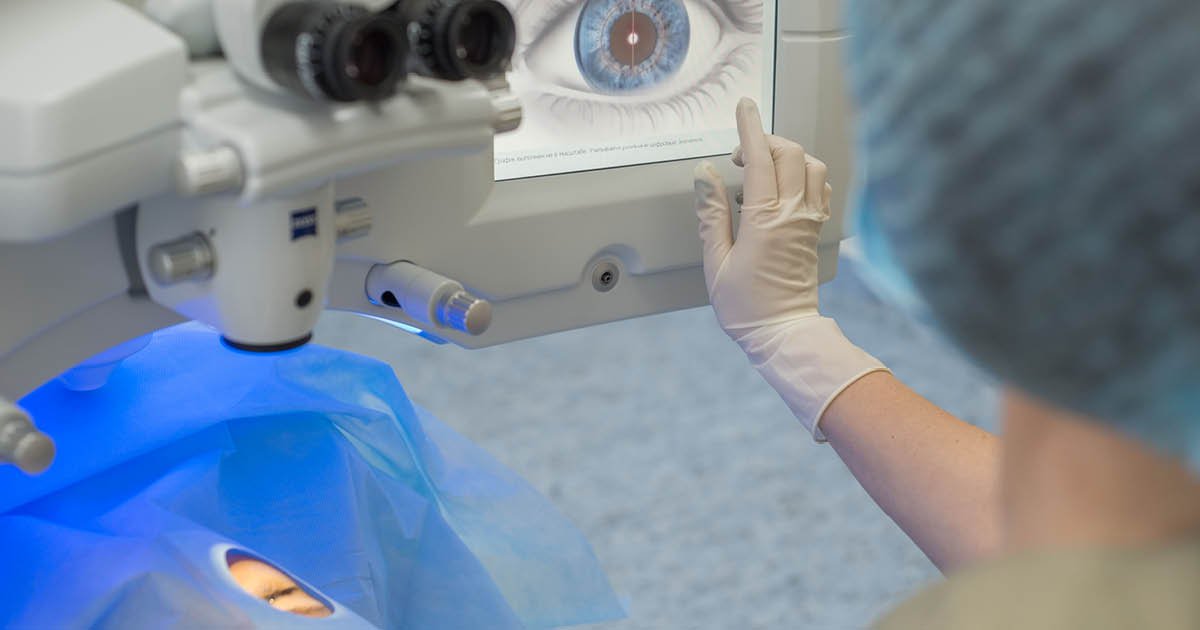
SMILE helped some patients with interocular astigmatic axis discordance achieve predictable correction. Image: Adobe Stock
“By comparing the visual outcomes and vector analysis in both eyes of the same patient, this study seeks to provide insights into the predictability and efficacy of SMILE for various astigmatic conditions,” they wrote. “The findings may contribute to the development of optimized surgical strategies and nomograms for astigmatism correction in SMILE procedures.”
In this self-controlled study, Yu and colleagues stratified 75 patients into three groups based on interocular astigmatic axis discordance. Nineteen patients had with-the-rule (WTR) astigmatism/against-the-rule (ATR) astigmatism, 39 had WTR/oblique astigmatism (OA), and 17 had ATR/OA. They analyzed refractive outcomes, corneal topography and corneal wavefront aberrations preoperatively, 1 month after surgery and 6 months after surgery.
There were no significant differences in visual acuity, sphere or cylinder between axis among the groups at 6 months. However, 84% of ATR eyes and 64% of OA eyes had postoperative astigmatism of 0.25 D or less compared with 47% and 38% of the contralateral WTR eyes, according to the study.
“Vector analysis revealed a systematic undercorrect of correction indices in WTR eyes and a full correction in non-WTR eyes,” the study said.
“This comparative intra-individual analysis revealed a predicable astigmatic correction of SMILE for ATR and OA vs. WTR, evidenced by more favorable [correction indices] and reduced residual astigmatism,” Yu and colleagues wrote. “Our findings underscore the axis dependence in SMILE efficacy.”

Ask a clinical question and tap into Healio AI’s knowledge base.
- PubMed, enrolling/recruiting trials, guidelines
- Clinical Guidance, Healio CME, FDA news
- Healio’s exclusive daily news coverage of clinical data