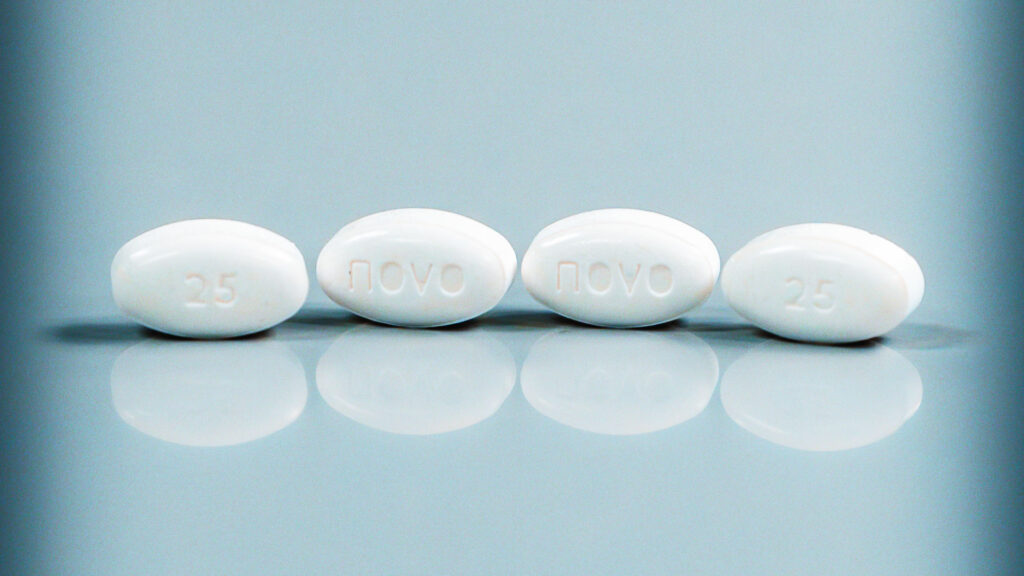




Early access to new drugs is often framed as compassionate and patient-centered, but it can backfire. Without solid evidence, patients may be exposed to unknown risks, driven by hype rather than data, and pushed into decisions that prioritize speed, profits, or novelty over real benefit. In some cases, early access doesn’t accelerate better care — it undermines it. True patient-first medicine isn’t about getting drugs to market faster; it’s about getting the right drugs to the right patients with confidence they actually help.
“Early access” to new drugs appears to be an obviously good thing.
Who wouldn’t want patients to get promising treatments sooner — especially when they’re dealing with serious, life-altering, or life-threatening conditions?
But as with many things in healthcare, what sounds compassionate in theory can be problematic in practice. In some cases, early access doesn’t just fail to help patients — it can actively hurt them.
That’s not because doctors, regulators, or drug developers are malicious. It’s because early access programs often collide with three uncomfortable realities: incomplete evidence, distorted incentives, and human behavior.
1. “Promising” doesn’t mean “proven.”
Early access typically means that patients receive a drug before large-scale clinical trials are complete or before long-term safety data are available.
At that stage, we often don’t really know:
- How effective the drug is compared to existing treatments
- Which patients benefit — and which don’t
- What rare or delayed side effects might emerge
- How the drug performs outside tightly controlled trial settings
History is replete with examples in which early enthusiasm faded once broader data emerged. Drugs that looked safe in small trials later revealed serious risks when used by millions of real people with complex medical histories.
From a patient perspective, early access can turn people into de facto test subjects — without the protections, controls, and transparency of formal trials.
That’s not empowerment. That’s uncertainty marketed as hope.
2. Early access can crowd out better decisions
When a new drug becomes available early, it can distort decision-making.
Doctors may feel pressure — from patients, from peers, or from marketing — to prescribe “the new thing,” even when existing therapies are safer, cheaper, or equally effective.
Patients may assume that “new” means “better,” or that early access implies endorsement — when in reality it often means “we don’t know yet.”
That can lead to:
- Patients abandoning stable treatments that are working
- Patients are taking on unnecessary risks
- Healthcare systems pay premium prices for uncertain benefits
Instead of improving care, early access can shift focus away from thoughtful, evidence-based medicine toward novelty-driven medicine.
3. The incentives don’t always align with patient welfare
Pharmaceutical companies understandably want faster pathways to market. Investors reward speed. Stock prices reward momentum. Marketing rewards “first.”
None of that is inherently evil — but it does mean that the push for early access is not purely about patients.
Once a drug is on the market, even in limited form, it starts building:
- Brand recognition
- Prescribing habits
- Patient demand
- Political and emotional resistance to later pullbacks
That makes it much harder to reverse course if safety concerns appear later.
We’ve seen this dynamic before. Once a treatment becomes embedded in practice and culture, pulling it back feels like taking something away — even if the evidence says it shouldn’t have been there in the first place.
4. False hope can be its own form of harm
For patients with serious illness, hope is not a small thing. It’s emotional oxygen.
But when early access is framed as a breakthrough before the evidence exists, it can create expectations that reality cannot meet.
That can lead to:
- Emotional whiplash when the drug doesn’t work
- Financial stress from high out-of-pocket costs
- Loss of trust in the healthcare system when promises don’t materialize
In that sense, early access can harm patients not just medically, but psychologically and financially.
None of this means we should slow innovation
This is not an argument against faster research, better trials, or smarter regulation.
It’s an argument against confusing speed with progress.
Real progress in medicine is not about how quickly a drug reaches a patient. It’s about how confidently we can say it helps more than it harms — and who exactly it helps.
Sometimes the most patient-centered thing we can do is wait until we actually know.