




We often reach for plastic containers without thinking twice, yet certain items simply don’t belong in these seemingly convenient storage solutions. While polyethylene boxes became household staples after World War II, particularly through brands that revolutionized kitchen organization, these everyday items harbor hidden risks that many people overlook. Understanding which foods and objects should avoid plastic storage can protect both your health and your belongings from unnecessary damage.
Why acidic foods damage plastic containers
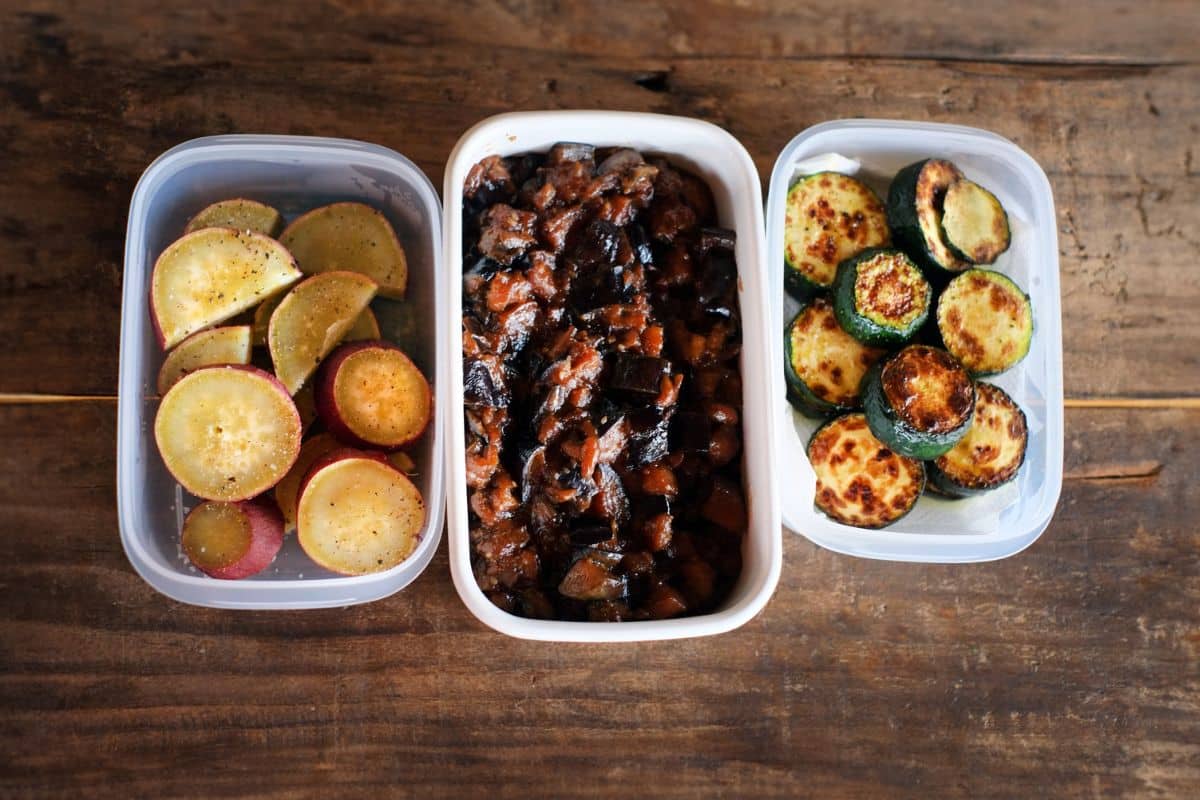
Tomato-based sauces and curry dishes represent the worst culprits when it comes to plastic storage. Their high acidity level attacks the container material, creating microscopic scratches where bacteria thrive. Beyond the health concerns, these acidic preparations leave persistent stains and odors that never fully disappear, no matter how thoroughly you scrub them.
The chemical reaction between acids and plastic creates a permanent bond that transfers flavors to subsequently stored foods. Your leftover bolognese might taste fine today, but tomorrow’s fruit salad could carry unwanted tomato undertones. This cross-contamination extends beyond taste, as the degraded plastic surface becomes increasingly porous. When preparing meals with ingredients like tomatoes, consider glass alternatives that resist acidic damage entirely. Just as proper storage extends how long chili stays fresh, choosing the right container material prevents flavor corruption and maintains food quality for longer periods.
Garlic and onions similarly penetrate plastic with their volatile sulfur compounds, creating odors that linger indefinitely. These aromatic vegetables release oils that the plastic absorbs like a sponge, making the container unsuitable for other uses. The molecular structure of polyethylene allows these compounds to bond deeply within the material, resisting even the strongest detergents.
Temperature and chemical release concerns
Placing hot dishes directly into plastic containers triggers a dangerous chemical reaction that many households unknowingly risk daily. Elevated temperatures cause plastic to release compounds that migrate into your food, particularly concerning with fatty or oily preparations. These substances absorb chemicals more readily than water-based foods, creating a concentrated contamination that affects both taste and safety.
The liberation of these molecules occurs invisibly, without any warning signs or obvious changes to the container’s appearance. Low-quality plastic poses even greater risks, as manufacturing shortcuts often result in unstable polymers that break down easily under heat stress. Whether reheating leftovers or storing freshly cooked meals, allowing food to cool completely before transferring protects you from these harmful exposures. Similar to understanding when household products lose effectiveness, recognizing plastic degradation signs helps prevent unwanted chemical exposure in your kitchen.
Raw meat requires particular attention, as storing it in plastic encourages cross-contamination between different food groups. The porous nature of scratched or worn containers creates bacterial breeding grounds where pathogens multiply rapidly. These microscopic organisms spread through the smallest imperfections, contaminating everything the container later touches. Glass or stainless steel options eliminate this risk entirely, offering non-porous surfaces that bacteria cannot penetrate. When working with tropical ingredients like those explored in guides about opening fresh coconuts, proper storage becomes equally crucial for maintaining freshness without chemical interference.
Fresh produce and moisture problems
Fresh herbs wilt disappointingly fast when sealed inside plastic containers, despite our best intentions to preserve their vibrant appearance. The lack of air circulation creates a humid microclimate that accelerates decomposition rather than preventing it. Condensation forms on container walls, dripping back onto delicate leaves and promoting premature decay. Fruits face similar challenges, as trapped moisture encourages mold growth and softens textures that should remain crisp.
The sealed environment that seems protective actually works against produce’s natural respiration needs. These living foods continue metabolic processes after harvest, requiring adequate oxygen exchange that plastic prevents. Vegetables like asparagus benefit from specific storage methods that respect their biological requirements rather than fighting against them. Paper bags or breathable mesh alternatives allow proper ventilation while still containing loose items, extending freshness significantly compared to airtight plastic.
Beyond the kitchen storage mistakes
Plastic containers infiltrate storage spaces throughout our homes, often damaging items we hoped to protect. Books stored in sealed plastic bins develop warped pages from accumulated humidity, destroying both appearance and readability. The confined atmosphere prevents natural moisture evaporation, creating conditions where pages stick together or develop musty odors that permeate permanently.
Leather goods suffer similarly devastating effects, as the material needs air circulation to maintain suppleness. Trapped in plastic, leather cracks and potentially grows mold, ruining jackets, bags, or shoes you intended to preserve. Precious photographs face their own risks, with images sticking together or colors fading when exposed to the chemical off-gassing that occurs within sealed containers. Even candles prove problematic, as light exposure combined with trapped heat melts wax into messy puddles. Much like understanding proper measurements for baking ingredients, recognizing appropriate storage materials for different items prevents costly mistakes and preserves what matters most.
Safer alternatives for everyday storage
Glass containers offer superior performance across virtually every storage scenario, resisting stains, odors, and chemical reactions regardless of contents or temperature. This inert material maintains its integrity through countless uses, never leaching substances into stored items or developing bacterial colonies in surface scratches. While heavier than plastic alternatives, glass provides unmatched safety and longevity that justifies the initial investment.
Reusable silicone bags present another excellent option, combining flexibility with safety for both food and household items. These adaptable containers seal effectively without creating the moisture problems associated with rigid plastic, offering versatile storage solutions that accommodate irregular shapes and varying quantities. Their temperature tolerance allows freezer-to-oven transitions that plastic cannot safely handle, expanding usage possibilities considerably.