




 The US Department of Health and Human Services (HHS) released its long-awaited update to the nation’s dietary guidelines on January 7, 2026, promising a “historic reset” that puts real, minimally processed food back at the center of American nutrition policy 1. Chronic diseases like heart disease, diabetes, and obesity are high, and these guidelines aim to “Make America Healthy Again.”
On the other hand, the Mediterranean Diet is popular for its proven benefits in reducing the risk of chronic diseases and promoting long-term wellness. It focuses on plant-based meals, healthy fats, and a balanced lifestyle. At Natural Eye Care, we adapted the Mediterranean Diet specifically for people with vision issues and called it the Vision Diet. This diet includes additional recommendations on antioxidant intake, organic foods, and avoiding certain additives and fats 2.
This article compares the new 2026 HHS Nutrition Guidelines, the Mediterranean Diet, and the Vision Diet. We’ll explore the similarities and differences between these approaches, dive into the scientific evidence supporting each one, and discuss their practical implications for everyday eating. Whether you’re looking to optimize your overall health, support your vision, or simply make sense of the latest nutrition advice, understanding how these diets stack up can help you make informed, sustainable choices.
Overview of Each Diet
The Mediterranean Diet
 The Mediterranean Diet is rooted in the traditional eating habits of countries bordering the Mediterranean Sea, such as Greece, Italy, and Spain. It is widely recognized for its emphasis on plant-forward meals and for using olive oil as the primary fat. Core foods include abundant vegetables, fruits, whole grains, legumes, nuts, seeds, fish, and seafood, with moderate wine consumption and limited intake of red and processed meats. Highly processed foods, refined grains, added sugars, and unhealthy fats are minimized. The Mediterranean diet includes dairy products, but in moderation, recommending fermented options like plain Greek yogurt and feta, Parmesan, and ricotta cheese while limiting high-fat dairy, butter, and processed cheese. Social eating and regular physical activity are also key principles of this lifestyle, contributing to its reputation for supporting heart and metabolic health 3 4.
The Vision Diet
A closely related approach, the Vision Diet, is recommended by Natural Eye Care as an adaptation of the Mediterranean Diet with additional focus on eye health. The Vision Diet strongly emphasizes organic produce to reduce chemical exposure and strictly limits refined sugars and carbohydrates, recommending stevia as an alternative sweetener. Only whole grains are encouraged, with white flour and white rice specifically avoided. The Vision Diet takes a firmer stance on additives, advising against artificial sweeteners (such as aspartame), flavorings, colorings, and MSG, the latter of which is noted for its potential retinal toxicity. It also eliminates man-made fats, including corn, safflower, and canola oils, as well as trans fats, hydrogenated oils, and margarine. Alcohol is limited to one glass of red wine daily, and there is a recommendation to reduce caffeine and soft drink intake. Targeted antioxidant supplementation is suggested for eye health and favoring alkaline foods over acidic foods. Also, label reading is strongly encouraged to avoid processed foods, artificial ingredients, and fat blockers like Olestra.
Dietary Guidelines for Americans 2025-2030
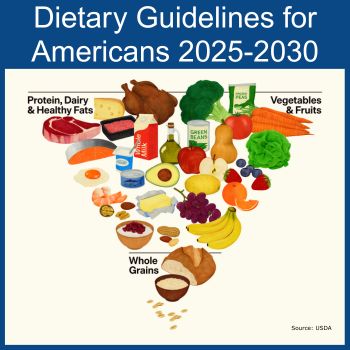
The 2026 HHS Nutrition Guidelines, released January 7, 2026, represent a “historic reset” in US nutrition policy. These guidelines place “real food” and minimally processed options at the center of healthy eating, updating recommendations for food groups, servings, and nutrient targets to better address chronic disease, obesity, and health disparities. Notably, the guidelines recommend limiting saturated fat to less than 10% of total daily calories, but, controversially, allow whole-fat dairy and animal fats such as beef tallow. This is a point of concern for many experts, as whole-fat dairy and beef tallow are high in saturated fats, which have long been linked to increased cardiovascular risk. The guidelines suggest that the source and food matrix of these fats may influence health outcomes, but there is ongoing debate about the implications for heart health 5. Practically, it may be challenging for individuals to keep saturated fat below 10% of calories when consuming calorie-dense fats and more meat, since fat contains 9 calories per gram, which is more than double the caloric density of protein or carbohydrates. Typical meat servings can quickly increase total fat intake.
The 2026 guidelines also include higher allowances for whole-fat dairy than previous versions, citing nutrient density and food tradition. This conflicts with the Mediterranean and Vision diets’ more restrictive approach to dairy. The Mediterranean Diet suggests 2 servings of fermented yogurt or cheese per week, far less than the 21 servings of dairy products (3 servings per day) in the new HHS dietary guidelines.
Despite these shifts, the guidelines continue to strongly discourage added sugars, sodium, and ultra-processed foods, and encourage plant-forward eating, while providing more flexibility around animal foods 6.
Science Behind Each Approach
The scientific foundation for each of these dietary patterns is robust, though the focus and strength of evidence vary among them.
What is the Science Behind the Mediterranean Diet?
The Mediterranean Diet stands out as one of the most extensively studied dietary patterns in nutrition science. Landmark studies such as the PREDIMED trial and the Lyon Diet Heart Study, along with numerous meta-analyses, have demonstrated its effectiveness in reducing the risk of cardiovascular disease, metabolic syndrome, type 2 diabetes, certain cancers, and even neurodegenerative diseases such as dementia. The benefits of the Mediterranean Diet are attributed to its high content of antioxidants, fiber, and healthy fats—particularly monounsaturated fats from olive oil and omega-3 fatty acids from fish—which contribute to its anti-inflammatory properties and positive effects on lipid profiles and blood pressure 7.
 Vision Diet Scientific Basis
Building on this foundation, the Vision Diet is designed to further reduce inflammation and specifically support eye health. Chronic inflammation, driven in large part by the typical Western diet high in refined grains, sugars, and poor-quality fats, is a recognized factor in the development of chronic diseases, including eye conditions such as macular degeneration, cataracts, and diabetic retinopathy. The Vision Diet’s strict avoidance of refined carbohydrates, man-made fats, and additives like MSG (a potential retinal toxin) is rooted in research linking these dietary components to increased inflammation and oxidative stress. Antioxidant-rich foods—especially those high in lutein, zeaxanthin, vitamins C and E, and zinc—are emphasized for their protective effects on retinal health. Supplementation with targeted antioxidants is often recommended for individuals at higher risk of eye disease 8.
Dietary Guidelines for Americans 2025-2030
The 2026 HHS Nutrition Guidelines are grounded in an extensive review of current scientific evidence, as detailed in the Scientific Report. These guidelines prioritize reducing risk factors for chronic diseases—including cardiovascular disease, obesity, and diabetes—by promoting a dietary pattern rich in whole, minimally processed foods. The scientific rationale includes strong evidence for the health benefits of plant-based diets, higher intakes of fruits, vegetables, whole grains, and legumes, and lower consumption of added sugars, sodium, and ultra-processed foods. A notable shift in the 2026 guidelines is the nuanced approach to dietary fats. While the guidelines continue to recommend limiting saturated fat to less than 10% of daily calories, they also allow for whole-fat dairy and animal fats in certain contexts, arguing that the food matrix and source may influence health outcomes differently than previously thought. However, many cardiovascular and nutrition experts remain cautious, citing decades of research linking high saturated fat intake to increased heart disease risk. The guidelines also allow for greater meat consumption than previous versions, which raises practical and scientific questions about balancing nutrient density and chronic disease prevention, especially when trying to maintain low saturated fat intake.
Similarities Between the Diets
Despite some differences in emphasis and specific recommendations, the Mediterranean Diet, the Vision Diet, and the 2026 HHS Nutrition Guidelines share a strong foundation rooted in whole, minimally processed foods. All three approaches prioritize a high intake of vegetables, fruits, whole grains, legumes, and nuts or seeds, providing a rich source of fiber, vitamins, minerals, and antioxidants 9. Each diet encourages healthy fats, particularly from plant sources like olive oil and, in the case of the Mediterranean and Vision diets, from fish rich in omega-3 fatty acids 10.
There is a shared emphasis on reducing added sugars and ultra-processed foods, recognizing the role these foods play in inflammation and chronic disease risk 11. Plant-based eating patterns are highlighted in all three approaches for their nutrient diversity and long-term health benefits 12. However, it is important to note that, unlike the Mediterranean and Vision diets, which encourage limiting red and processed meats, the 2026 HHS Nutrition Guidelines actively encourage protein at every meal, including red meat, poultry, seafood, eggs, and plant-based protein sources. This marks a significant difference in the approach to animal foods, even as the overall message remains focused on dietary quality and nutrient density.
Additionally, each set of guidelines discourages the typical Western diet’s reliance on refined grains, sugary beverages, and poor-quality fats, instead recommending dietary patterns that are anti-inflammatory and supportive of cardiovascular, metabolic, and—in the case of the Vision Diet—eye health.
Differences Between the Diets
While the Mediterranean Diet, Vision Diet, and 2026 HHS Nutrition Guidelines share a foundation of whole, plant-forward foods, their recommendations diverge in several important areas.
One of the most notable differences is the approach to animal foods and fats. The Mediterranean Diet traditionally emphasizes fish and seafood as primary animal protein sources, with limited red meat and dairy, usually in the form of fermented cheese or yogurt. The Vision Diet takes this further by recommending even stricter limits on processed meats, and by avoiding man-made fats such as corn, safflower, and canola oils, as well as trans fats and hydrogenated oils.
In contrast, the 2026 HHS Nutrition Guidelines explicitly encourage the inclusion of protein at every meal, not only from seafood and plant sources, but also from red meat, poultry, and eggs. The guidelines also allow for whole-fat dairy and animal fats, including beef tallow, within the context of an overall “real food” dietary pattern. This is a substantial shift from previous recommendations and stands in contrast to both the Mediterranean and Vision diets, which limit saturated fat intake and animal fat sources. While the HHS guidelines still recommend keeping saturated fat below 10% of daily calories, they argue that the source and food matrix may influence health effects—a stance that remains controversial among many nutrition and cardiovascular experts.
The Vision Diet is unique in its recommendation for targeted antioxidant supplementation, especially for those at higher risk for eye disease, and its strong advocacy for organic foods and strict avoidance of processed and fast foods. It also recommends limiting alcohol to one glass of red wine daily and reducing caffeine and soft drink intake, whereas the Mediterranean Diet allows for moderate wine consumption and is less specific about caffeine. The HHS guidelines, meanwhile, are more flexible about animal foods and fats, and do not specifically address organic foods or antioxidant supplementation in the same detail.
Another difference lies in the treatment of refined grains and sugars. The Vision Diet is particularly strict, advocating only whole grains and the use of stevia as a sweetener instead of sugar, while both the Mediterranean Diet and HHS guidelines recommend limiting—but not necessarily eliminating—refined grains and added sugars.
Practical Implications & Takeaways
For individuals and families seeking to improve their health, all three dietary patterns—the Mediterranean Diet, Vision Diet, and 2026 HHS Nutrition Guidelines—offer a move away from the highly processed, inflammatory foods that dominate the typical Western diet. Adopting any of these approaches means increasing the consumption of vegetables, fruits, whole grains, and healthy fats, which are consistently linked to lower risk of chronic disease and improved overall well-being 13.
The Mediterranean Diet is often praised for its flexibility, palatability, and evidence-based benefits, making it a sustainable option for many people. Its focus on plant-based foods, olive oil, and seafood can be adapted to a variety of cultural and personal preferences. The Vision Diet, while rooted in the same principles, is more prescriptive—especially for those with eye health concerns or a desire to minimize exposure to food additives and pesticides. Its recommendations for organic produce, strict avoidance of certain fats, and targeted antioxidant supplementation may require more effort and potentially higher cost, but could offer additional protection for those at risk of ocular diseases.
The 2026 HHS Nutrition Guidelines are designed to be practical and accessible for the diverse US population. By centering “real food” and providing flexibility around protein sources—including red meat, poultry, seafood, eggs, and plant-based proteins—the guidelines aim to accommodate a wide range of dietary traditions and preferences. However, the inclusion of whole-fat dairy and animal fats, and the encouragement of protein at every meal, may present challenges for individuals trying to limit saturated fat intake, especially given the calorie density of fats and the strong evidence linking high saturated fat consumption to heart disease. Careful attention to portion sizes, label reading, and balancing plant and animal foods will be necessary for those aiming to keep saturated fat below 10% of daily calories.
Cost, food access, and label literacy remain barriers for many. Organic produce and specialty foods recommended in the Vision Diet may not be feasible for everyone, while the Mediterranean and HHS patterns can be adapted to fit a variety of budgets by prioritizing seasonal produce, bulk whole grains, and affordable protein sources like beans and lentils. For those with specific health needs, such as a family history of heart disease, diabetes, or eye conditions, working with a healthcare provider or registered dietitian to tailor these guidelines can help maximize benefits and sustainability.