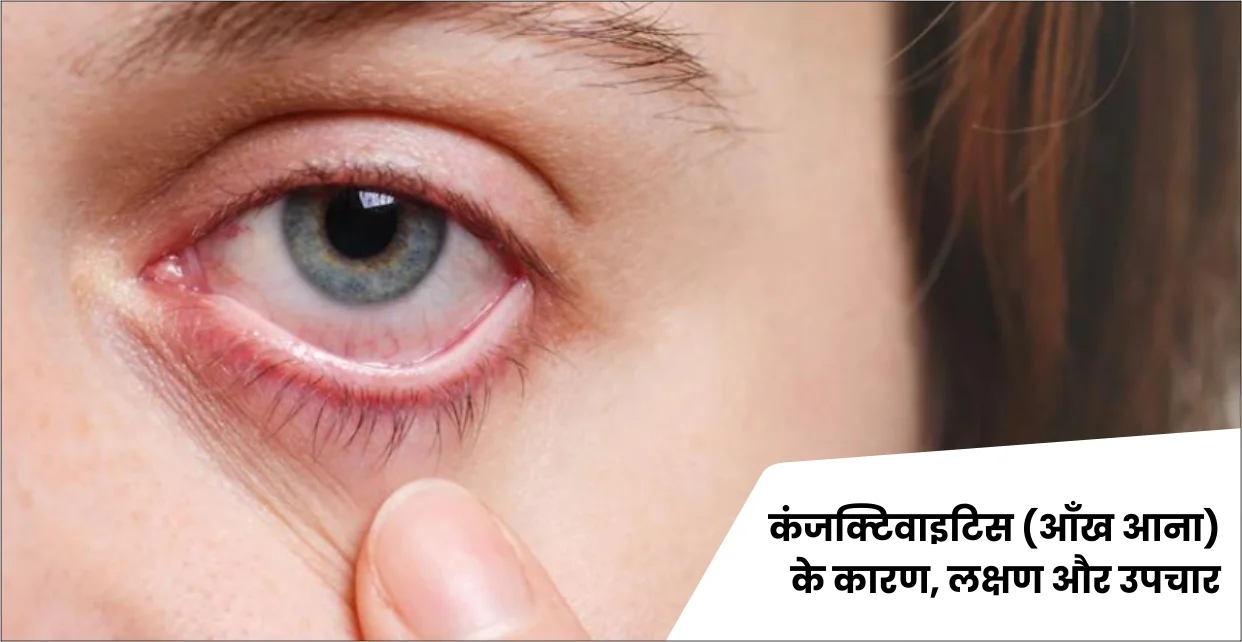



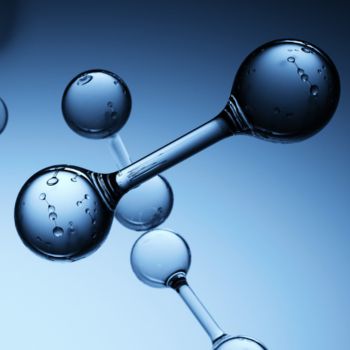

Molecular hydrogen (H2) is a colorless, odorless, and tasteless non-toxic gas. H2 can alleviate oxidative damage by efficiently removing surplus reactive oxygen species (ROS),1 2, a highly damaging free radical. Molecular hydrogen has anti-inflammatory properties. It helps prevent premature cell death (apoptosis). In mitochondria, H2 has cytoprotection effects, meaning it helps protect them from harmful stressors.3
Oxidative stress produces reactive oxygen intermediates (ROI/ROS), which leads to the death of healthy cells.4 Oxidative stress has been recognized as a critical pathogenic factor of various ocular diseases, such as endothelial corneal dystrophy, pterygium, glaucoma, cataracts, uveitis, retinopathy, and optic neuropathies.5 Oxidative stress can impair tissue structure, increase vascular permeability, and promote neovascularization in the eye.6 7
Neovascularization in the eye is the abnormal growth of new, fragile blood vessels in areas where they shouldn’t be. This growth is often triggered by a lack of oxygen (ischemia) or inflammation. Neovascularization leads to leakage of fluid or blood, vision loss, and complications such as retinal detachment. Neovascularization is seen in diabetic retinopathy, macular degeneration, or contact lens overuse (corneal neovascularization). The most common treatments are injections in the eyes with anti-angiogenic drugs and steroid drops.
Accumulating evidence suggests that H2 is protective against multiple ophthalmic diseases, including cataracts, dry eye disease, and diabetic retinopathy. Molecular hydrogen can also assist in the treatment of dry eye disease and corneal endothelial injury.
Apoptosis is the orderly process of cell death. The body naturally clears out old cells, removes the waste, and replaces them with new cells. Apoptosis is involved in the pathology of various ophthalmological diseases, such as glaucoma, retinitis pigmentosa, cataracts, retinoblastoma, retinal ischemia, and diabetic retinopathy. H2 can inhibit the activation of apoptotic cascades across multiple tissue types.8
Where Does Molecular Hydrogen Come From?
Your body produces molecular hydrogen (H2) naturally in your digestive system. This happens when certain types of gut bacteria break down undigested carbohydrates and fibers during the fermentation process in your large intestine. As these bacteria digest the food, they release gases—including hydrogen (H2)—as byproducts. Some of this hydrogen is absorbed into your bloodstream, while the rest is either used by other bacteria or expelled from your body.
You can take molecular hydrogen (H2) as a supplement, most commonly in the form of hydrogen-rich water (HRW). This can be achieved by dissolving special hydrogen tablets in water or by using pre-bottled hydrogen-infused water. These supplements are designed to safely deliver molecular hydrogen to your body, allowing you to potentially benefit from its antioxidant and anti-inflammatory properties. While research is ongoing, HRW supplements are generally considered safe, easy to use, and have no noticeable taste or odor. If you’re considering adding molecular hydrogen to your routine, it’s always a good idea to consult with your healthcare practitioner, especially if you have any underlying health conditions.
Natural Barriers in the Eyes that Reduce Penetration of Medication
The thickness of Bruch’s membrane in the retina can increase with age, showing a gradually stronger blocking ability.9 The blood-retinal barrier (BRB) is another challenge for efficient drug delivery.10
Collectively, there are varied layered barriers that hinder the transportation of most therapeutic drugs into the eye. However, H2 can quickly cross these biological barriers and enter cellular membranes, including mitochondria and nuclei, due to its powerful penetrating ability.11
Ferroptosis and Macular Degeneration
Ferroptosis is cell death characterized by the iron-dependent accumulation of lipid peroxidation. It is closely related to the pathogenesis of various ocular diseases. For example, the progressive death of retinal pigment epithelium (RPE) cells and overlying photoreceptors is the hallmark feature of age-related macular degeneration (AMD) pathology.12 13
H2 can inhibit ferroptosis by ameliorating oxidative stress. H2 may significantly prevent this process by inhibiting lipid peroxidation.14
Lipid peroxidation is a destructive chain reaction where free radicals attack and damage lipids (fats) in cell membranes, particularly polyunsaturated fatty acids (PUFAs). This leads to oxidation of lipid products like aldehydes (MDA, 4-HNE) and membrane dysfunction. It’s a key indicator of oxidative stress, linked to aging and diseases such as atherosclerosis.
Potential Benefits for Specific Eye Conditions:
Diabetic Retinopathy
H2 improves retinal blood flow and protects against oxidative damage and cell death. Diabetic retinopathy is characterized by microvascular damage and visual impairment. It stems from the chronic, progressive effects of diabetes, leading to a sequence of retinal microvascular leaks and obstructions. There is a cascade of effects that results in a range of retinal abnormalities, including microaneurysms, hard exudates, cotton-wool spots, neovascularization, vitreous proliferation, macular edema, and, potentially, retinal detachment. There is also an excessive production of reactive oxygen species, which can induce structural and functional abnormalities in the retinal microvasculature, leading to the breakdown of the blood-retinal barrier and promoting the progression of diabetic retinopathy.15 The blood-retinal barrier is an essential structure that safeguards the retina by controlling the movement of substances between the bloodstream and retinal tissue.
Note that levels of intracellular antioxidant glutathione are significantly reduced in the diabetic retina, so supplementing with glutathione, either in an oral or sublingual form, is recommended.
Cataracts
Cataracts result from the gradual aggregation or misfolding of crystallin proteins within the lens, attributed to lipid peroxidation by free radicals.16 This leads to changes in the internal composition and configuration of lens epithelial cells, resulting in the malfunction of lens protein and leading to the formation of cataracts.17
H2 helps maintain antioxidant balance and reduces lipid peroxidation, slowing cataract formation.
Glaucoma
Glaucoma is a group of neurodegenerative diseases that is characterized by optic nerve head damage, the progressive death of RGCs (retinal ganglion cells), and visual field defects. Accumulated evidence obtained from both clinical and experimental research convincingly suggests that oxidative stress is implicated in the RGC loss in glaucoma cases.18 Oxidative stress can impair the structure of the trabecular meshwork, leading to the obstruction of aqueous humor.
An oxidative stimulus can also attack retinal ganglion cells.
Molecular hydrogen protects retinal ganglion cells (RGCs) from oxidative stress and apoptosis.19
Dry Eye Disease
Dry eye disease can be caused by the reduced production of tears, the excessive evaporation of tears, or a combination of these two processes. H2 inhibits inflammatory pathways like NF-kB and reduces oxidative stress.20 Accumulating evidence suggests that ultraviolet radiation, air pollutants, aging, and microbial antigens all increase ROS (reactive oxygen species) in the tear film. These unopposed ROS can directly damage the structures, such as the tear lipid layer and the myelin sheath of the ocular surface nerve.
ROS also causes cellular stress, leading to ocular surface epithelial and goblet cell dysfunction, inflammation, and vascular endotheliopathy, ultimately resulting in tear instability.21
Age-related Macular Degeneration (AMD)
Damage to the retinal pigment epithelium (RPE) caused by oxidative stress is a key factor in the development of AMD.22 When exposed to oxidative stress, RPE cells can experience damage to their mitochondrial DNA and a decline in mitochondrial function. These issues build up in the macular area as we age.23 As a result, deterioration of the RPE can ultimately lead to the death of photoreceptor cells and loss of central vision.24
The retinal pigment epithelium is essential for supporting healthy retinal activity. It helps transport nutrients, maintains proper cellular alignment, and removes metabolic waste products.25 Research in clinical settings indicates that antioxidant supplementation may help improve visual outcomes for individuals with AMD.26
Recent studies suggest that ferroptosis is the primary mechanism underlying the death of RPE/photoreceptor cells in AMD.27 As mentioned above, H2 can also inhibit ferroptosis by ameliorating oxidative stress.
Retinal Ischemia/Reperfusion Injury
H2 acts as a neuroprotective agent, reducing cell death and inflammation.
Retinitis Pigmentosa (RP)
RP is a genetic eye disorder that causes the gradual loss of rod cells. Typical symptoms of night blindness emerge first, followed by reduced visual field, and, eventually, legal blindness occurs in many RP patients.28 Degradation can significantly vary depending on the specific mutated gene (over 100 variations), and cell death, which can accelerate due to elevated oxygen levels in the retinal tissue. High levels of free O2 can overwhelm antioxidant defenses and increase ROS (reactive oxygen species) production.
H2 is used to promote cone cell survival and maintain the visual function in an RP model.29 A study has shown that drinking metabolic oxygen (H2) improves the photoreceptor survival and function in rd6 mice.30
Corneal Damage
H2 reduces inflammation and neovascularization (new blood vessel growth) after alkali burns. Ultraviolet (UV) radiation primarily damages corneal structures. Although the cornea efficiently absorbs more than 90% of ultraviolet B (UVB) radiation, excessive exposure to UVB can lead to serious eye problems, including photokeratitis, corneal epithelial apoptosis, and corneal edema.31
A critical mechanism underlying UVB-induced corneal damage can be ascribed to the overproduction of ROS, along with the underproduction of essential antioxidants. Antioxidant supplementation is crucial for protecting the cornea from oxidative damage.
In a mouse study, corneal irrigation with an H2 solution effectively suppresses corneal oxidative stress, reduces corneal inflammation, and promotes beneficial corneal healing.32
Uveitis
Uveitis describes a collection of diseases characterized by the inflammation of the uvea, which encompasses the iris, ciliary body, and choroid. As a type of intraocular inflammation, the etiology of uveitis is multifaceted, and the pathogenic mechanism is often unclear.33
Evidence suggests that ROS play a critical role in the inflammatory response in uveitis. Increased ROS production exacerbates inflammation through a cascade of events in the eye.34 Researchers find that H2 may be a promising medication for treating uveitis. H2 can help mitigate ROS production in uveal tissue and alleviate symptoms in uveitis patients.
How it Works
Antioxidant Action: H2 selectively neutralizes harmful free radicals like hydroxyl radicals and peroxynitrite, which cause cellular damage.
Anti-inflammatory Effects: It suppresses inflammatory pathways (like NF-kB), reducing cytokine production.
Neuroprotection: Protects nerve cells (like RGCs) from oxidative damage and promotes survival.
Upregulates Antioxidant Systems: Activates the body’s own protective Nrf2 pathway. Nrf2 pathway (Nuclear factor erythroid 2-related factor 2) is your body’s master regulator for antioxidant defense. It is a crucial cellular system that activates protective genes to fight oxidative stress, toxins, and inflammation, helping maintain cellular health by producing “in-house antioxidants” and essentially acting as a master switch for cellular resilience.
H2 and Colon Health
There are more than 100 trillion kinds of intestinal bacteria from 1000 different species in our large intestine. Among these bacteria, 70% are H2-producing bacteria.35 They can ferment substances that cannot be absorbed in the intestines into short-chain fatty acids, releasing carbon dioxide and H2. Despite the presence of H2-consuming microbial communities in the gut, a robust supply of H2 may still retain potential therapeutic efficacy against eye diseases, assuming sufficient systemic H2 availability is maintained as excess H2 production in the gut, which can find its way into the bloodstream.
Once absorbed into the bloodstream, H2 is transported via the circulatory system to various cells and tissues throughout the body, including the eyeball.36
Conclusion
H2 is a potent antioxidant, with anti-inflammatory and anti-apoptotic properties. It exhibits remarkable potential for the treatment of diseases of the nervous system such as stroke, Parkinson’s disease, cardiovascular diseases (such as I/R injury, hypertension) and liver diseases (such as fatty liver and liver fibrosis).37 38 39 40 41 42
Between 2016 and 2023, H2 therapy gained substantial recognition as a treatment approach for ophthalmic diseases, including AMD, corneal endothelial injury, uveitis, cataracts, dry eyes, glaucoma, and more.
Finally, research has demonstrated the ability of H2 to reduce tumor cell damage and apoptosis.43