


A broken zipper can transform a perfectly good jacket, bag, or pair of jeans into an unusable item. Before you consider throwing away your favorite garment or accessory, understanding the common causes of zipper failures and learning simple repair techniques can save you money and extend the life of your belongings. Most zipper problems are surprisingly easy to fix with basic household tools and a little patience.
Understanding common zipper problems and their causes
Zippers fail for various reasons, and identifying the specific issue is the first step toward a successful repair. The most frequent problems include stuck sliders, separated teeth, broken pulls, and sliders that won’t stay up. Each of these issues requires a different approach to resolve effectively.
A stuck zipper often results from fabric caught in the teeth or accumulated dirt and debris. When you force a stuck zipper, you risk damaging the teeth or breaking the slider completely. Regular maintenance and gentle handling can prevent many of these situations. Much like performing other household maintenance tasks such as cleaning bronze fixtures, preventive care makes a significant difference.
Separated teeth present another common challenge, particularly in older garments where the metal or plastic has weakened over time. The slider may move up and down without actually closing the zipper, leaving a gap in the fabric. This frustrating situation occurs when the slider mechanism wears out or becomes bent, preventing it from properly engaging both sides of the zipper tape.
Missing or broken zipper pulls make the zipper difficult or impossible to operate, though the underlying mechanism might still function perfectly. Environmental factors like exposure to heat, cold, or moisture can weaken zipper components over time. Understanding these causes helps you take appropriate preventive measures and choose the right repair method.
Essential tools and materials for zipper repair
Having the right supplies on hand makes zipper repair much easier and more successful. You don’t need expensive specialized equipment for most repairs. Basic household items combined with a few inexpensive tools will handle the majority of zipper problems you’ll encounter.
Start by gathering these essential items :
- Graphite pencil or bar soap for lubrication
- Needle-nose pliers for adjusting slider tension
- Small screwdriver or seam ripper for removing stops
- Replacement zipper sliders in various sizes
- Keyring or paperclip for temporary pull replacements
- Clear nail polish for securing repairs
Lubricants play a crucial role in zipper maintenance and repair. Graphite from a pencil works excellently because it doesn’t attract dirt or leave stains. Simply rub the pencil along both sides of the zipper teeth, then work the slider up and down several times. Bar soap or candle wax provide alternative lubricants that work similarly well.
Replacement sliders can be purchased at fabric stores or online retailers for a fraction of the cost of replacing an entire zipper. When selecting a replacement, note your zipper’s size, which is usually stamped on the back of the original slider. Keep several sizes in your repair kit for future emergencies.
Step-by-step methods for fixing different zipper issues
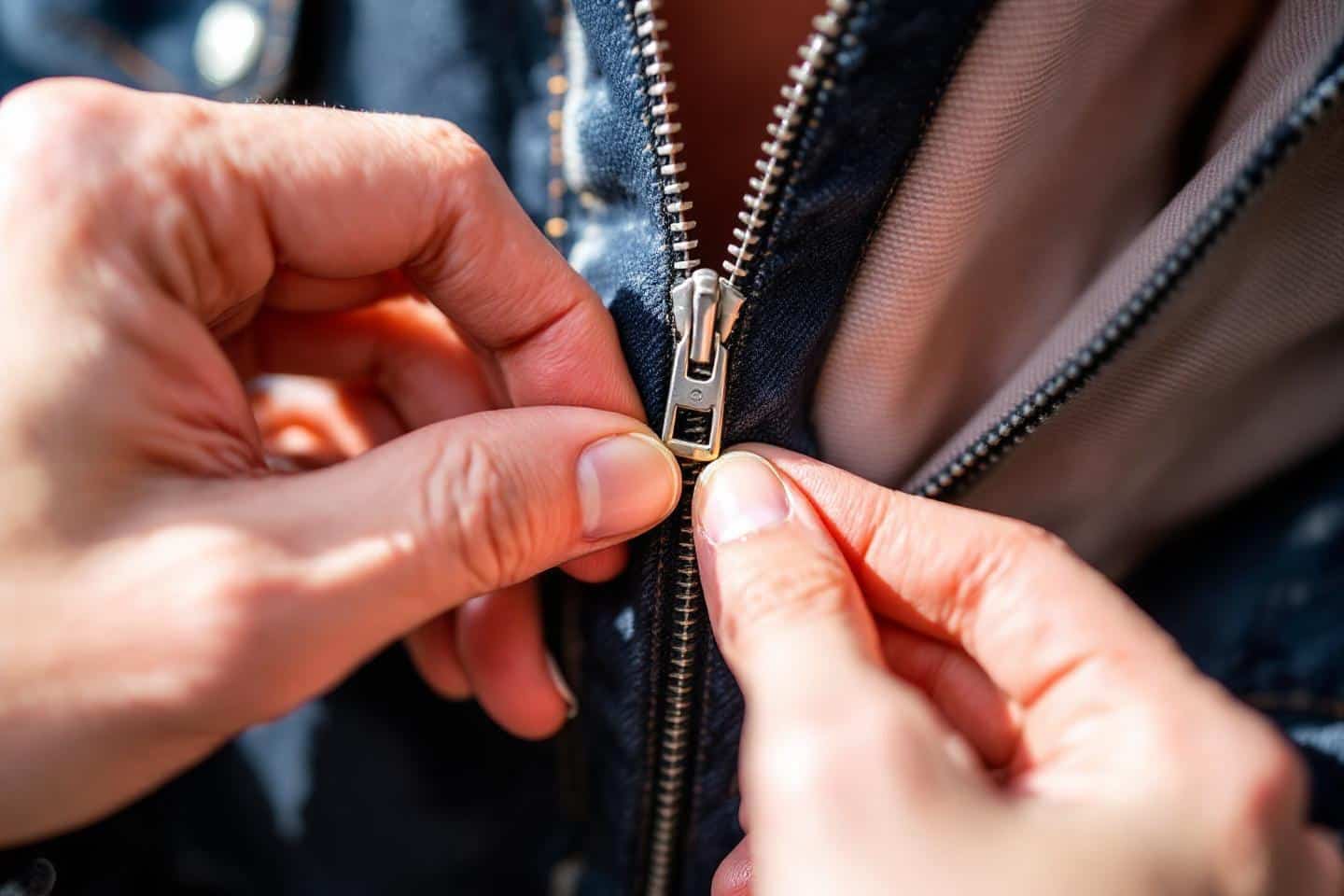
Fixing a stuck zipper requires patience and the right technique. First, examine the zipper carefully to identify what’s causing the blockage. If fabric is caught, gently pull the material away from the teeth while moving the slider slightly back and forth. Never yank or force the slider, as this can break the teeth or damage the fabric permanently.
For zippers that won’t stay closed, the slider has likely become too loose. Using needle-nose pliers, carefully squeeze the slider from both sides to create more tension. Apply gentle, even pressure and test the zipper after each adjustment. Over-tightening can crack the slider, so work gradually until the teeth engage properly.
When dealing with separated teeth, inspect whether the slider itself is damaged or if the teeth are misaligned. Remove the slider by taking off the top stop with a small screwdriver. Thread the slider back onto the zipper tape, ensuring both sides enter the slider simultaneously at the bottom. Work slowly upward, checking that teeth properly mesh together.
Replacing a broken pull is one of the easiest repairs. Thread a small keyring, paperclip, or length of cord through the slider hole. While this might not match the original aesthetic, it restores full functionality immediately. For a more polished look, you can purchase replacement pulls that attach with pliers. Just as you might tackle other home improvement projects like removing old shower doors, this repair requires only basic skills and builds confidence.
Preventive maintenance and long-term zipper care
Proper maintenance significantly extends zipper lifespan and prevents many common problems. Regular cleaning and lubrication should become part of your garment care routine, especially for frequently used items like jackets and bags. Clean zippers by brushing away debris with an old toothbrush, then apply lubricant every few months.
Always close zippers before washing garments to prevent snags and reduce stress on the teeth. Washing zippers in the open position allows them to catch on other items, potentially bending teeth or damaging the slider. Similarly, when storing items like down comforters or sleeping bags, ensure zippers are closed but not under tension.
Avoid overloading bags and garments beyond their intended capacity, as excessive stress weakens zipper components over time. When opening or closing zippers, use smooth, steady motions rather than quick jerks. Hold the fabric taut near the zipper while operating the slider to reduce strain on the teeth and tape.
Store items with metal zippers in dry environments to prevent rust and corrosion. If you live in humid conditions, consider using silica gel packets in closets and storage areas. For leather goods with metal hardware, the same care principles apply as when applying protective finishes to wood – prevention beats restoration every time.
By mastering these repair techniques and maintenance practices, you’ll save money and reduce waste while keeping your favorite items functional for years. Most zipper problems take only minutes to fix once you understand the underlying mechanics and have appropriate tools ready.