



[ad_1]
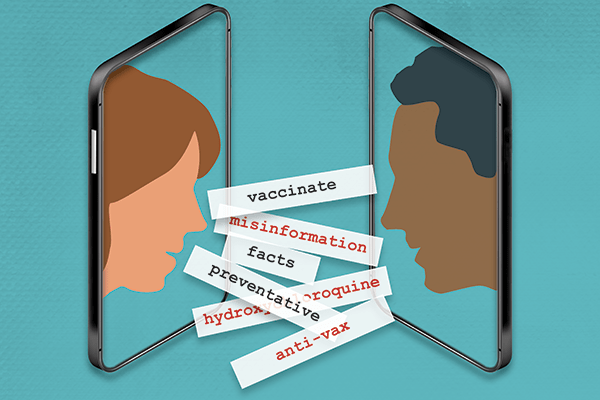
The American public is facing a credibility crisis in health information. As confidence in traditional public health authorities wavers, millions of people searching online for medical guidance find themselves navigating a treacherous landscape of misinformation, conspiracy theories, and conflicting advice. This crisis presents both a challenge and an opportunity for pharma companies to step forward as trusted sources of clear, accessible health information.
The Trust Deficit
Recent surveys reveal a troubling trend: public trust in health institutions has declined significantly. When people can no longer rely on the sources they once turned to for authoritative guidance, they don’t stop seeking health information—they look elsewhere. Unfortunately, “elsewhere” often means social media influencers, unvetted forums, and websites peddling pseudoscience alongside legitimate content.
The consequences are real. People delay necessary care, skip vaccinations, try unproven treatments, or ignore warning signs of severe conditions. In an information vacuum, the loudest voices often win, regardless of their accuracy.
The Pharma’s Industry’s Unique Position
Pharma companies possess something invaluable in this environment: deep scientific expertise combined with a vested interest in patient outcomes. While the industry has historically struggled with public perception issues, companies that produce medications and treatments have access to rigorous clinical data, research teams, and regulatory expertise that few other entities can match.
More importantly, pharma companies are already communicating with patients through prescribing information, patient assistance programs, and disease awareness campaigns. The infrastructure exists; what’s needed is a strategic expansion of these efforts.
What Credible Health Information Looks Like
For pharma companies to become trusted health information sources, their content must be:

Transparent and unbiased. Acknowledge limitations, present balanced information, and clearly distinguish between company products and general health guidance. When discussing treatment options, include non-pharmaceutical approaches where appropriate.
Evidence-based and current. Ground all content in peer-reviewed research and clinical guidelines. Update information regularly as new evidence emerges. Cite sources and explain the strength of evidence behind recommendations.
Accessible without dumbing down. Use plain language and visual aids to explain complex concepts, but don’t oversimplify to the point of inaccuracy. Respect the reader’s intelligence while meeting them where they are.
Action-oriented. Help people understand not just what conditions are, but what they can do about them. Provide clear next steps, whether that’s talking to a doctor, lifestyle modifications, or understanding treatment options.
Free from hard sells. Educational content should educate first. While it’s appropriate to mention relevant company products, the primary goal must be to empower patients with knowledge, not to drive immediate sales.
Practical Implementation
Pharma companies looking to build credible health information resources should consider:
Creating comprehensive disease education centers on their websites that go beyond promoting specific medications. Cover symptoms, diagnosis, living with the condition, and the full spectrum of management approaches.
Partnering with respected patient advocacy groups and medical professionals to develop and review content. Third-party validation strengthens credibility.
Investing in multimedia formats—videos, infographics, interactive tools—that help people understand complex health topics. A well-designed symptom checker or risk assessment tool can be invaluable.
Ensuring content is optimized for search engines so people actually find it when searching for health information. The best content is useless if it remains hidden.
Making information available in multiple languages and at various literacy levels to reach diverse populations.
The Business Case
Beyond social responsibility, there’s a compelling business rationale for pharma companies to invest in health education. Informed patients are better patients—they’re more likely to seek appropriate care, adhere to treatments, and engage in shared decision-making with their healthcare providers. They’re also more likely to view companies that helped educate them favorably.
In a marketplace where trust is increasingly valuable currency, companies that establish themselves as reliable information sources gain a significant competitive advantage. When a patient or caregiver finds clear, helpful information on a company’s website about managing diabetes, heart disease, or mental health, that positive experience creates lasting associations.
Navigating the Challenges
This approach isn’t without risks. Pharmaceutical companies must carefully navigate regulatory requirements around marketing and promotion. Content must be reviewed to ensure it meets FDA and FTC guidelines. There’s also the challenge of maintaining objectivity when writing about conditions that company products treat.
The solution is robust editorial processes, clear separation between educational and promotional content, and transparency about potential conflicts of interest. Some companies may choose to house their academic content in separate foundations or dedicated portals to reinforce independence.
A Responsibility and an Opportunity
When public health authorities lose credibility, the void doesn’t remain empty—it fills with whatever information is most readily available and persuasively presented. In that environment, pharmaceutical companies have both an opportunity and a responsibility to provide the scientifically sound, clearly communicated health information that people desperately need.
This isn’t about replacing doctors or public health agencies. It’s about recognizing that patients and caregivers searching for health information deserve access to accurate, understandable content from sources with genuine expertise. Pharmaceutical companies possess that expertise. The question is whether they’ll step forward to share it in ways that truly serve public health.
In an age of health misinformation, credibility is the most valuable asset any organization can offer. Pharma companies that invest in earning and maintaining that credibility through excellent health education may find they’ve built something more useful than any marketing campaign: genuine trust.
The post How Pharma Can Combat Health Misinformation appeared first on World of DTC Marketing.
[ad_2]
Source link