

Posted by:
Eye Health Northwest in Glaucoma on January 12, 2026
January is Glaucoma Awareness Month, a necessary time to talk about the “silent thief of sight.” This disease affects over 4 million Americans, and nearly half of them don’t know they have it.
High eye pressure is often the main cause of glaucoma, yet most people don’t notice when their pressure is elevated. Keep reading to learn why monitoring your eye pressure matters and how often you should schedule glaucoma screenings to prevent vision loss.
What is High Eye Pressure and How Does it Relate to Glaucoma?
Your eye maintains its shape through a watery fluid called aqueous humor. This fluid constantly drains out through small channels and into your bloodstream, keeping eye pressure at a normal level. When these drainage channels become blocked, fluid becomes trapped, and pressure builds up inside your eye, leading to glaucoma.
This elevated pressure pushes against the optic nerve, which connects your eye to your brain like a cable with over a million tiny wires. Over time, high eye pressure damages these nerve fibers, leading to permanent vision loss.
Some people develop glaucoma even with normal eye pressure. This can happen due to genetics or very low blood pressure. However, elevated eye pressure remains the most common and treatable risk factor for glaucoma.
Why Glaucoma is Called the “Silent Thief of Sight”
The most common form of glaucoma has no early warning symptoms. Vision loss begins in your peripheral (side) vision, which people tend to ignore. Because the changes happen gradually, you may not notice anything wrong until significant damage has occurred.
According to the Glaucoma Research Foundation, as much as 40% of your vision can be lost without you realizing it. By the time you notice trouble with your central vision or reading ability, the damage is irreversible. This is why glaucoma is the leading cause of irreversible blindness worldwide.
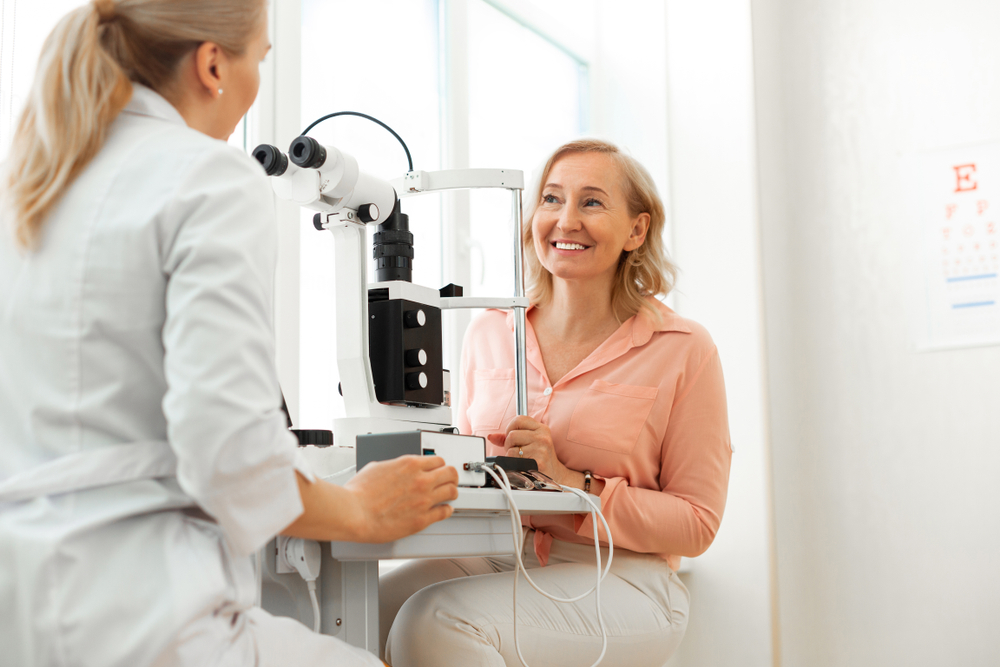
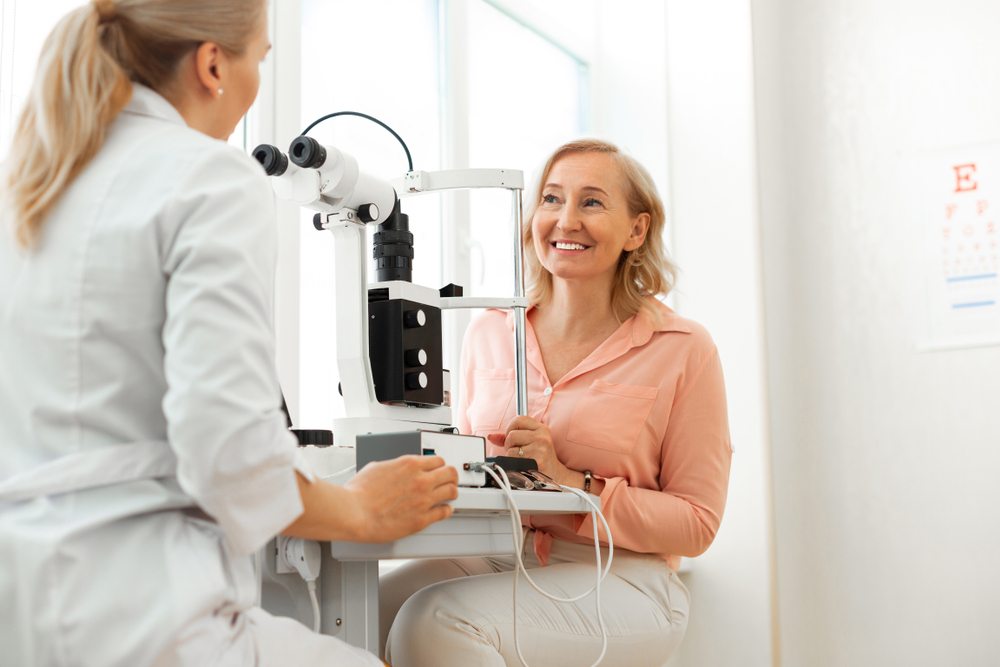
The only way to catch glaucoma early is through regular eye examinations. During these visits, your eye doctor at EyeHealth Northwest measures your eye pressure, examines your optic nerve, and checks for early signs of damage. With modern medicines and surgical techniques, most glaucoma patients can maintain good vision throughout their lives when treatment starts early.
Who is at Higher Risk for Glaucoma?
Anyone can develop glaucoma. However, certain factors significantly increase your risk:
- Family history of glaucoma
- Being of African, Hispanic, or Asian descent
- Being over the age of 60
- Severe nearsightedness
- Diabetes
- Migraine headaches
- Poor circulation
- History of eye injuries
- Chronic use of steroid medications (eye drops, nasal sprays, inhalers, or pills)
The eye doctors at EyeHealth Northwest recommend the following screening guidelines: every 2 to 3 years if you’re under 40, every 2 years between 40 and 65, and annually after 65. If you have any glaucoma risk factors, you should be checked at least once a year.
Protect Your Vision with Early Detection
High eye pressure often doesn’t announce itself with pain or symptoms. Once glaucoma steals your vision, no treatment can bring it back. But when caught early through routine screening, glaucoma can be managed effectively with eye drops, medications, laser treatment, or surgery to lower your pressure and prevent further damage.
This Glaucoma Awareness Month, take action to protect your sight. Schedule a comprehensive eye examination at EyeHealth Northwest in Portland, OR, today.