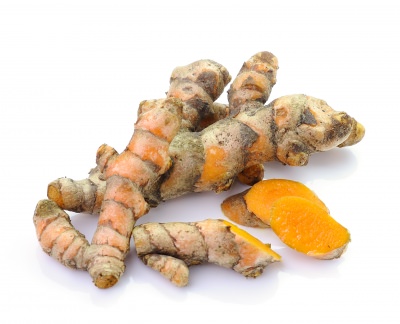



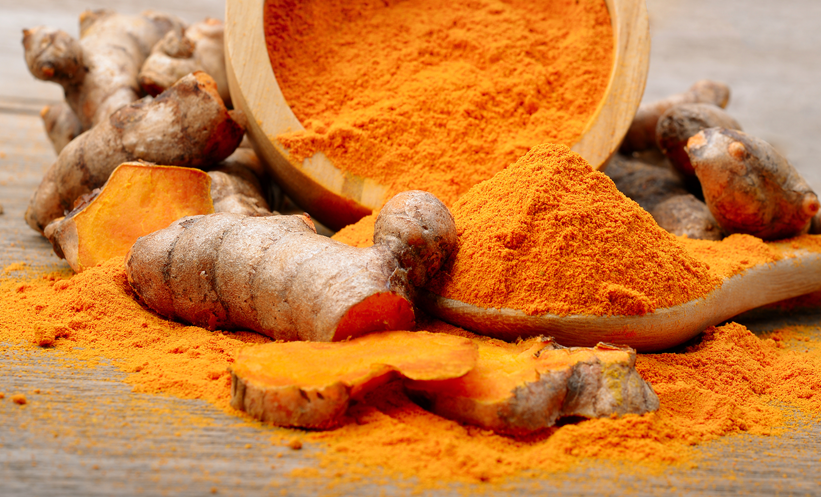
CURCUMIN or turmeric supplementation was associated with a modest but
significant reduction in systolic blood pressure in adults with
prediabetes or Type 2 Diabetes (T2D), according to a new meta-analysis of randomised trials.
Curcumin and Blood Pressure Risk in Diabetes
Hypertension is a common and clinically important comorbidity in
people with prediabetes and T2D, substantially increasing the risk of
cardiovascular events. Alongside standard antihypertensive therapy,
interest has grown in adjunctive nutritional approaches that may address
underlying inflammation and oxidative stress. Curcumin, the bioactive
compound in turmeric, has demonstrated anti-inflammatory and antioxidant
effects in experimental and clinical settings. However, evidence for
its impact on blood pressure in people with impaired glucose metabolism
has remained inconsistent. A recent meta-analysis was designed to
clarify whether curcumin or turmeric supplementation meaningfully
improves systolic or diastolic blood pressure in this high-risk
population.
Curcumin Trial Design and Analysis
Researchers conducted a systematic review and meta-analysis of
randomised controlled trials evaluating curcumin or turmeric
supplementation in adults with prediabetes or T2D. 15 trials, comprising
16 treatment arms and a total of 855 participants, met the inclusion
criteria. Studies were identified through searches of PubMed, Scopus and
Web of Science up to August 2025. A random-effects model was used to
account for between-study variability. Outcomes of interest included
changes in systolic blood pressure (SBP) and diastolic blood pressure
(DBP), with additional subgroup analyses based on baseline hypertension
status, body weight, diabetes status, formulation, and dose.
Curcumin Efficacy and Safety Signals
Pooled analysis showed that curcumin or turmeric supplementation
significantly reduced SBP by 2.69 mmHg compared with control, with
low-to-moderate heterogeneity. The effect was more pronounced in
participants with baseline hypertension, where SBP fell by 3.41 mmHg.
Significant reductions in SBP were also observed in people with
prediabetes or T2D, those who were overweight, and in trials using
nano-curcumin, turmeric, or curcumin combined with piperine at doses
exceeding 1 g/day. Overall effects on DBP were not statistically
significant, although a reduction in DBP was seen in the subgroup of
participants with T2D. No major safety concerns were reported across the
included trials.
This meta-analysis suggests curcumin supplementation may offer a
small but clinically relevant reduction in systolic blood pressure in
adults with prediabetes and diabetes, particularly those with
established hypertension. Further high-quality trials are needed to
confirm efficacy, determine optimal formulations, and define its role
alongside conventional blood pressure management.