



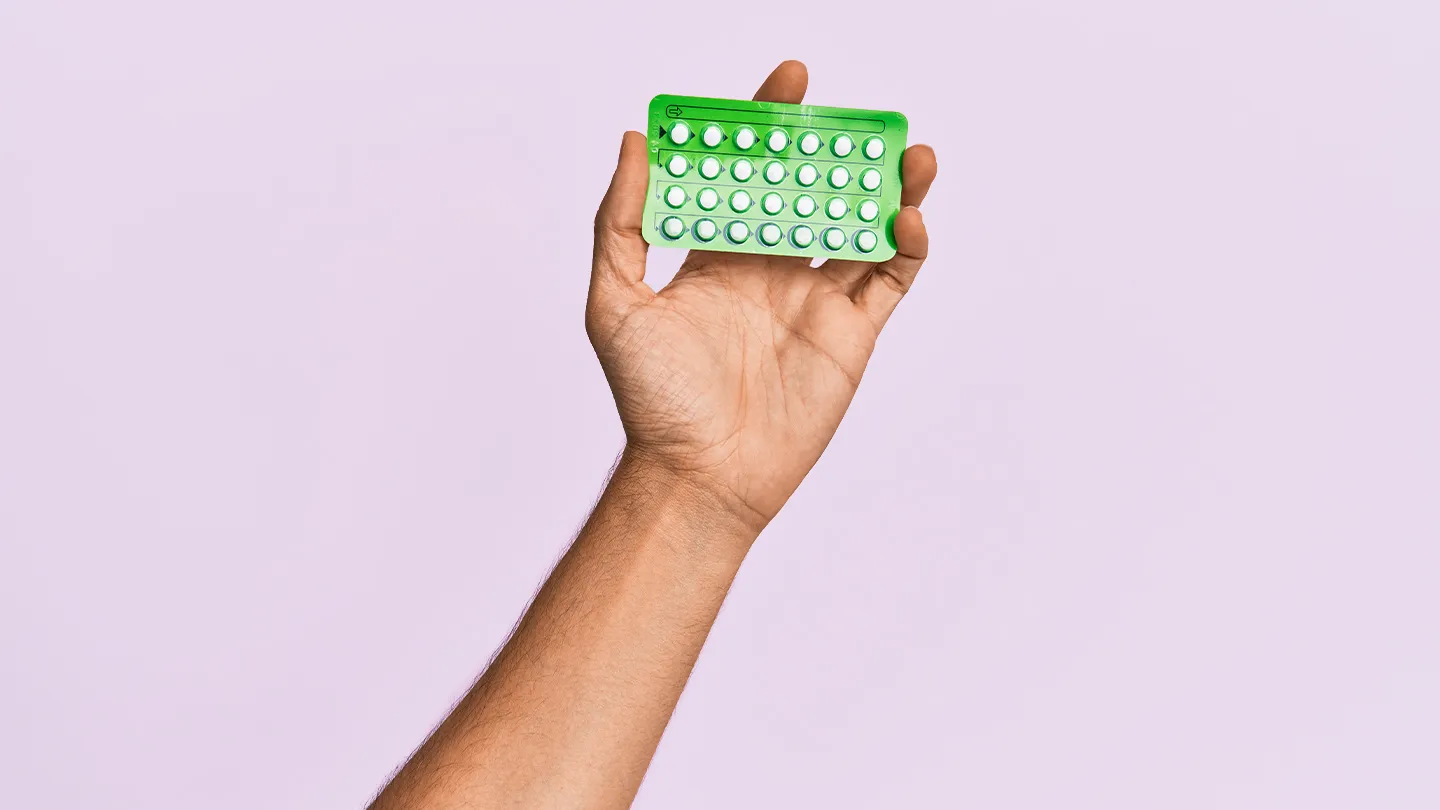
While generally safe, “the estrogen in some hormonal contraceptives may increase the likelihood of blood clots, high blood pressure, and stroke in people with risk factors like smoking and being over age 35,” says Dr. Cheng.
Birth Control Pill
Combination pills, also known as the pill, are the most common type of birth control pill.
Your healthcare provider can help you determine which type of birth control pill is right for you.
Pros The pill can help regulate your menstrual cycle, reduce cramps, and may even clear up acne. It’s about 93 percent effective when used correctly.
Cons It offers no STI protection, and you have to commit to taking it around the same time every day.
Birth Control Patches
Like the pill, patches contain hormones that keep you from ovulating, except you don’t have to remember to take a pill every day.
Cons They don’t prevent STIs, and you have to remember to fill your prescription every month.
Birth Control Rings
Pros They’re 93 percent effective and can be more convenient than the pill, with the same effect on your cycle.
Cons They don’t protect against STIs and products containing silicone or oil can damage them.
Birth Control Shots
Pros It’s 96 percent effective, private, and may be more convenient than a pill or device. It’s progestin-only, which may make it safer for some people.
Cons It requires a healthcare visit four times a year to get the shot and doesn’t protect against STIs.
Birth Control Implants
Implants are another form of long-acting reversible contraceptive (LARC) that can be convenient and effective for many users.
Pros They’re 99 percent effective at preventing pregnancy and last for up to 5 years. Because they’re progestin-only, they may be safer for some people.
Con They don’t prevent STIs, and you may not want a device implanted into your body.