



You can’t scroll through social media or turn on the news without hearing about Ozempic and Wegovy. These new weight-loss drugs are everywhere, and the results look nothing short of miraculous. It’s sparked a huge conversation, but it also makes you wonder: are we so focused on this new ‘quick fix’ that we’re starting to forget what it actually means to be healthy?
The Allure of a Magic Shot
Let’s be honest, the appeal is obvious. For decades, we’ve been told that weight loss is all about willpower, but so many people try and fail, feeling stuck in a cycle of shame. Now, along comes a weekly shot that’s helping people lose 15-20% of their body weight. That feels like a revolution. It’s a promise that you don’t have to grind through another miserable diet just to see the scale refuse to budge.
It’s an incredible, hope-filled story. But is that the whole story?
What We’re in Danger of Losing
The issue isn’t whether these drugs work—for many, they absolutely do. The real worry is what gets lost when we start seeing them as a replacement for diet and exercise, instead of a tool to be used alongside them.
Think about it: exercise is so much more than burning calories. It’s building a heart that can chase your kids around the park, bones that will support you for decades, and getting that mental clarity that only comes after a good sweat. A healthy diet isn’t just about restriction; it’s about flooding your body with the nutrients it’s craving to fight inflammation, keep your energy stable, and make you feel good from the inside out. You can’t get any of that from an injection.
If someone loses weight with medication but still lives on processed food and a prayer, they might look thinner, but have they really gotten healthier? They’re missing out on the strength, resilience, and vitality that come from actually moving and nourishing their body.
This Isn’t a Cure-All
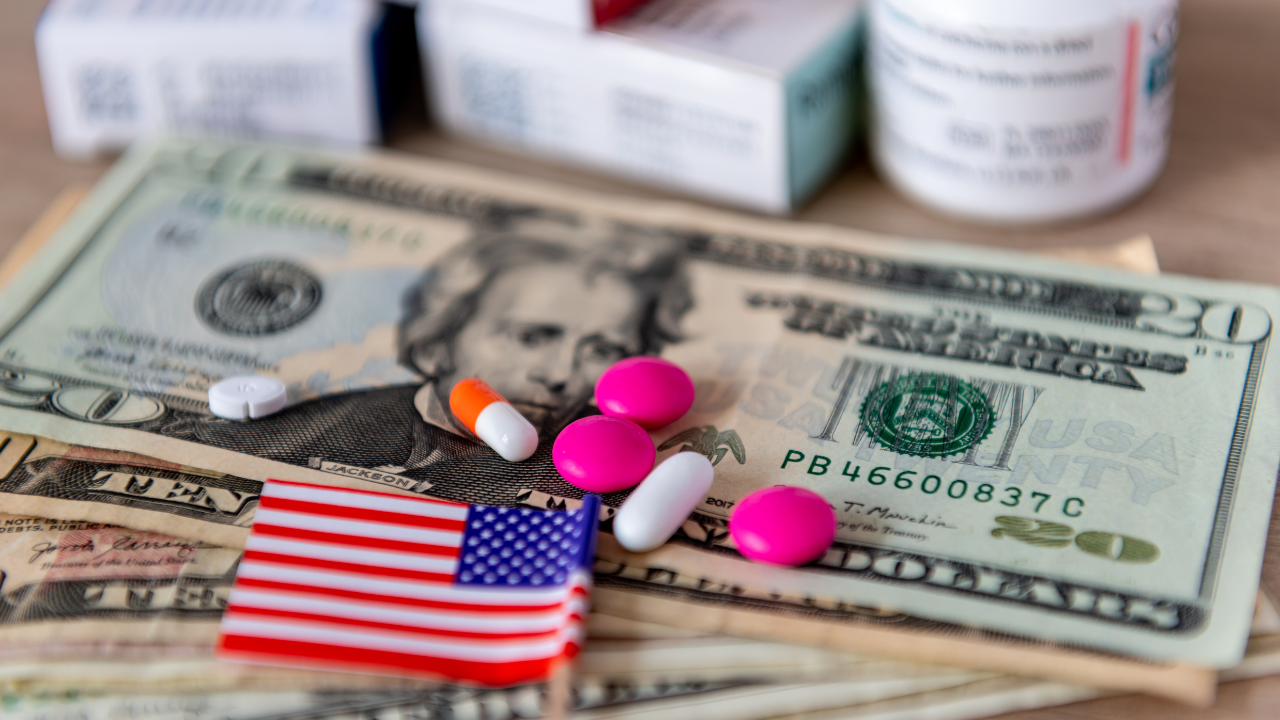
There’s also the stuff the commercials don’t always highlight. For one, you pretty much have to take them forever. The second you stop, the weight tends to come right back. They also come with a laundry list of potential side effects, from constant nausea to the more serious risk of losing precious muscle along with the fat. And let’s not forget the price tag—we’re talking over a thousand dollars a month for many people.
Maybe the biggest question is what we still don’t know. These drugs are new to the scene for mass weight loss. What do we really know about what they do to our bodies after 10, 20, or 30 years of use? We’re in the middle of a massive real-time experiment.
It’s Not “Either/Or”—It’s “Both/And”
Look, this isn’t about demonizing these drugs. For someone who’s been fighting obesity and related health problems for years, they can be a total game-changer. They can break a cycle of frustration and give someone the boost they need to build healthy habits that finally stick.
The key is that these drugs work best when they’re part of a bigger picture. They can be a powerful tool in addition to lifestyle changes, not instead of them. But right now, the cultural hype seems to be skipping that part, treating the pill or shot as the solution and everything else as an afterthought.
Changing the Conversation
So where does that leave us? Maybe the conversation shouldn’t be “pills vs. lifestyle.” Perhaps it should be about how we can help people build genuinely healthy lives, period. Sometimes, that might include medication. But it should always include access to good food, safe places to be active, and support for building habits that last a lifetime.
We can be excited about medical breakthroughs without buying into the idea that there’s a simple shot for a complex problem. We can support people on their journey while still remembering that a pill can never do for our bodies what a good hike or a home-cooked meal can.
The real danger here isn’t the drugs themselves. It’s that in our excitement for a shortcut, we might forget that true health is something you build, not something you inject. And forgetting that could cost us all a lot more than just the number on a scale.
What do you think? Are we getting this balance right, or is the hype around these drugs pushing diet and exercise to the sidelines?