




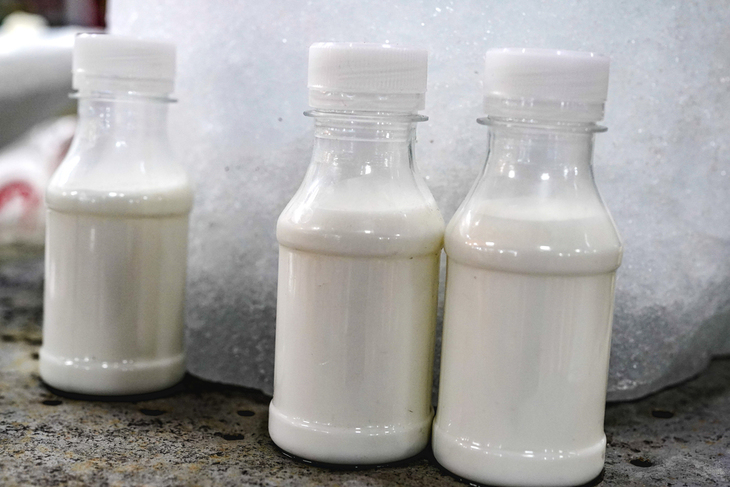
While cow’s milk dominates global dairy consumption, accounting for 81%
of the market, camel milk makes up only about 0.4% of worldwide
production. Most camel milk is produced in arid regions like the Middle
East, where camels thrive in harsh environments. However, semi-arid
regions such as Australia, which already have a growing camel
population, could also increase production and consumption.
Experts point out that camels are well-suited to environments where
traditional cattle farming is challenging. This makes them an ideal
dairy source in regions with limited water and vegetation.
1. A Better Option for Those With Lactose
Intolerance and Allergies
Lactose intolerance affects a large portion of the population, leading
to digestive discomfort when consuming standard dairy products. Camel
milk, with its lower lactose content, may be easier for some people to
tolerate. Research conducted on individuals with lactose intolerance
found that most participants had no reaction to camel milk, while only a
small percentage reported mild symptoms.
Additionally, those with cow’s milk allergies may find camel milk to be a
suitable alternative. Studies on children allergic to cow’s milk
suggest that many of them can tolerate camel milk without issues. Unlike
cow’s milk, which contains proteins that commonly trigger allergic
reactions, camel milk has a different protein structure that makes it
less likely to cause symptoms.
2. Potential to Lower Blood Sugar and Improve Insulin Sensitivity
Camel milk has been shown to help regulate blood sugar levels, making it
a promising option for people with diabetes. The milk contains
insulin-like proteins, which may contribute to its antidiabetic effects.
Research indicates that consuming camel milk can improve insulin
sensitivity and lower blood sugar levels in individuals with both type 1
and type 2 diabetes.
According to experts, camel milk may provide the equivalent of 52 units
of insulin per liter, alongside high levels of zinc, which is believed
to support insulin sensitivity.
One study involving adults with type 2 diabetes found that those who
consumed two cups of camel milk daily experienced improvements in
insulin sensitivity compared to those who drank cow’s milk. A separate
study on individuals with type 1 diabetes observed lower blood sugar
levels in those who incorporated camel milk into their diet, with some
even reducing their insulin dependence.
Interestingly, a review of 22 research articles concluded that 2 cups
(500 ml) of camel milk per day are recommended for improving blood sugar
control in diabetics
3. Immune-Boosting Properties
Camel milk contains bioactive compounds that may help the body fight
infections. Researchers point to two key proteins—lactoferrin and
immunoglobulins—which are believed to contribute to its
immune-supporting effects. Lactoferrin has been studied for its
antibacterial, antifungal, antiviral, and anti-inflammatory properties.
It has been shown to inhibit the growth of harmful bacteria such as E.
coli and Staphylococcus aureus, which can cause serious infections.
One animal study also found that camel milk helped protect against the
side effects of certain cancer treatments by preventing a drop in white
blood cell count. These findings suggest that camel milk may support
overall immune health, though further research is needed to confirm its
benefits in humans.
How to Incorporate Camel Milk into Your Diet
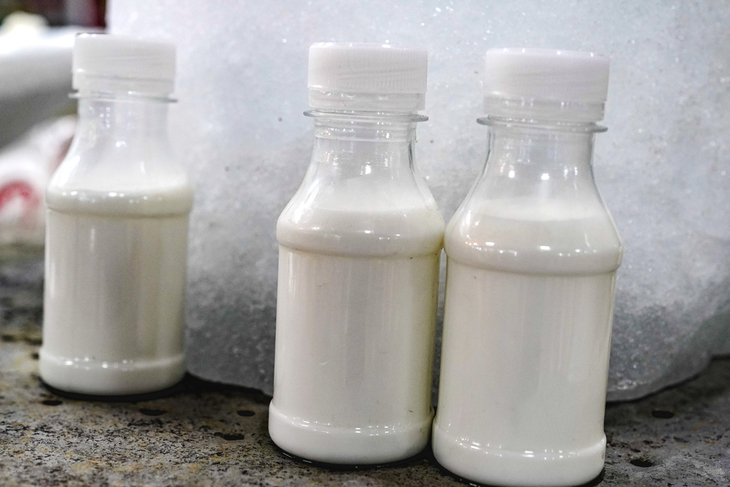
Camel milk can be used in much the same way
as other types of dairy. It can be enjoyed on its own or added to
coffee, tea, smoothies, and various recipes, including baked goods,
soups, and sauces. The taste may vary depending on the region it comes
from, with some describing it as mildly sweet and slightly salty, while
others note a nuttier, smokier flavor.
Unlike cow’s milk, camel milk is more challenging to process into dairy
products such as cheese, yogurt, and butter due to differences in
protein composition. As a result, these products are not as widely
available. However, as demand grows, producers are finding ways to
expand camel milk’s accessibility in different markets.
The Future of Camel Milk
While cow’s milk remains the go-to dairy option for most of the world,
camel milk is gaining recognition for its unique properties. As research
continues, it may become a more widely accepted alternative,
particularly for those with dairy sensitivities or those looking for a
nutrient-rich option with potential health benefits. As availability
increases in regions like Australia, where camels already exist in the
wild, it could offer a sustainable solution for dairy production in
areas where traditional farming is difficult.
For those curious about trying camel milk, it may be worth exploring as
an option that goes beyond traditional dairy, offering a different
approach to nutrition with potential health advantages.