

[ad_1]
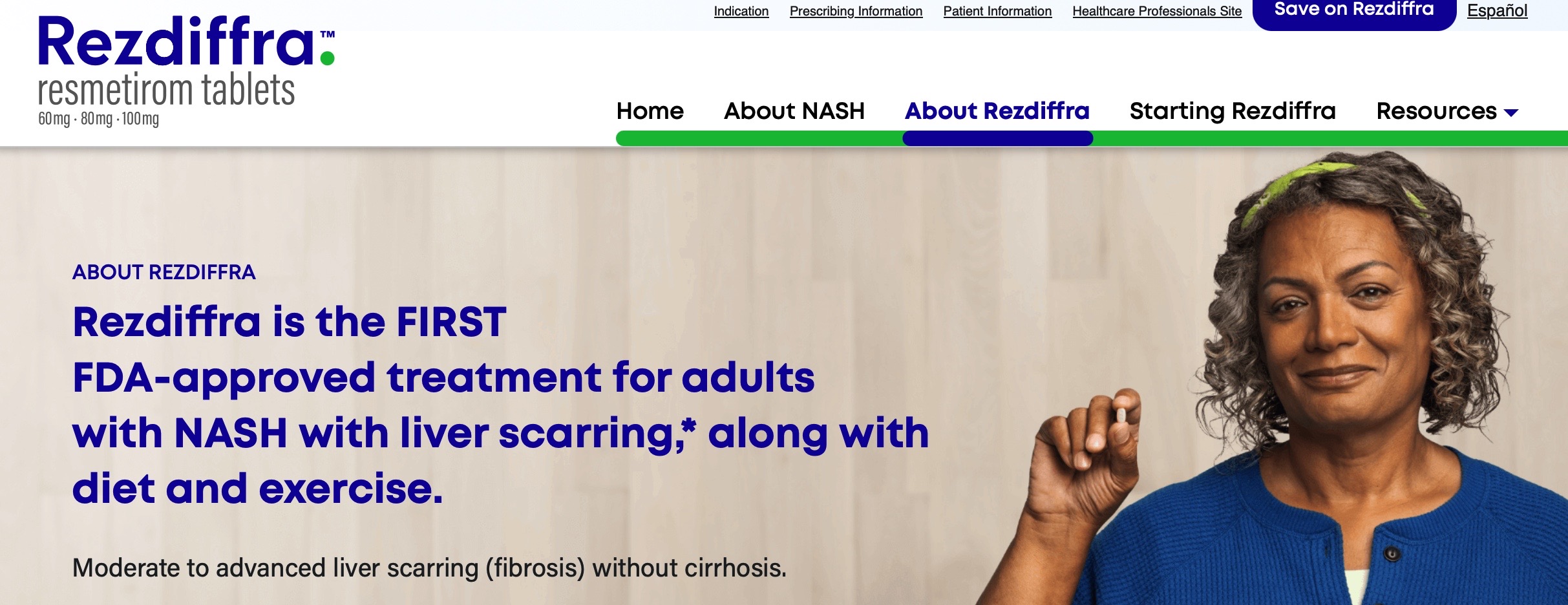
I recently caught a TV spot for Rezdiffra, a treatment for fatty liver disease, and it perfectly encapsulates what’s fundamentally broken about direct-to-consumer (DTC) pharma advertising today. Here’s the problem: The ad jumps straight to branded messaging without any patient education or disease awareness building. No context. No foundation. Just a drug name and a call to action aimed at people who likely have no idea they even have the condition.
The Disconnect
Let’s think about this for a moment. Fatty liver disease—specifically NASH (non-alcoholic steatohepatitis)—is largely asymptomatic. Most people living with it don’t know they have it. They haven’t been diagnosed. They’re not actively seeking treatment because they don’t feel sick.
Yet here’s a TV spot essentially saying: “Ask your doctor about Rezdiffra.”
Ask about it for what, exactly? The assumption that someone will see a 60-second spot, self-identify with a disease they didn’t know existed, and march into their doctor’s office requesting a specific branded medication is not just optimistic—it’s myopic.
What’s Missing: The Educational Foundation
This is where non-branded disease awareness campaigns should come in first. Before you ever mention a drug name, you need to:
- Educate people about the condition: What is fatty liver disease? Who’s at risk? Why does it matter?
- Explain the symptoms (or lack thereof): Help people understand that silence doesn’t mean safety
- Encourage screening and diagnosis: Drive people to have conversations with their doctors about liver health
- Build concern and urgency: Make the invisible visible
Only after you’ve built that awareness does a branded campaign make sense. You need patients who are diagnosed, concerned, and actively looking for solutions. That’s your audience for a drug ad.
The Strategic Failure
Going straight to branded DTC without educational groundwork is like trying to sell someone an umbrella when they don’t know what rain is. You’re asking for a behavior (requesting a specific medication) without creating the conditions that make that behavior logical.
The result? Wasted media dollars. Low conversion. And physicians fielding confused questions from patients who saw “something about the liver” on TV.
A Better Approach
Pharmaceutical companies need to think in phases:
Phase 1: Unbranded disease awareness. Make fatty liver disease a household concern. Partner with patient advocacy groups. Create educational content. Drive screening.
Phase 2: Once you’ve built a base of diagnosed, engaged patients, then introduce your branded solution with clear messaging about how it helps.
This isn’t just better marketing—it’s more ethical. It puts patient education first and sales second, which is exactly how healthcare marketing should work.
The Rezdiffra spot is a symptom of a larger problem in pharma marketing: the belief that awareness of a drug can precede awareness of the disease. It can’t. Not effectively, anyway.
Until pharmaceutical companies invest in the harder, less glamorous work of patient education before they push branded drugs, we’ll keep seeing these misguided campaigns that talk past their audience instead of to them.
The patient journey doesn’t start with a drug name. It starts with understanding. And until pharma gets that right, their DTC dollars will continue to underperform.
What’s your take? Have you seen DTC pharma ads that actually got it right? Let me know in the comments.
[ad_2]
Source link