

You’ve probably heard about the amazing benefits of probiotics
for gut health; these are the healthy bacteria found naturally in
certain foods and drinks that enrich the ecosystem of microbes in our
intestinal walls. But probiotics aren’t the only important nutrient for
promoting a healthy gut microbiome.
When it comes to eating for better gut health, prebiotics
are another key player, as well. But what exactly are prebiotic foods,
and what benefits do they serve in the body? We asked an expert for
everything you need to know.
What Are Prebiotics?
Prebiotics are compounds that “feed healthy gut bacteria and help balance the gut microbiome,” explains Bianca Tamburello, RDN.
Generally speaking, prebiotics are usually classified as a type of
soluble fiber. However, there are many different types of nutrients that
serve as prebiotics in the body, many of which include carbohydrates in
the form of soluble fibers, including oligosaccharides like inulin, and
polysaccharides, including resistant starch and beta-glucans.
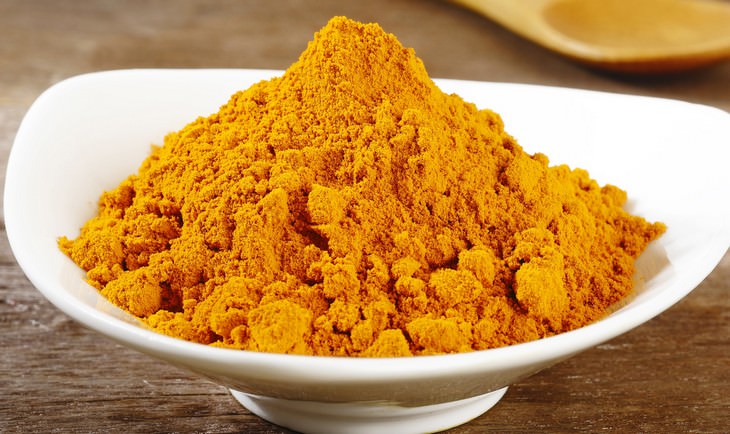
Prebiotic effects can also be seen in many types of plant compounds,
including quercetin and curcumin, as well as polyunsaturated fats like
eicosapentaenoic acid (EPA) and docosahexaenoic acid (DHA).
When these prebiotics reach the gut microbiome, the beneficial bacteria
found there feed on and ferment these nutrients. What results from this
process is a whole host of short-chain fatty acids like butyrate,
propionate, and acetate.
How are Prebiotics Beneficial?
The benefits of prebiotics primarily break down into the benefits that
the short-chain fatty acids have on the body and the impact the gut
microbiome has on our overall health.
Anti-Inflammatory
Short-chain fatty acids have been found to have both anti-inflammatory
and antitumor properties in the body, but especially in colon cells.
Research also shows they may be effective against insulin resistance.5
Gut Health
More generally, prebiotics help the gut microbiome thrive, and a
healthy gut is tied to so many positive outcomes throughout the body.
This group of trillions of microorganisms found in the large intestine
helps to promote healthy digestion, metabolism, and may even work to rid
toxins from the body.
A healthy gut also champions immune health by signaling immune cells to
spring into action, which may very well be why it also plays a role in
chronic disease expression, from metabolic and neurologic disorders to
cardiovascular and respiratory illness.
Finally, gut health is closely linked to brain health—via the gut-brain
axis, suggesting that our mental health can actually be an expression
of our biome health and vice versa.
Recommended Daily Intake
While there are no official recommendations for daily prebiotic intake,
some experts advise somewhere between three and six grams per day in
the form of soluble fiber.10 But given that we now know prebiotics can come in many more forms other than fiber, it can be tricky to keep track of.
Generally, if you’re eating enough fiber-rich foods every day, including a variety of fruits and veggies,
whole grains, and legumes, you should be getting all the prebiotics
your body needs. (The recommendation for daily fiber intake is 25 grams
for adult women and 38 grams for men.11 But aiming for over 30 grams per day is a great goal for everyone to aim for.)
Top Prebiotic Food Options
While most fiber-rich foods will offer some prebiotics thanks to their
plant compounds and soluble fiber, below are some especially excellent
prebiotic food sources. If you get a few servings of some of these
options every day, you can rest assured that you’re meeting your
prebiotic goals.
There are some other prebiotic food MVPs that earn an honorable
mention, including chicory root, dandelion greens, cabbage, apples,
watermelon, burdock, jicama, and whole wheat products, Tamburello says.
1. Alluims
:max_bytes(150000):strip_icc()/spinach-onion-dip-2cdea919d6ef48d380ad5e2e1273633f.jpg)
Members of the allium family are all well-known sources of prebiotics,
but garlic, leeks, and onions are some of the best—thanks to their plant
compounds and high content of oligosaccharides, including fructans and
inulin.
2. Honey
This popular sweetener is not only perfect in a comforting cup of tea
but also helps boost your microbiome health. Due to both the kind of
carbohydrates and plant compounds it contains, honey offers a one-two
punch when it comes to prebiotic benefits.
3. Flaxseed
As an excellent source of EPA, DHA, and soluble fiber, flax really
delivers on the prebiotic front. You’ll want to grind up your flaxseed
first, because otherwise, they’ll pass through the gastrointestinal
(GI) tract in their whole form, causing you to miss out on all of their
incredible health-boosting properties.
4. Seaweed
Whether it’s nori, wakame, kombu, or spirulina, all kinds of seaweeds are going to be fantastic prebiotics.14 Seaweed varieties contain not only a variety of polysaccharides, but polyunsaturated fats as well, including EPA and DHA.
5. Oats
Oats are one of the best sources of soluble fiber and a potent
prebiotic. Whether you make oatmeal or use oats in baked goods,
smoothies, or as breading for proteins, this gluten-free whole grain is
as delicious as it is nutritious.
6. Legumes
:max_bytes(150000):strip_icc()/canned-beans-recipes-cc7696b279014cc79b85fc1acd43ed83.jpg)
All legumes, including beans, peas, and lentils, offer tons of prebiotic benefits—they’re
rich in oligosaccharides, resistant start, and plant compounds. Plus,
they’re packed with protein, helping to boost the satisfaction level of
any meal or snack they star in, whether you’re plant-based or not.15
7. Barley
Barley is a fantastic prebiotic whole grain, thanks to its beta-glucan
content. While often assigned to beef and barley soup, this whole grain
is perfect in salads and grain bowls as well.
8. Berries
It may not come as a shock that fiber-rich berries are also prebiotics,
as they’re great sources of both soluble fiber and polyphenols (or
prebiotic plant compounds). This also lends them to being effective
anti-inflammatory agents throughout the body.
9. Mushrooms
Mushrooms are perhaps an unexpected ingredient for gut health, but
beyond helping the body adapt to stress, these fantastic fungi are chock
full of prebiotic polysaccharides including beta-glucan, helping the
biome to thrive.
10. Cocoa
Then there’s cocoa, which makes this list due to its abundance of
polyphenols. When opting for foods high in cocoa, try to choose options
lower in added sugar to reap the most benefits, like dark chocolate. The
gut benefit of this popular ingredient makes that evening piece of
chocolate that much sweeter.
11. Bananas
Particularly when they are slightly still green, bananas contain a high
content of resistant starch and soluble fiber. They reach the colon and
serve as prebiotics for beneficial gut bacteria instead of getting
digested in the upper part of the gastrointestinal tract. There, they
promote the growth and activity of good bacteria, aiding in maintaining a
healthy gut microbiome.
12. Artichoke
Artichokes (primarily Jerusalem artichokes, also known as sunchokes)
are high in inulin and other fibers that support a healthy gut. The
non-digestible carbohydrate passes through the stomach and small
intestine to essentially feed the beneficial bacteria in the intestines.
13. Asparagus
Asparagus is considered a prebiotic because it contains a significant
amount of inulin, as well. Inulin reaches the colon, where it serves as
food for beneficial gut bacteria and contributes to a healthy gut
microbiome. Asparagus also provides other fibers and nutrients—like
vitamins A, C, E, and K, as well as minerals like iron, potassium, and
magnesium—that support the overall health and well-being.
14. Black-Eyed Peas
:max_bytes(150000):strip_icc()/GettyImages-1449596764-54cd4fc26eb5434ca686d08094cff92f.jpg)
Black-eyed peas, also known as cowpeas, contain soluble fiber that acts
as a prebiotic. These legumes help healthy bacteria grow in the gut
while benefitting its microbiome, and by doing so, digestive health can
improve significantly. Black-eyed peas are also packed with a variety of
essential micronutrients like folate, iron, and thiamine.
15. Kiwifruit
Kiwifruits—known
for their tropically sweet taste—are high in prebiotics that enhance
our lower intestines by contributing to its healthy bacteria. They’re
also easy to incorporate into your favorite salad, relish, or smoothie
recipe.
16. Potatoes
Whole potatoes are one of the healthiest ways to consume this starchy
vegetable, and when we do, the resistant starch is fermented by bacteria
in our colon and fed to our gut as good bacteria. Once the healthy
bacteria is consumed, it can act as an anti-inflammatory food.
17. Soybean
The benefits of soybeans
are endless. For example, this anti-inflammatory legume—often found in
East Asian dishes—is high in prebiotics that can help improve immune
function. In general, they’re a great option for promoting gut health
and may reduce inflammation in the body. Did you know that edamame are
unripe soybeans?
18. Cashews
Cashews
are a fan favorite when it comes to nutritious snacking. They’re also
packed with prebiotic compounds that can help with digestion, gut
immunity, and oxidative stress. The best part about this gut-healthy
snack? You can carry them pretty much wherever you go.
19. Burdock Root
:max_bytes(150000):strip_icc()/GettyImages-840216436-19083904100b4e8f9d321be178b05182.jpg)
If you like artichokes, you’ll love burdock root.
With its similar taste, burdock root contains prebiotic properties that
are an excellent source of inulin, fiber, and other digestive aids that
promote gut health. You can roast, puree, or slice the vegetable and
toss it into any recipes for extra nutrition points.