




Psoriasis is a chronic autoimmune skin condition that causes inflammation in the skin, resulting in red, scaly, and often itchy or painful patches on different parts of the body. Symptoms flare up when an overactive immune system speeds up the life cycle of skin cells, leading to buildup on the surface. Common treatments include topical steroids, oral medications, light therapy, and biologic drugs that target specific parts of the immune system.e60dc2a1-f33c-4a05-9b50-8e3e8e597629f9802b65-bea5-4b53-91b8-82f2b557327f While these treatments can be highly effective, many people with psoriasis are also interested in complementary treatments to help manage symptoms or improve their skin health. Collagen, a key protein in skin, muscles, tendons, and more, is one supplement that often comes up in conversations. But does collagen actually have any benefits for psoriasis that are backed by science?
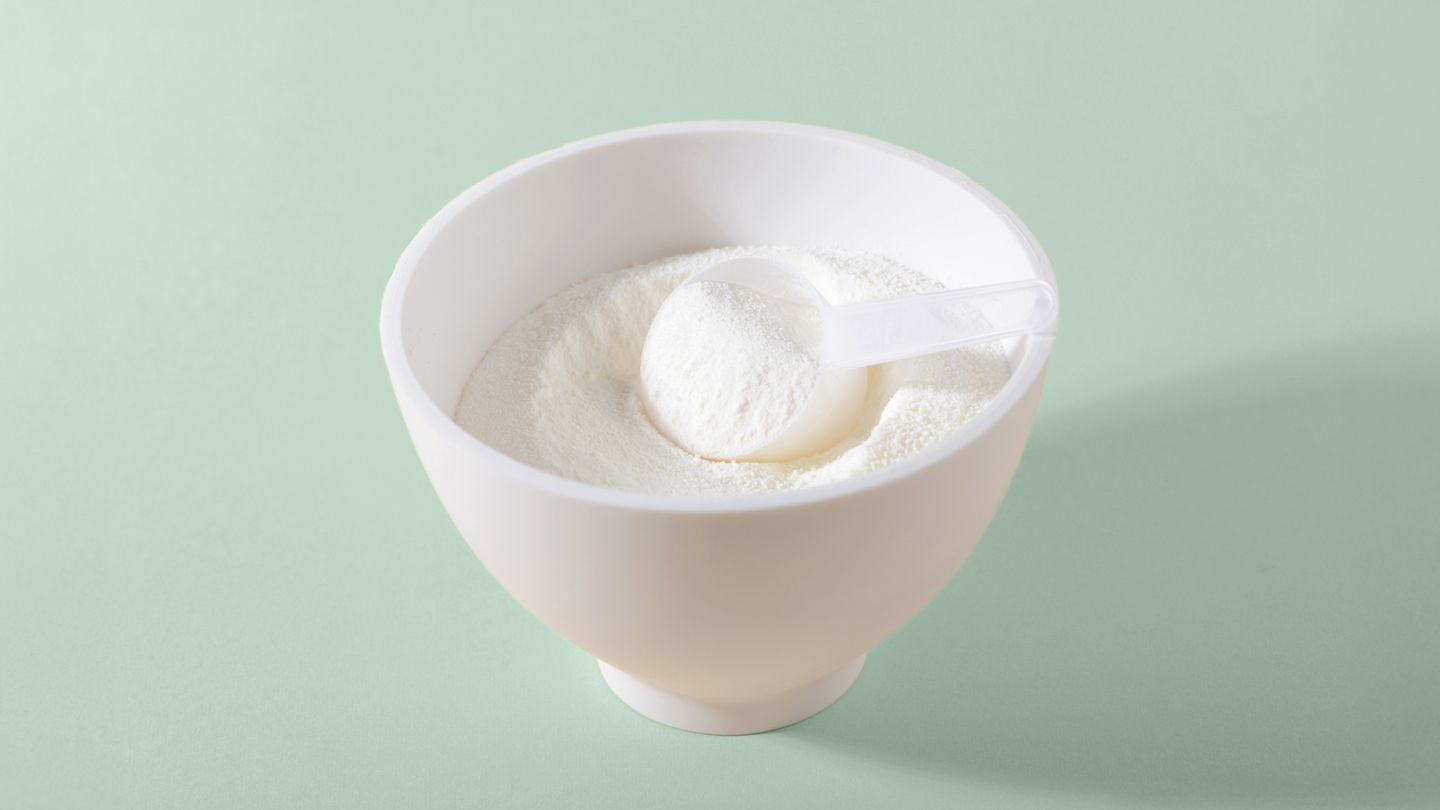
What Is Collagen? What Is Collagen? Collagen is a protein found throughout the body, helping with the formation of skin, muscles, tendons, ligaments, and connective tissues.e60dc2a1-f33c-4a05-9b50-8e3e8e5976294fa79308-0ff3-4df4-95c3-38541a4d7bec But collagen levels in our bodies naturally decline as we get older, which is why collagen supplements are often marketed to improve skin firmness and elasticity.e60dc2a1-f33c-4a05-9b50-8e3e8e5976299b23a2f8-ca5d-4ca6-af3d-b62b71d81d9a “Collagen is the protein that fills the deeper layers of skin, and decreases in collagen with age cause us to look older, with more wrinkles. The concept of collagen supplementation is that you want your body to make more collagen in your skin, so you eat collagen, since it has all the ingredients necessary to make more collagen,” says Steven Daveluy, MD , a professor and the program director at Wayne State University’s School of Medicine in Detroit, where he specializes in treating patients with skin diseases, such as psoriasis and eczema. Collagen can be consumed or used in several ways.e60dc2a1-f33c-4a05-9b50-8e3e8e5976299b23a2f8-ca5d-4ca6-af3d-b62b71d81d9a Orally as a supplement: Collagen supplements are sold in the form of powders, pills, or liquids. Most are made up of collagen peptides or hydrolyzed collagen, which are broken-down forms of the protein that are easier to absorb. They’re sometimes paired with additional nutrients related to skin and hair health, like biotin , vitamin C, or zinc. Topically: Collagen is also included in many creams and serums, but it’s effectiveness in boosting collagen production is questionable, says Steven Feldman, MD, PhD , a professor of dermatology at Wake Forest University in Winston-Salem, North Carolina. That’s because topical collagen is too large to seep through the skin and into the body, so it only works on the outside like a moisturizer. “If you’re putting it on the skin, it wouldn’t be absorbed. It would just sit on the surface,” Dr. Feldman says. Through food: Foods high in collagen, such as bone broth , won’t directly raise your collagen level, because your body can’t absorb whole collagen; it has to break it down into amino acids first. But it is thought that eating foods rich in the amino acids that make collagen — glycine, proline, and hydroxyproline — as well as foods containing vitamin C, zinc, and copper, which are necessary for collagen production, can boost collagen production in the body.e60dc2a1-f33c-4a05-9b50-8e3e8e597629aeebf0b2-e431-40e1-aa93-9c131534b260 This is the preferred route for building collagen and supporting the collagen production process from within, Dr. Daveluy says. “A healthy diet already has those same amino acids and vitamins [as a collagen pill]. I’m a big fan of getting your nutrients from a healthy diet instead of supplements.”
What Is Collagen Used For? What Is Collagen Used For? One of the primary uses of collagen is to counter the changes associated with skin aging. As we age, collagen production naturally declines, contributing to wrinkles, sagging, and dryness. Some studies suggest that oral collagen may help to improve skin elasticity, hydration, and fine lines.e60dc2a1-f33c-4a05-9b50-8e3e8e5976290611c6b1-0bfb-4d1b-a596-f0ec4521a55c Collagen is also used in medicinal and cosmetic purposes including:e60dc2a1-f33c-4a05-9b50-8e3e8e597629deb29d8c-662b-42be-908f-d0ab9f6bd2ac Collagen injections and collagen-stimulating fillers are used to fill in lines and wrinkles in the skin. Collagen wound dressings stimulate wound healing. Oral collagen supplements may reduce joint pain and improve joint function, especially when paired with exercise.e60dc2a1-f33c-4a05-9b50-8e3e8e59762960267d80-39c5-41a2-b07b-a255d373204f Vascular prosthetics, using donor collagen tissue grafts, are used to reconstruct arteries and make blood vessel prostheses.
Why Collagen Might Have Benefits for Psoriasis Benefits for Psoriasis There is no strong evidence that collagen has any positive effect on psoriasis — and there isn’t an obvious link between the two, says Chris Adigun, MD , a board-certified dermatologist in private practice in Chapel Hill, North Carolina. “There is currently no clinical evidence to support taking a collagen supplement to improve psoriasis severity,” Dr. Adigun says. “Psoriasis is an inflammatory disease — it’s a disorder of the immune system that leads to [a rapid buildup of skin cells], but it’s also a systemic inflammation that leads to joint pain. Collagen has no place in any of that. They’re just not connected,” she says. There are theoretical reasons collagen might offer support for some people with psoriasis; but these benefits aren’t related to treating the autoimmune condition directly, Daveluy says. “Studies have shown that collagen peptides can have an anti-inflammatory effect on the skin, but it hasn’t been shown if this is helpful in psoriasis or other skin diseases,” he says. It can help with moisturizing skin and healing the skin barrier, which are important if psoriatic skin is cracking and damaged, too, for example, Adigun says. But other treatment options yield better, evidence-based, results, such as topical steroids and systemic medications. “That’s where we should focus our efforts. However, if [people are] interested in improving the appearance of their skin, its hydration and elasticity, and potentially improving wrinkles over a long period, then that would be the only place that oral collagen would have any role in their treatment plan,” Adigun says.
What the Research Shows About Collagen and Psoriasis What the Research Shows Research specifically testing collagen as a treatment for psoriasis is limited. In a small study published in 2012, researchers tested a bovine-based collagen added to petroleum jelly — or Vaseline — for four to six weeks on 12 patients with plaque psoriasis. The study reported improvements in scaling, redness, and the overall appearance of plaques on participants’ skin.e60dc2a1-f33c-4a05-9b50-8e3e8e5976296213eb62-2419-4581-a305-5a28a84ede61 But the study had several limitations, according to Feldman: a very small sample size, no control group, and a short duration. “If you just put Vaseline on the skin, scales can disappear, psoriasis can improve, and the itch could get better. Without a control, there’s no way to know if this is any better than just plain Vaseline,” he says. The study was also open label, which means participants knew what treatment they were receiving, unlike blinded studies where this information is hidden to prevent biases. “The improvement may be due to the placebo effect: if you believe a treatment will work, it actually will,” Daveluy says. A review published in 2019 that included 11 studies and 805 study participants looked at whether oral collagen supplementation was effective across skin aging, wound healing, and medical dermatology. While the review found some evidence that collagen boosts skin elasticity, hydration, and dermal density, the authors said further research is needed to figure out if collagen plays a role in medical uses for skin diseases, such as atopic dermatitis and psoriasis.e60dc2a1-f33c-4a05-9b50-8e3e8e597629d3f67a0a-4615-477d-b67f-be7dea2db548 It’s an area that requires far more high-quality research — and clinical trials in people with psoriasis. “The collagen studies have focused on the anti-aging effects,” Daveluy says.
Talk to Your Doctor About Collagen Supplements Talking to Your Doctor If you’re considering collagen — either orally or topically — it’s important to discuss it with your dermatologist, says Adigun. Helpful questions to ask include: Is topical collagen safe to apply to my skin? Can collagen — oral or topical — interfere with my current psoriasis medications? Is oral collagen safe for me, given my medical history? Are there specific ingredients I should avoid in collagen products? Adigun says some people’s skin may be hypersensitive to new topical products. Daveluy also warns that patients with food allergies, especially to fish or shellfish, should check the source of any collagen product. It’s important to note that the U.S. Food and Drug Administration (FDA) doesn’t regulate supplements, including collagen, which means they do not need to be proven safe or effective before they go on sale.e60dc2a1-f33c-4a05-9b50-8e3e8e5976293fed94cf-ae9b-4a87-acd4-55c2cafb9434 You should do your research and consult with your healthcare team to choose a high-quality supplement from a trusted brand, Feldman says. Ask your healthcare team about other complementary treatment options aside from collagen, too. “Talk to your dermatologists about treatments that actually have evidence that they are beneficial for psoriasis. Your skin and your wallet will thank you,” Daveluy says.
The Takeaway Psoriasis is a chronic autoimmune condition that causes skin cells to grow faster, leading to itchy, inflamed, scaly patches. It’s typically treated with topical steroids, light therapy, oral medications, or biologics that target immune system pathways. Collagen piques people’s curiosity because it’s marketed as a supplement to boost skin health. But research showing benefits of collagen for psoriasis management is limited. Dermatologists note there’s no clear or direct connection between collagen supplementation and improving psoriasis itself. Talk to your doctor before trying collagen, whether oral or topical, to avoid potential adverse effects from allergies, interactions with current treatments, or products that may irritate already inflamed skin.
Source link
Does Collagen Have Any Benefits for Psoriasis?