





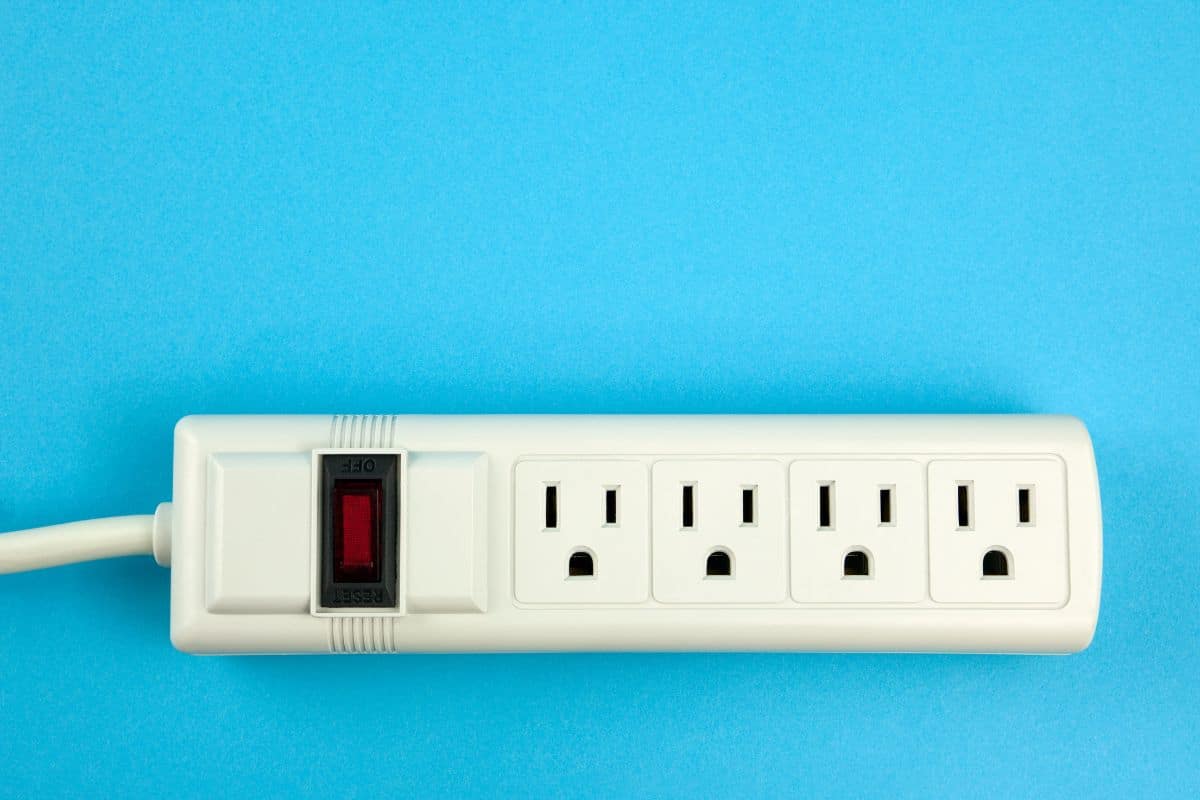
Power strips have become essential household items, yet their convenience masks potential dangers that electrical professionals frequently emphasize. Understanding where these devices should never be positioned can literally save lives and prevent devastating property damage. Every year, electrical incidents claim hundreds of lives and cause thousands of fires, with improper power strip placement being a significant contributing factor.
The hidden fire hazard in your home
Electrical professionals consistently warn against positioning power strips near flammable materials. This seemingly obvious advice is often ignored, creating dangerous situations in countless homes. Curtains, rugs, upholstered furniture, and paper products should always be kept at a safe distance from these electrical devices. The reason is straightforward yet critical : electricity flowing through connections generates heat, and any malfunction can produce sparks capable of igniting nearby combustible materials within seconds.
The statistics paint a sobering picture of electrical safety concerns. In many developed countries, electrical malfunctions account for approximately 20 to 35 percent of annual residential fires. Among these incidents, improper power strip usage represents a substantial percentage. These aren’t just numbers; they translate to real families experiencing loss, injury, and trauma. Beyond fires, electrical accidents cause thousands of serious injuries annually, with several hundred proving fatal.
Textile items pose particular risks when positioned adjacent to electrical outlets and power strips. Fabrics can easily catch fire from a single spark, and once ignited, flames spread rapidly through synthetic materials commonly found in modern home furnishings. This is why electricians emphasize maintaining clearance zones around all electrical connections. Many people make this mistake with their phone charger, and it quickly drives up the electricity bill, creating additional strain on electrical systems that increases fire risk.
Water exposure creates deadly combinations
Moisture represents another critical hazard that electricians repeatedly highlight. Bathrooms and kitchens immediately come to mind as obvious places to exercise caution, but there’s another location that catches many homeowners off guard : near windows. This placement error is surprisingly common yet extraordinarily dangerous. When windows remain open during rainfall, water can easily reach power strips positioned nearby, creating immediate short-circuit conditions.
The physics behind water and electricity interaction is unforgiving. Water conducts electricity efficiently, and when moisture contacts energized circuits, it creates pathways for current to flow where it shouldn’t. This can trigger electrical fires, cause severe shocks, or damage expensive equipment. Kitchen sinks, bathroom counters, and laundry areas all present obvious moisture risks, but window areas often escape consideration until disaster strikes.
Weather changes happen unpectedly, and an open window during a sudden storm can introduce moisture into areas previously considered dry and safe. Condensation also accumulates near windows, especially during temperature fluctuations, creating sustained moisture exposure rather than just brief contact. Professional electricians recommend positioning power strips at least three feet away from any window opening, regardless of how frequently those windows are opened. This precautionary distance provides a safety buffer that accommodates various scenarios, from driving rain to interior condensation patterns.
High-wattage appliances require dedicated circuits
Another crucial safety principle involves understanding which devices should never share power strip connections. Electricians maintain a comprehensive list of appliances that demand direct wall outlet connections rather than power strip intermediaries. These items share a common characteristic : high electrical consumption that can overwhelm power strip capacity when operating simultaneously.
The list of appliances requiring dedicated connections includes space heaters, vacuum cleaners, microwave ovens, coffee makers, electric kettles, hair dryers, toaster ovens, portable air conditioners, dishwashers, washing machines, clothes dryers, refrigerators, freezers, and clothing irons. Each of these devices draws substantial current, and combining multiple high-consumption appliances on a single power strip creates dangerous overload conditions. Similar to science finally agrees on the most efficient and economical heating system, understanding electrical capacity helps optimize both safety and efficiency.
Overloaded circuits generate excessive heat within power strip components, degrading insulation and increasing fire risk exponentially. The internal wiring of standard power strips isn’t designed to handle sustained high-amperage loads from major appliances. When multiple devices operate concurrently through a single strip, the cumulative electrical demand can exceed safe operational parameters. This situation represents one of the most preventable yet common electrical hazards in modern homes, just as using the quick wash program on the washing machine is actually a bad idea for efficiency reasons.
Essential safety practices for power strip usage
Beyond placement considerations, electrical experts advocate several operational practices that significantly reduce risks. First among these recommendations : unplug power strips when not actively in use. This simple habit eliminates standby electrical flow and removes any potential for malfunction during idle periods. Alternatively, switching off the power strip’s integrated circuit breaker provides similar protection while maintaining connection convenience.
Another critical safety principle prohibits daisy-chaining power strips together. Connecting one strip to another creates compounding overload potential that bypasses built-in safety mechanisms. Each power strip possesses specific amperage ratings, and series connections circumvent these protective limits. This practice essentially creates an unregulated electrical network within your home, increasing fire and shock hazards substantially.
Regular inspection routines also contribute significantly to electrical safety. Check power strips periodically for these warning signs :
- Discoloration or scorch marks on the housing
- Loose or damaged outlet receptacles
- Frayed or exposed wiring near plugs
- Unusual warmth during operation
- Burning odors or melted plastic smell
Quality matters significantly when selecting power strips. Models featuring surge protection, circuit breakers, and indicator lights provide additional safety layers compared to basic designs. While these enhanced units cost more initially, they offer protection for both occupants and expensive electronic equipment. Much like innovations in electric vehicle technology improve automotive safety, advanced power strip features enhance household electrical safety substantially.
Building safer electrical habits throughout your home
Implementing comprehensive electrical safety extends beyond individual power strip management to encompass broader household practices. Position all electrical connections in visible, accessible locations rather than hidden behind furniture or underneath rugs where problems develop unnoticed. This visibility enables regular monitoring and ensures that warning signs receive prompt attention before escalating into serious hazards.
Education represents perhaps the most powerful safety tool available. Ensure all household members understand proper power strip usage, particularly regarding prohibited appliance combinations and placement restrictions. Children especially benefit from clear explanations about electrical safety, as curiosity can lead to dangerous experimentation with outlets and connections.
Professional electrical inspections provide valuable assessment opportunities, particularly in older homes where wiring may not meet current safety standards. Licensed electricians can evaluate your home’s electrical infrastructure, identify potential hazards, and recommend upgrades that enhance overall safety. These assessments often reveal hidden problems that homeowners wouldn’t detect independently, making them worthwhile investments in family protection and property preservation.