



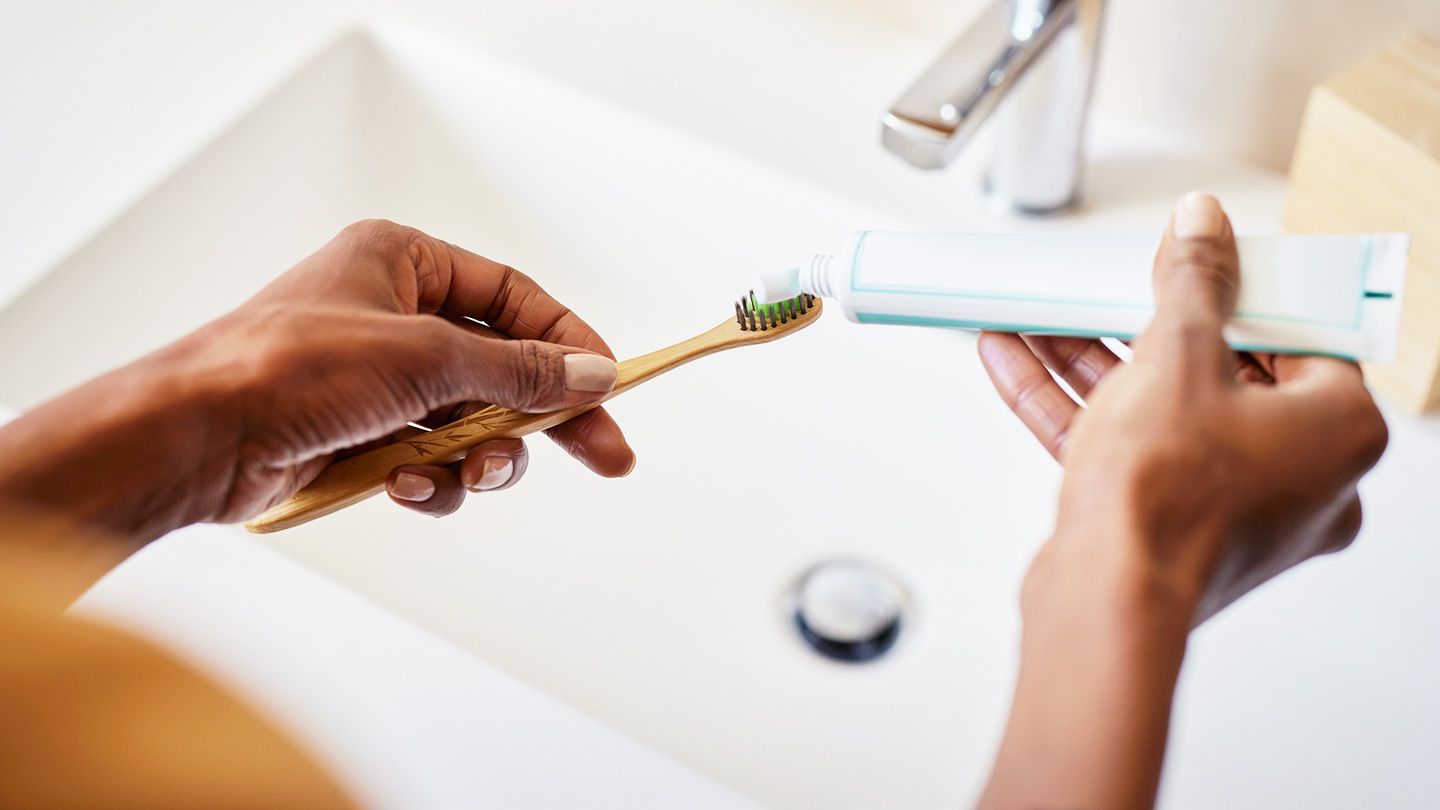
If you’ve been brushing your teeth as long as you can remember, chances are you haven’t taken much time to reflect on your form, and the oral health habit is pretty much second nature.
But some common dental myths could be sabotaging your efforts. Here, oral health experts share mistakes you might be making when brushing your teeth and what to do instead.
1. Brushing Too Hard
Brushing too hard can also contribute to gum recession, which exposes the surfaces of the roots of your teeth and can lead to sensitivity and decay, Eagle says.
Fix It Practice holding your toothbrush with just your thumb and first two fingers, says Anjali Rajpal, DMD, cosmetic dentist and founder of Beverly Hills Dental Arts in Beverly Hills, California. That helps you apply less pressure than if you’re gripping your brush with your entire fist. Plaque is very soft, and all it takes to brush it away is gentle movement of the bristles, she says.
Eagle recommends considering an electric toothbrush with a pressure sensor, which vibrates to alert you if you’re pressing down too hard.
2. Not Brushing Long Enough
Fix It Set a timer. “Some electric toothbrushes have time sensors, so that way you can make sure you’re staying in each area long enough before you move to the next area,” Rajpal says. The timer vibrates the brush so you know it’s time to move to the next section, Eagle says.
“If you’re using a manual toothbrush, you just have to time it yourself,” Rajpal says. Try setting a 30-second timer for each section of your mouth, rather than setting one two-minute timer.
3. Using the Wrong Toothbrush
4. Keeping a Toothbrush Too Long
Rajpal gives her patients a new toothbrush every few months when they visit. “Every three or four months is a good time to refresh it, because the bristles get splayed, and it’s not as effective as a brand-new brush,” she says.
5. Brushing Too Soon After Eating
If you drink coffee and then immediately brush your teeth, you’re making a common toothbrushing mistake. After eating or drinking anything acidic, like coffee, wait at least an hour before brushing. Acid softens tooth enamel, leaving it more susceptible to damage from brushing, Eagle says.
The same applies after vomiting. After you throw up, even though it may leave behind an unpleasant taste, it’s safest for your teeth to rinse with water or even milk rather than brushing right away, Eagle says.
6. Brushing Back and Forth or Up and Down
Not using a circular motion can also increase your risk of gum recession and enamel erosion, Eagle says.
Fix It Start by holding your toothbrush so the bristles are at a 45-degree angle from your teeth, Rajpal says. Then use a rolling motion to create small circles along your teeth close to your gum line, which also helps you better clean your gums. “If you’re just going straight across, you’re probably not going to get into the gums very well,” Rajpal says.
7. Forgetting the Gums
Fix It Once again, hold your toothbrush so the bristles are at a 45-degree angle, touching the line where your gums meet your teeth, Rajpal says. This angle helps remove buildup where the teeth meet the gums, Eagle says.
8. Overusing Whitening Toothpastes
Fix It Whitening toothpastes take longer to work than whitening strips and paint-on gels, and they may cause more damage than a whitening rinse. Rather than using a whitening toothpaste exclusively, try swapping to less-abrasive products after a few weeks.
9. Using an Electric Toothbrush Like It’s Manual
The heads of electric toothbrushes move in small circles, the recommended motion for brushing your teeth. “It’s doing the work for you,” Rajpal says. That means you don’t need to make circles yourself, and you definitely don’t need to brush hard and fast.
10. Only Brushing in the Morning
Fix It Try to get in the habit of brushing twice a day. When you’re short on time, at least brush before bedtime, Eagle says.
The Takeaway
- Brushing your teeth twice a day for at least two minutes each time can help protect your oral health and ward off tooth and gum issues. Still, toothbrushing mistakes are common.
- Common dental missteps include brushing your teeth too hard, not using circular motions, and brushing right after eating.
- Use a soft toothbrush and gentle toothpaste, following the correct motion for your type of toothbrush. And be sure to include your gumline as you brush.
- Replace your toothbrush every few months, and swap it sooner if the bristles look worn or after an illness.