



Reducing your sugar intake can be challenging because much of the sugar we consume is hidden within processed foods. As a result, you may not even realize how much sugar you’re actually eating. Beal recommends starting small and focusing on swaps, not sacrifice.
“Sugar isn’t bad. The key is keeping it in check while prioritizing whole, minimally processed foods that nourish your body,” she says.
Here are some practical tips to help you cut down on your sugar intake:
- Learn the Lingo Sugar comes in many forms and goes by many names, including brown rice syrup, corn syrup, molasses, coconut sugar, honey, date syrup, dextrose, barley malt, and agave. Familiarize yourself with the different forms.
- Identify Hidden Sugars Look for added sugars on nutrition labels of the foods and beverages you purchase. “I encourage people to become informed consumers and learn to read nutrition labels,” says Feller. “The added sugars are listed on all packaged goods.” Some products to scrutinize more closely include condiments, sauces and marinades, cereals, and flavored yogurt.
- Cut Back on Added Sugars Try cutting the amount of sugar you regularly add to beverages or food. “When cooking at home, making swaps such as using whole fruit in place of added sugar can significantly reduce the total sugar content,” says Feller. She also recommends cutting the amount of sugar any recipe calls for in half.
- Taper Gradually “Reduce how much sugar you add to coffee or cereal each week to help your taste buds recalibrate, says Beal. She also suggests “flavoring smarter,” by using cinnamon, vanilla, citrus zest, or berries for sweetness without sugar.
- Cut Down on Sugary Beverages Rethink your drinks. “Water, seltzer with fruit slices, or unsweetened tea can cut sugar intake dramatically,” says Beal
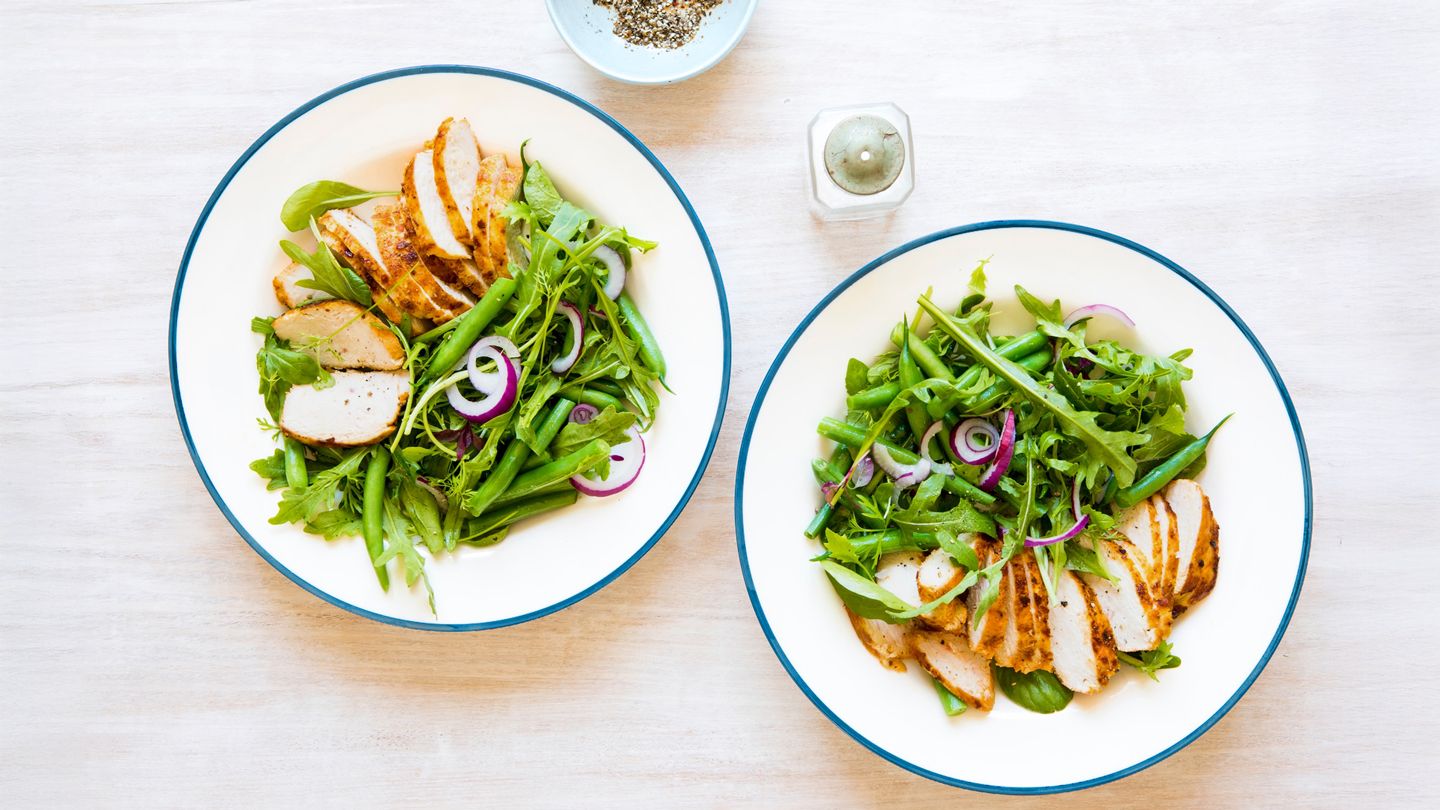
- Choose Whole Foods As much as possible, eat whole foods that are minimally processed and unrefined. These foods are packed with nutrients and free from added sugar.
What About Artificial Sweeteners?
- Acesulfame potassium
- Advantame
- Aspartame
- Neotame
- Saccharin
- Sucralose
“Low- and no-calorie sweeteners are a good alternative for people who are looking for sweet taste without added sugars,” says Feller. “It’s really a case of personal preference. Many of my patients prefer monk fruit or stevia.”
Beal agrees and notes that these alternatives can help women reduce added sugar, especially when transitioning away from sugary beverages or desserts.
The FDA and other health agencies around the world consider artificial sweeteners to be safe for use among the general population. However, some research suggests that when you use artificial sweeteners every day and over a long period of time, there may be a higher risk of stroke and heart disease.
“My advice is to use them sparingly — as a bridge and not a crutch,” says Beal. “If you rely heavily on sweeteners, you may still crave sweet tastes. For the best long-term results, focus on retraining your palate with naturally sweet whole foods like fruit, sweet potatoes, and dairy.”