


Based on the teaching of Dr. Jonathan Kuttner, MD
Trigger points are as old as human movement itself, yet as modern therapists we’re still refining the way we understand and treat them. Over the past few decades, our knowledge has expanded dramatically—not only in terms of palpation and soft-tissue technique, but also in the underlying neurophysiology that explains why certain treatments work. Among the simplest and most effective supportive tools we have are ice and heat. Therapists have used temperature therapeutics for generations, but few appreciate the depth of what these modalities actually do at the level of the nervous system.
Dr. Jonathan Kuttner has spent years teaching the science of pain, trigger points, and safe manual therapy. In his explanation of how and why ice and heat influence trigger points, he gives us a vivid understanding of the reflex arcs, the dorsal horn, the role of fascia, and the way temperature can interrupt or modulate pain signalling. What follows is a comprehensive, therapist-friendly guide inspired directly by his talk—expanded, contextualised, and written with the practical needs of massage therapists, manual therapists, and rehabilitation professionals in mind.
If you’ve ever wondered why applying ice at the end of a trigger point session works so profoundly, or why some clients feel “worse before better” without heat, this blog will give you a clear and useful roadmap.
Understanding the Trigger Point Reflex Arc
To appreciate why temperature affects trigger points, it’s essential to understand what’s happening in the tissue and in the nervous system. Trigger points sit in muscle fibres that are stuck in a contracted, energy-deficient state. They form a kind of micro-spasm—muscle fibres that cannot release because they’re caught in an abnormal feedback loop at the spinal cord level.
Dr. Kuttner describes the loop simply: when a trigger point is active, nociceptive (pain) signals travel along the sensory nerve to the spinal cord. At the dorsal horn, these signals become amplified. From there, the spinal cord sends messages back to the muscle telling it to stay tight. Meanwhile, the tight muscle continues to send pain signals upward. And so the loop continues—tension, pain, more tension, more pain.
That loop is the trigger point reflex arc.
You can think of it like a fire alarm that won’t switch off. Even after the smoke has cleared, the alarm keeps sounding because the internal circuitry is stuck.
Our job as therapists is to interrupt that loop long enough for the tissue to reset itself. And one of the simplest and most reliable ways to do this is cold.
Why Ice Works: Interrupting the Loop
Cold is one of the most powerful neurological interrupters we have. When you apply ice to a trigger point, you’re changing the type and intensity of signals entering the spinal cord. Instead of pain signals travelling along the A-delta and C fibres, the cold activates a different set of sensory fibres. These compete with, override, and effectively interrupt the nociceptive traffic.
Dr. Kuttner highlights a crucial point: the analgesic effect of cold is not primarily a surface phenomenon. Yes, ice numbs the skin, but what really matters is the way cold input alters the signalling balance inside the dorsal horn. It’s the same principle behind gate control theory—when non-painful sensory input is strong enough, it can “close the gate” on pain.
What’s fascinating is that you only need a short exposure to cold to accomplish this. Cold shocks the system into momentarily forgetting its original signal pattern. In that small window, the reflex arc weakens, the muscle receives fewer “contract” messages, and the fibres can begin to release.
This is why so many therapists finish a trigger point treatment with a short application of cold. It’s a neurological reset button.
Why Ice Should Be Moved, Not Held Still
One of the most important clinical details Dr. Kuttner teaches is that the ice should be moving, not static. When you hold ice in one place, the receptors in the skin adapt quickly. The cold stops being a novel signal. The analgesic effect diminishes. And in some cases, static cold can irritate the tissue rather than soothe it.
But when ice is stroked or moved across the area, the receptors fire continuously. The nervous system pays attention. And the changing input keeps the dorsal horn engaged in processing cold, not pain.
This is the principle behind the old “ice-and-stretch” method—but it remains clinically valuable even in modern practice. Whether you use an ice cube wrapped in a cloth, a cold roller, a chilled tool, or a reusable cryotherapy stick, the idea is the same: keep the sensory system active with dynamic cold.
Fascia, Trigger Points, and Why Clients Feel Pain Far From the Source
Dr. Kuttner draws attention to a piece of anatomy that therapists are intimately familiar with: fascia. He describes it as an “extraordinary structure,” and he’s right. Fascia is richly innervated—densely packed with nociceptors, mechanoreceptors, and proprioceptive sensors. When fascia becomes irritated or sensitised, it can create widespread discomfort or strange referral patterns that clients find difficult to describe.
This is why a trigger point in the trunk may produce what feels like deep organ pain, or why a point in the glute med can mimic trochanteric bursitis. The fascia in the region may be inflamed or hypersensitive, amplifying the sensation.
Cold influences fascia in two ways:
-
Neurologically, by interrupting nociceptive signalling.
-
Mechanically, by reducing superficial and deep tissue metabolic demand, which can calm an inflamed fascial sheet.
As therapists, when we work on trigger points embedded in or adjacent to fascial layers, cold becomes a remarkably effective ally.
Descending Inhibitory Pathways: The Body’s Own Painkillers
The final piece of the puzzle is the brain’s built-in pain control system: the descending inhibitory pathways.
When we apply cold—or do high-quality manual therapy—the brain responds. It sends inhibitory signals downward through the spinal cord, dampening the transmission of pain messages. This system involves neurotransmitters like serotonin, noradrenaline, and endogenous opioids. Dr. Kuttner explains that good trigger point therapy stimulates these pathways, enhancing the body’s own capacity to suppress pain reflexes.
This is the same mechanism behind the sense of calm and relief clients often feel after treatment. The body has chemically shifted into a more regulated state.
Understanding this is empowering for therapists. It reminds us that we are not just mechanically manipulating tissue—we are influencing the nervous system.
But What About Heat? Why Warmth Helps After Treatment
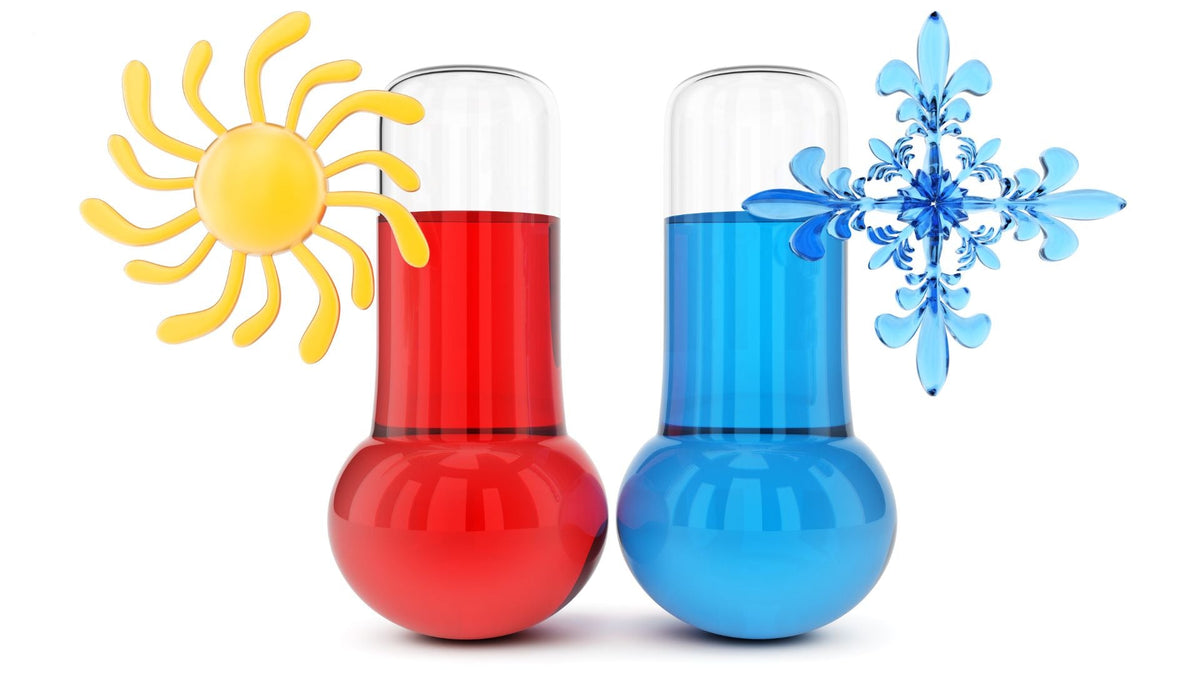
Ice interrupts the loop.
Heat helps the system reorganise itself after the loop has been broken.
Dr. Kuttner explains that clients often feel sore after trigger point work because the treated fibres were previously hypoxic (oxygen-starved). When the fibres finally let go, the area temporarily experiences metabolic turbulence—almost like a backlash. Heat helps manage this by increasing circulation, easing secondary muscle guarding, and restoring oxygenation.
This is why therapists frequently recommend heat at home after a session, even if the treatment itself involved cold.
Heat is the “aftercare” modality:
It stabilises the tissues that have just reset.
Using Ice and Heat: Practical Guidelines for Therapists
Here is a simple, conversational summary of how therapists typically use these modalities in practice. (Kept minimal to respect your requirement for sparse bullet points.)
-
Ice is best used during or immediately after trigger point release to interrupt the reflex arc.
-
Move the ice continuously—never hold it in place.
-
Heat is best used after the session to promote circulation and reduce post-treatment soreness.
-
Heat should not be used on fresh injuries or obvious inflammation.
-
Clients should be instructed on safe temperature use to avoid burns or cold injury.
Table: When to Use Ice vs. When to Use Heat
| Therapeutic Goal | Best Modality | Why |
|---|---|---|
| Interrupting trigger point reflex arc | Ice | Overrides nociceptive input; resets spinal cord signalling |
| Reducing acute muscle spasm | Ice | Slows conduction velocity, decreases reflex guarding |
| Calming sensitised fascia | Ice | Reduces surface and deep-tissue metabolic activity |
| Easing post-treatment soreness | Heat | Improves blood flow; enhances tissue recovery |
| Supporting circulation after TP release | Heat | Re-oxygenates previously hypoxic fibres |
| Long-term self-care for chronic TP patterns | Alternating | Encourages neurological reset + healthy tissue perfusion |
How to Integrate Temperature Therapy into Trigger Point Sessions
One of the best ways to integrate what Dr. Kuttner teaches is to think of temperature therapy as part of the rhythm of your session rather than an afterthought. Many therapists treat it like an add-on—something optional or secondary—but in reality, it can dramatically amplify your outcomes.
A typical session that incorporates temperature therapy might look like this:
-
Assessment
Palpate for taut bands, trigger point referral patterns, and areas of fascial sensitivity. -
Manual therapy
Use ischemic compression, myofascial release, or slow sustained pressure. -
Cold application
Apply dynamic cold over the treated area to interrupt the reflex arc. -
Stretching
Gently lengthen the tissue while the nervous system is quieted. -
Client education
Explain the difference between treatment soreness and pain. -
Heat at home
Encourage warmth later the same day for comfort and recovery.
This simple structure aligns beautifully with how Dr. Kuttner teaches.
Pain Science Meets Practical Technique
What makes Dr. Kuttner’s explanation so valuable is that he bridges modern pain science with everyday clinical technique. Therapists often feel that neurological explanations exist “above” their work, but the truth is that each time you apply cold, heat, or direct pressure, you are influencing:
Whether or not we consciously think about these pathways in the moment, they are the foundation upon which our techniques operate.
You are not just “pressing on a knot.”
You are influencing a complex interplay between peripheral and central signalling.
You are teaching the nervous system a different way to respond.
And temperature is one of the most elegant ways to facilitate that teaching.
Clinical Wisdom: What Experienced Therapists Notice
Therapists who use cold strategically often report:
-
Clients recover faster between sessions.
-
Trigger points recur less frequently.
-
The tissue feels “quieter” after treatment.
-
They can work more effectively without needing excessive pressure.
-
Clients feel empowered when they understand why cold works.
Similarly, therapists who pair heat with post-session care notice:
-
Clients tolerate deeper work with less soreness.
-
Chronic tension patterns soften more quickly.
-
The therapeutic relationship strengthens because clients feel supported beyond the session.
These aren’t abstract theories—they’re practical observations supported by underlying neurophysiology.
The Importance of Explaining the Why to Clients
One of the easiest ways to improve client compliance is to teach them the rationale behind what you’re doing. Clients who understand that:
-
trigger points form neurological loops
-
ice interrupts those loops
-
heat supports tissue recovery after release
…suddenly feel invested in the process.
Education builds partnership.
Partnership builds better outcomes.
It also differentiates you as a therapist who can not only perform a technique but can explain its purpose clearly and confidently.
When to Be Cautious
Although ice and heat are generally safe, therapists need to consider:
If a client reports unusual numbness, burning, or delayed sensation, always err on the side of caution.
A Note on Simplicity
In a world of expensive tools, gadgets, and advanced modalities, it’s refreshing to return to something as simple as temperature. A single ice cube. A warm pack from home. These are inexpensive, accessible, and immediately effective.
Understanding the physiology—thanks to practitioners like Dr. Jonathan Kuttner—allows us to use simple tools with surprising sophistication.
Ice and heat aren’t side notes to treatment—they’re integral components of a thoughtful, neurophysiologically informed approach to trigger point therapy. Dr. Kuttner’s explanation reminds us that cold is not just numbing; it’s interrupting deeply rooted reflex arcs. Heat is not merely comforting; it’s reorganising tissue recovery. Together, these modalities help therapists support clients through both the mechanical and neurological aspects of pain.
As manual therapists, when we weave together good palpation skills, intelligent pressure, client education, and strategic temperature therapy, we give our clients a powerful pathway to relief.
Trigger points may be small, but the systems behind them are vast. And the more we understand those systems, the more effective—and more confident—we become in the treatment room.