




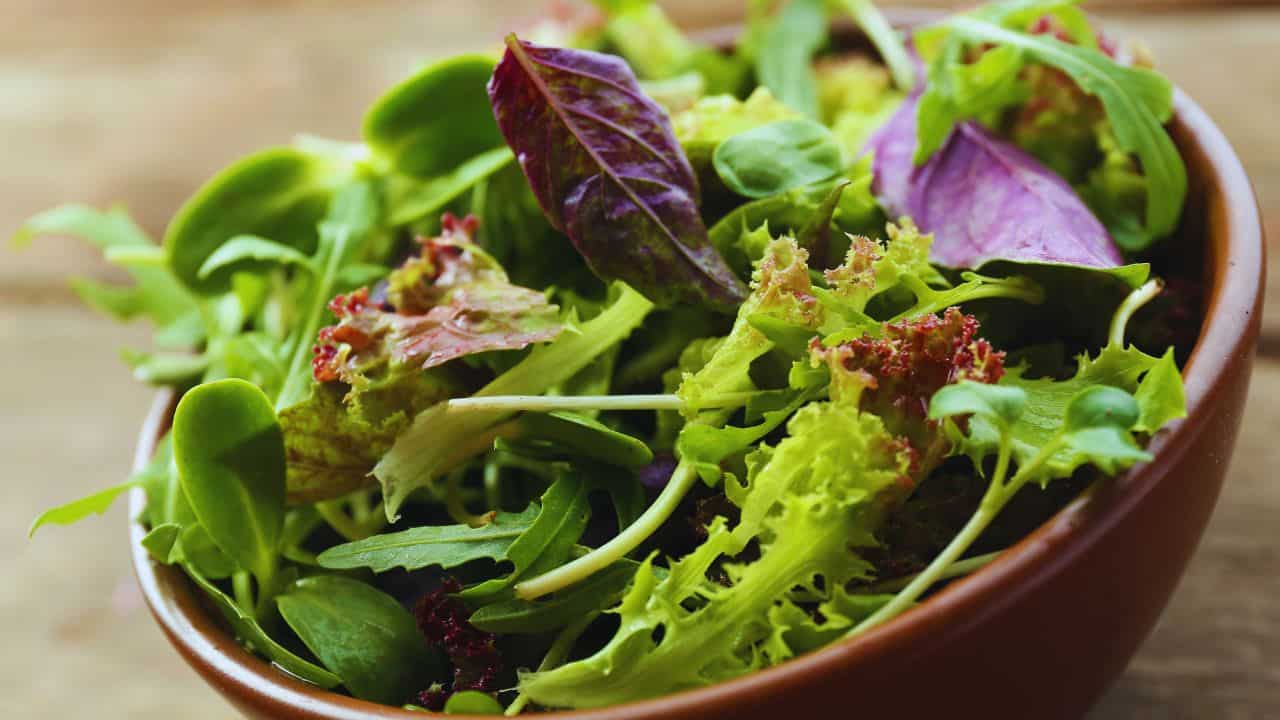
Nothing’s more disappointing than opening your fridge, excited to make a fresh salad, only to find your greens have turned into a soggy, sad mess. While it might seem like refrigerating your greens is enough to keep them crisp, there are simple tricks that can help keep them fresher for longer. Let’s dive into these seven easy tips to prevent soggy salad greens and enjoy crunchier, tastier salads all week long.
1. Choose the Freshest Greens from the Start

The journey to crisp, long-lasting salad greens starts at the grocery store. Always pick the freshest bunches of greens you can find, and avoid any leaves that look wilted or have slimy spots. You want leaves that look perky, vibrant, and healthy.
If possible, opt for whole heads of lettuce, like romaine or iceberg, instead of pre-cut, bagged greens. Whole heads tend to stay fresher longer since they’re less exposed to air. Plus, they offer that satisfying crunch that bagged salads sometimes lack. Once you’ve selected your greens, bag them separately from items like raw meats to avoid contamination.
2. Don’t Wash Greens Until You’re Ready to Eat

It’s tempting to wash all your greens right after coming home from the store to save time later, but that extra moisture can cause them to spoil faster. Wait until just before you plan to use the greens to wash them. Moisture is the enemy here, as it clings to the leaves and speeds up decay.
When it’s time to prepare your salad, give your greens a quick rinse under cold water and dry them thoroughly. A salad spinner works great for this, but you can also pat them down with a clean towel or paper towels. Drying them well ensures they stay crisp instead of soggy.
3. The Paper Towel Trick: Your New Best Friend

Here’s the ultimate hack: store your greens with a paper towel. This simple trick helps absorb excess moisture, which is the main culprit in turning your greens limp. For loose leaves, place a dry paper towel inside an airtight container with your greens, or wrap whole heads of lettuce in a paper towel before storing them in a plastic bag.
This method works wonders because it balances the moisture levels. The paper towel absorbs any extra dampness while still allowing your greens to stay fresh and hydrated. It’s like giving your greens a cozy little blanket, keeping them crisp for days!
4. Keep Cut and Whole Greens Separate

Once you cut your greens, they release ethylene gas, which speeds up spoilage. So, if you want your salad greens to last, keep the whole leaves and cut leaves apart. Use cut greens first since they spoil faster, and save the whole leaves for when you need them later in the week.
If you do chop your greens ahead of time, store them in an airtight container with – you guessed it – a paper towel to soak up the moisture. This simple step can add an extra day or two to their shelf life, giving you more time to enjoy those crunchy leaves.
5. Customize Storage Based on Green Type

Different greens have different storage needs. For delicate greens like spinach or arugula, it’s best to layer them with paper towels in a shallow, airtight container. These leaves are fragile and need some air circulation to stay fresh. For heartier greens, like kale or collard greens, wrapping them in paper towels and placing them in a breathable bag works better.
Tailoring your storage method based on the type of green you’re working with helps you maximize their freshness. A little effort in organizing your greens properly goes a long way.
6. Use Greens Within 7-10 Days

Even with the best storage techniques, salad greens have a limited shelf life. Typically, you’ll want to consume them within 7-10 days. Hearty greens like kale and Swiss chard can last a little longer, but delicate greens like arugula and spinach should be eaten within a week for the best flavor and texture.
Planning your meals ahead can help you avoid wasting greens. Think about how you’ll use them throughout the week—whether in salads, sandwiches, or even smoothies – and only buy what you need. This way, you won’t find yourself tossing slimy spinach in the trash.
7. Rescue Wilting Greens with an Ice Bath

If your greens are starting to look a little sad and wilted, don’t throw them away just yet! You might be able to revive them with a quick ice bath. Soak the greens in a bowl of ice-cold water for 10-15 minutes to perk them up.
This works because the cold water helps tighten the leaves and rehydrate them. It’s not a miracle cure, but it can bring some life back to slightly wilting greens. After the ice bath, dry them thoroughly before using, and enjoy a crisp, refreshing salad!
8. Mix and Match Greens for Longer Freshness

Another helpful tip for keeping your salads fresh is to mix different types of greens. Combining sturdier greens like kale or romaine with more delicate ones like arugula or spinach can create a balanced salad that stays crisp for longer. The heartier greens provide structure and support, while the delicate greens add texture and flavor.
This way, even if the softer greens start to wilt a bit, your salad will still have that satisfying crunch from the more durable varieties. Plus, mixing greens adds variety to your salads, making them more interesting and enjoyable!
A Little Extra Attention Goes a Long Way

Beyond these handy tricks, one of the simplest ways to ensure your salad greens stay fresh is by being mindful of how you handle and store them. Don’t cram them into tight containers where they can get crushed, and always check on them regularly in the fridge. If you see a paper towel getting damp, swap it out for a fresh one.
The small details matter when it comes to extending the life of your greens. A little extra care can prevent you from dealing with soggy, spoiled leaves, and keep your salads fresh and crunchy for days on end!
The Most Effective Method For You

What do you think? Do you have a favorite type of salad green that you think stays fresher longer than others? What’s the most effective method you’ve found for keeping your greens crisp in the fridge? Have you ever tried mixing different types of greens to improve both flavor and freshness? Do you think organic greens stay fresher than non-organic ones, or is it all about storage techniques?