

12. Think Big — Not Small
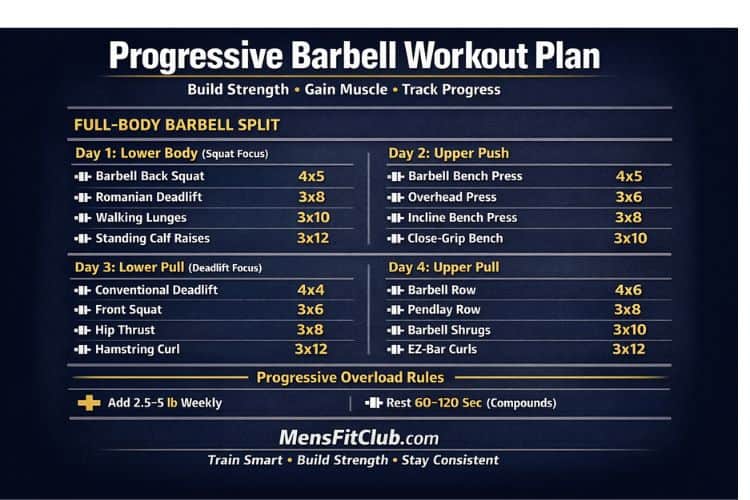
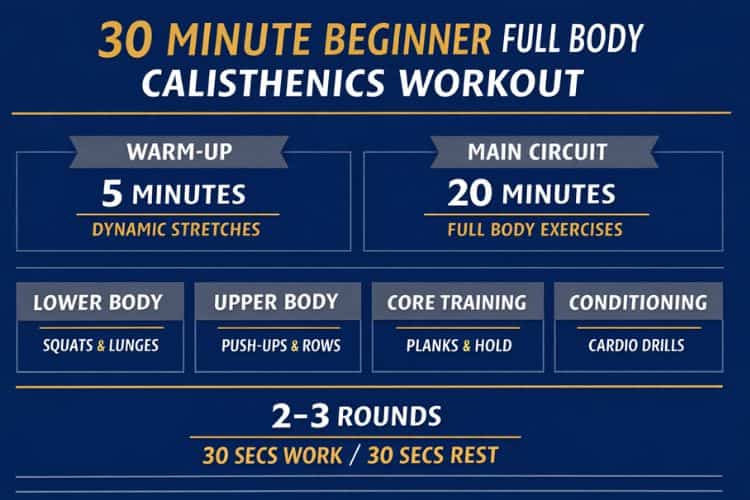
“Focus on the weight loss ‘big rocks’ — there are a few areas that will give you the most bang for your buck when you’re trying to lose weight. Prioritizing those and letting go of all the minutiae that contribute to overwhelm will make reaching your goals feel easier and more sustainable. On the nutrition front, pay attention to calories, protein, and fiber. For exercise, prioritize strength training, daily steps, and recovery.”
— Avant
13. Look Beyond the Scale
“While the scale isn’t useless, it also isn’t the only thing that matters. To help you gauge progress that might not be reflected on the scale, take regular photos and measurements, in addition to keeping a running list of non-scale victories. This will help keep the scale in perspective and show you all the positive changes you’re making to your health and overall lifestyle.”
— Avant
14. Give Your Breakfast a Protein Boost
“Aim for 15 to 25 grams of protein at breakfast. Protein is digested slowly and suppresses hunger hormones, helping keep you full. Additionally, a high-protein breakfast helps curb cravings later in the day. Pair protein-rich foods with fiber and healthy fats, like two eggs with whole-wheat toast and avocado or high-protein frozen waffles with nuts, berries, and a little maple syrup.”
— Younkin
15. Incorporate Protein Into Every Meal
“Eating protein-rich foods at every meal, especially breakfast, can help shave extra pounds. Protein slows down the digestive process and positively impacts your hunger hormones. Protein can also do better at staving off hunger than carbohydrates. Protein-rich foods include quinoa, edamame, beans, seeds, nuts, eggs, yogurt, cheese, tofu, lentil pasta, poultry, fish, and meat.”
— Christine M. Palumbo, RDN, a nutrition consultant from Naperville, Illinois
16. Try to Eat Mainly Whole, Minimally Processed Foods
— Palumbo
17. Experiment With Fruits at Dessert Time
— Sue-Ellen Anderson Haynes, RDN, CDCES, a certified personal trainer and national media spokesperson of the Academy of Nutrition and Dietetics who is based in Boston
18. Eat a Large Breakfast and a Small Dinner
— Anderson Haynes
19. Get Into Meal Planning
“Meal planning is one of my top tips for staying healthy and eating well. I’m such a fan of the concept that I wrote a book about it! Taking 5 to 10 minutes over the weekend to write out a menu for the week ahead will save you time, money, and unwanted calories down the road. Not sure what to make for dinner tonight? No worries, it’s already on your menu plan. Menu planning is a great way to stay organized, and know what groceries you need to buy and what you already have on hand, and it will help ensure a balanced plate. Keep in mind, a night off from cooking and ordering takeout or making a frozen meal is a totally acceptable part of the menu plan. And be sure to write down the plan — you’re more likely to stick to it if it’s in front of you as a reminder.”
— Jessica Levinson, RDN, author of 52-Week Meal Planner: The Complete Guide to Planning Menus, Groceries, Recipes, and More
20. Make a Grocery List and Stick to It
— Levinson
21. Take Stock of What’s in Your Kitchen
“To cook healthy meals, you need the right ingredients and kitchen tools on hand. Some staple ingredients I recommend having in your pantry, fridge, and freezer are low-sodium canned beans, canned fish, tomato sauce, whole-grain pasta, quinoa, brown rice, low-sodium stock, low-fat plain yogurt, a variety of fresh and frozen fruit and vegetables, olive oil, and dried herbs and spices. These are just some of the ingredients that can form the base of a healthy and delicious meal.”
— Levinson
22. Have the Right Tools on Hand
“Similarly, having a good mix of kitchen tools can help ensure easy, efficient, and healthy cooking. For example, a seasoned cast-iron skillet is one of my favorite pans to cook eggs, sauté vegetables, and make pancakes, since I don’t have to use as much oil or butter to keep food from sticking. Some of my other favorite kitchen tools are an immersion blender, Instant Pot, baking sheets, measuring cups and spoons, and a hand juicer. And of course anyone working in the kitchen should have a quality set of knives.”
— Levinson
23. Read Food Labels
“Getting into the habit of flipping your packages over can save you time, money, and even calories. Food labels give you a clear picture of what you’re really getting, and if you want to lose weight healthfully, it’s not just about how many calories you’re getting — it’s also about what kind of calories you’re getting. To make sure that your meals are valuable, be sure that you’re getting a balance of nutrients without overdoing sodium, sugar, and saturated fat.”
— Bonnie Taub-Dix, RDN, CND, author of Read It Before You Eat It — Taking You From Label to Table
24. Choose Super Snacks
“It’s best to look at your snacks as mini meals. We are snacking more than ever, so it’s best to choose snacks with benefits, like almond butter and a sliced apple or Greek yogurt topped with fruit and a high fiber cereal. It’s not easy to get everything you need in a day, so nutritionally rich snacks can help fill that gap while also making you feel more full and satisfied.”
— Taub-Dix