



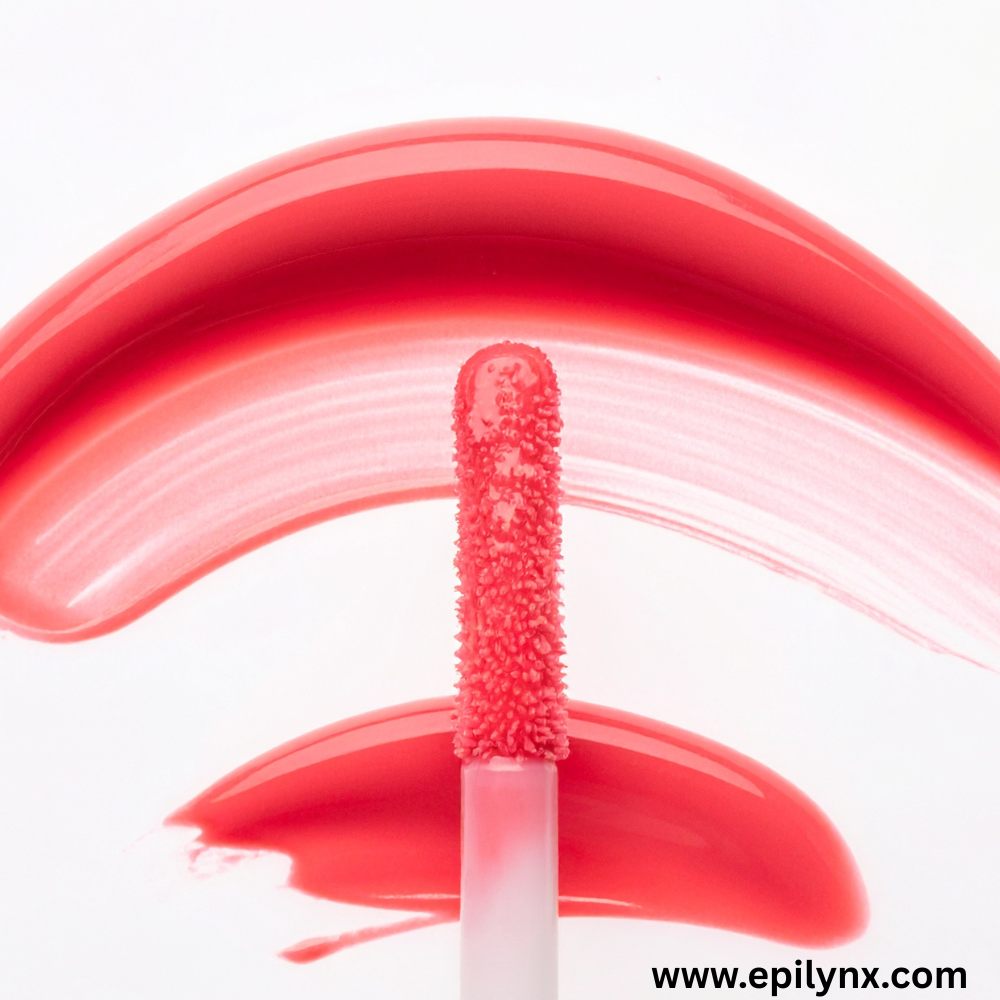
Lipstick Has Always Been a Little… Unhinged
Lipstick might be glamorous today, but its past?
Oh, it’s completely unserious.
Ancient royalty, witches, warriors, rebels, suffragettes, Hollywood starlets — everyone has used lip color, but the ingredients were often… alarming.
Before modern beauty science, people put literally anything on their lips:
📌 crushed beetles
📌 toxic metals
📌 animal fat
📌 clay
📌 berries
📌 red algae
📌 poisonous minerals
📌 and occasionally… substances we shall not name before breakfast
Let’s take a time-traveling tour through lipstick history — and discover the bizarre, chaotic, sometimes dangerous origins of the product we swipe on casually today.
🔥👄 1. Ancient Mesopotamia: The Original Lip Queens (Using Crushed Gems!)
Around 5,000 years ago, Sumerian women and royalty crushed precious stones — yes, actual gemstones — into a powder and mixed them with oils.
✔ glamorous
✔ sparkly
✘ extremely abrasive
✘ could cut your lips
Imagine exfoliating and coloring your lips at the same time.
Efficient… but painful.
🪲❤️ 2. Cleopatra’s Iconic Red Was Made From… Beetles
Cleopatra, queen of glam, believed bold lips were a power move.
Her signature red was made from:
-
cochineal beetles (for pigment)
-
fish scales (for shimmer)
-
beeswax (for texture)
This formula was luxurious by ancient standards.
📌 Fun fact:
Cochineal is STILL used today as “carmine,” a natural red dye.
Sensitive lips? You might react to it.
☠️💄 3. Ancient Greeks Used Toxic Lead Pigments
Greek women loved a deep berry lip, often made from:
-
red iron oxide
-
seaweed
-
LEAD pigment
Lead.
On the lips.
Every day.
Let’s just say dermatologists would not approve.
🖤⚠️ **4. Medieval Europe: Lipstick Was “Sinful”…
But Also Contained Mercury**
Lipstick was banned for witchcraft associations.
But those who still secretly used it relied on:
-
cinnabar (mercury sulfide)
-
plant dyes
-
beeswax
Mercury causes neurological damage — meaning beauty came at a high price.
👄🩸 5. The 1500s: Queen Elizabeth I Made Pale Faces + Bright Lips Trendy
Her chalk-white face + deep red lips combo was iconic…
but achieved with:
-
white lead paste
-
red dyes
-
toxic vermilion
People literally poisoned themselves trying to look regal.
🎭🌹 6. The 1700s: Lipstick = Rebellion
In France, both men and women wore intense red lips.
It symbolized wealth, power, and social status.
In Britain, it was scandalous.
Women wearing lipstick were accused of:
-
witchcraft
-
seduction
-
“deceiving men into marriage”
(Imagine blaming your wedding on lipstick.)
💋💀 7. The 1800s: Lipsticks Still Contained… You Guessed It — More Lead
Even after the dangers were known, lead-based pigments stayed popular because they looked vibrant.
Some lipsticks also used:
-
vermilion (mercury)
-
coal tar dyes (carcinogenic)
Beauty, but make it hazardous.
💄✨ 8. The 1900s: Lipstick Becomes Mainstream — and Still Weird
In the early 20th century, lipstick ingredients included:
-
ground insects
-
animal fats
-
castor oil
-
petroleum
-
early synthetic dyes
-
fragrance (irritant)
-
lanolin (common allergen)
But the biggest twist?
Lipstick tubes were invented in 1915, finally making lip color portable.
Before that, women carried pots of pigment like traveling artists.
🎬❤️ 9. Hollywood Made Red Lips Iconic — But Also Full of Chemicals
Screen sirens like Marilyn Monroe + Rita Hayworth created the red-lip era.
The formulas?
-
coal tar
-
carmine
-
mineral oils
-
unregulated dyes
-
fragrance oils
Stunning on screen, questionable for the skin barrier.
🍷🥜 10. Modern Lipstick: Safer… But Still Not Perfect
Today we have strict pigment standards, safer waxes, and stable formulas.
But many lipsticks STILL contain:
-
nut oils (major allergens)
-
gluten contaminants
-
fragrances
-
menthol
-
lanolin
-
carmine
-
petroleum derivatives
-
alcohols
-
essential oils
Beautiful colors are now safer —
but sensitive lips? Still at risk.
🧪🌱 11. The Rise of Allergen-Safe Lipstick (Finally.)
Thanks to:
✔ rising allergies
✔ celiac awareness
✔ sensitive skin epidemics
✔ cosmetic science evolution
We now have lipsticks that are:
-
nut-free
-
gluten-free
-
fragrance-free
-
vegan
-
sensitive-skin-safe
The future of lipstick is not only beautiful —
it’s inclusive.
⭐ **Final Thought: Lipstick Has Always Been Power —
But Now It Can Also Be Safe**
From crushed gems to beetle dye to mercury to lead…
lipstick’s history is chaotic, dangerous, and iconic.
But today, we get the best of both worlds:
beauty + safety.
The modern lip revolution isn’t about color —
it’s about comfort.
It’s about knowing what’s on your lips won’t hurt you.
It’s about allergen-free beauty that empowers EVERYBODY.
🌿 The EpiLynx Promise:
Every lip product we make is part of the next chapter in lipstick history:
✨ Nut-Free
🌾 Gluten-Free
💚 Allergen-Safe
🌱 Vegan
🐰 Cruelty-Free
🧴 Made for Sensitive Skin
Bold color — without the ancient toxins.